Buena Vista Social Club Members: Where Are They Now (2025)
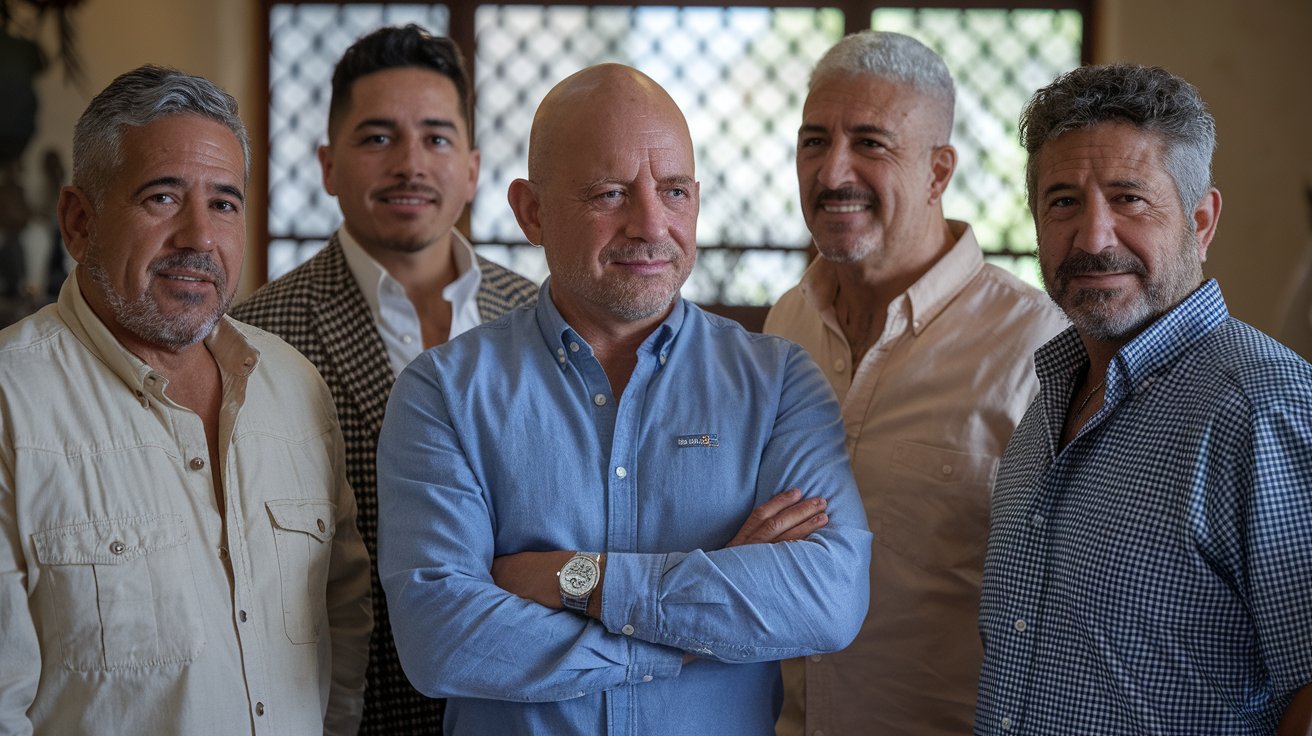
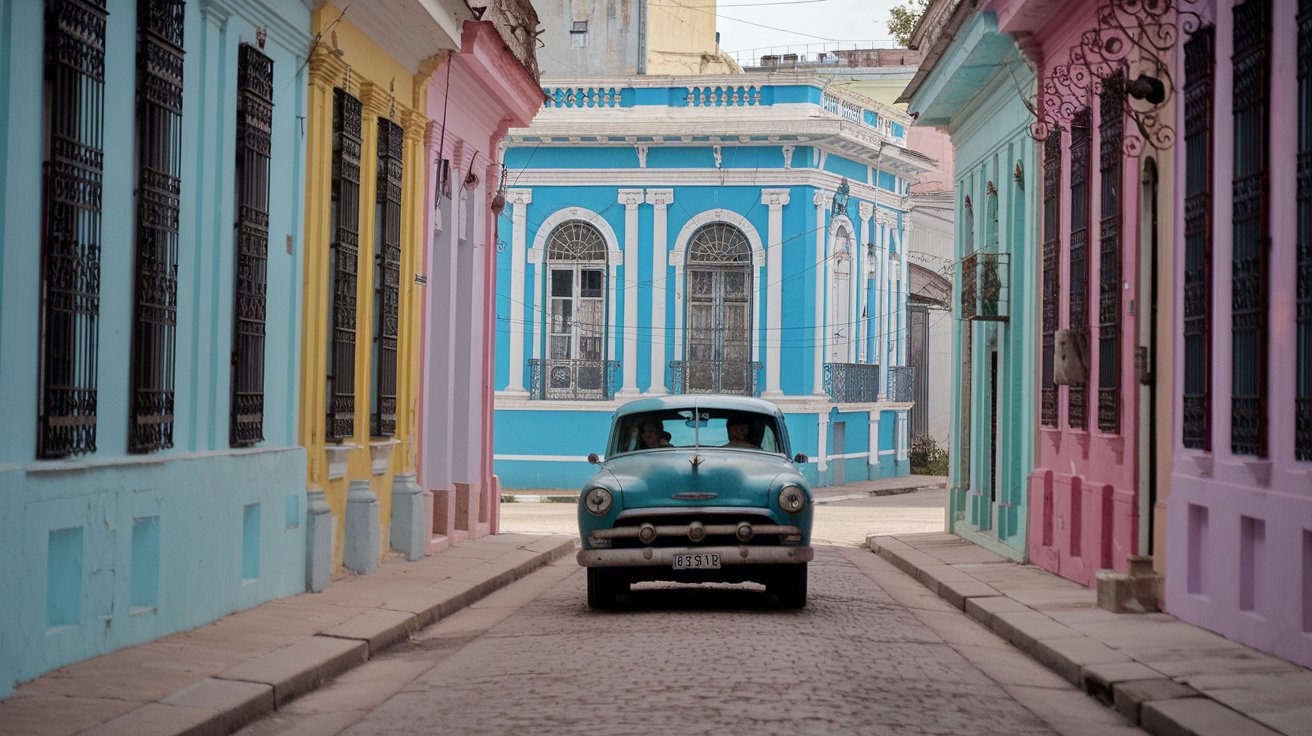
The members of Buena Vista Social Club transformed Cuban music forever when Ry Cooder assembled legendary musicians in Havana’s EGREM studios in 1996. This iconic ensemble featured aging Cuban masters who had been largely forgotten, bringing their traditional son, bolero, and mambo styles to global audiences. Today, most original members have passed away, but their musical legacy continues through recordings, documentaries, and tribute performances across the United States and worldwide. Original Members of Buena Vista Social Club and Their Stories The original members of Buena Vista Social Club represented multiple generations of Cuban musical excellence, ranging from their 70s to 90s when the album was recorded. These musicians had performed during Cuba’s golden age of music in the 1940s and 1950s, before political changes and the U.S. embargo largely isolated Cuban culture from international audiences. Producer Ry Cooder and World Circuit Records brought together these veterans for what became one of the most successful world music albums ever released. The core group included vocalists, guitarists, pianists, and traditional percussion players who had mastered the intricate rhythms of Cuban son and bolero. Each member brought decades of experience performing in Havana’s legendary venues, from the Tropicana to smaller neighborhood clubs. Their collaboration created an authentic sound that captured the essence of pre-revolutionary Cuban music while introducing it to contemporary global audiences. Ibrahim Ferrer: The Golden Voice of Cuban Son Ibrahim Ferrer became the most internationally recognized face of Buena Vista Social Club, despite being discovered working as a shoe shiner when Ry Cooder found him. Born in 1927, Ferrer had been a prominent vocalist in 1950s Havana before fading into obscurity. His soulful interpretation of classics like ‘Dos Gardenias’ and collaboration on ‘Chan Chan’ made him a global sensation. Ferrer passed away in 2005 at age 78, but his solo albums and performances remain benchmark recordings of traditional Cuban vocal style. Compay Segundo: Master of the Armónico and Cuban Composition Compay Segundo, born Francisco Repilado in 1907, was the eldest member and creator of the seven-stringed armónico guitar. His composition ‘Chan Chan’ became the album’s signature song and one of the most recognizable Cuban melodies worldwide. Segundo continued performing well into his 90s, touring internationally and recording additional albums. He died in 2003 at age 95, leaving behind a catalog of over 100 compositions that define modern Cuban son music. Living Members and Current Status in 2025 As of 2025, very few Buena Vista Social Club members are alive, reflecting the advanced age of the original performers when the project began nearly 30 years ago. The surviving members continue to be celebrated through tribute concerts, documentary screenings, and ongoing royalty distributions from the album’s continued success. Their families and estates work with Cuban cultural institutions to preserve their musical legacies and ensure proper recognition of their contributions. The question ‘are any members of the Buena Vista Social Club alive‘ remains frequently searched as fans worldwide continue discovering this music. While most original members have passed away, their influence extends through students, family members, and contemporary Cuban musicians who carry forward their traditional playing styles and compositional approaches. Barbarito Torres and Surviving Contributors Barbarito Torres, the electric violin virtuoso who contributed to several tracks, represents one of the few surviving contributors from the original sessions. His fusion of classical technique with Cuban rhythms created unique arrangements that distinguished several album tracks. Torres continues performing and recording in Cuba, maintaining connections to the Buena Vista legacy while developing contemporary projects that blend traditional and modern influences. Estate Management and Legacy Preservation The estates of deceased Buena Vista Social Club members work actively to preserve their musical heritage through reissues, previously unreleased recordings, and biographical documentaries. Organizations like the Cuban Institute of Music and international record labels collaborate to ensure proper copyright management and cultural preservation. These efforts include digitizing master recordings, documenting performance techniques, and supporting educational programs that teach traditional Cuban musical styles to new generations. Key Female Voices in Buena Vista Social Club While male voices dominated the original Buena Vista Social Club album, several important female singers contributed to the broader project and subsequent recordings. These women brought essential perspectives to Cuban musical traditions, particularly in bolero and feeling genres that emphasize emotional expression and sophisticated harmonic arrangements. Their contributions often featured in live performances and later album releases that expanded the original concept. The question ‘who is the female singer in Buena Vista Social Club‘ typically refers to performers who joined touring versions or appeared in related projects. These artists maintained the traditional Cuban vocal styles while adding contemporary interpretations that helped bridge generational gaps in audiences worldwide. Omara Portuondo: The Queen of Cuban Feeling Omara Portuondo, though not on the original 1997 album, became closely associated with Buena Vista Social Club through live performances and related recordings. Born in 1930, Portuondo represented the sophisticated Havana club scene of the 1950s and brought decades of professional experience to collaborations with Buena Vista members. Her interpretations of boleros and feeling standards demonstrated the depth of Cuban female vocal traditions and their continuing relevance. Contemporary Female Interpreters Modern Cuban and international female vocalists continue interpreting Buena Vista Social Club repertoire, bringing fresh perspectives to classic compositions. These performers study the original recordings while adding personal stylistic elements that reflect contemporary musical influences. Their work ensures that the female voice in Cuban traditional music receives proper recognition and continues evolving for new audiences worldwide. Broadway Musical and Stage Adaptations The Buena Vista Social Club Broadway musical represents the latest evolution of this musical legacy, bringing Cuban traditions to American theatrical audiences. Developed with input from surviving members’ estates and Cuban cultural authorities, the production features authentic instruments, traditional costumes, and choreography that reflects Havana’s golden age musical culture. The Broadway adaptation includes both original Buena Vista compositions and additional Cuban standards that provide historical context. Who is in Buena Vista Social Club Broadway includes carefully selected performers trained in Cuban musical traditions, working with Cuban consultants to ensure authenticity. The production … Leer más

Sierra Maestra Mountain Range: Located in Cuba – Complete Guide

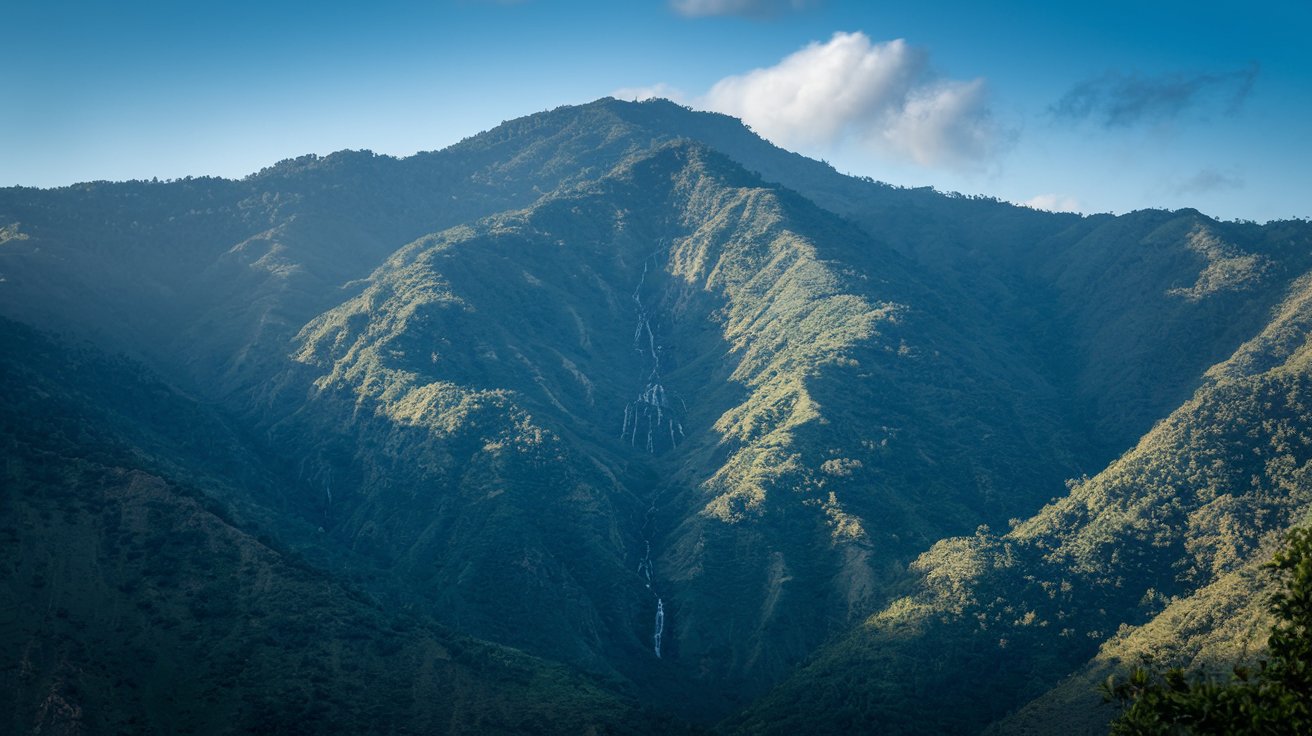
The Sierra Maestra mountain range is located in Cuba, specifically in the southeastern provinces of Santiago de Cuba and Granma. This iconic mountain system spans approximately 250 kilometers along Cuba’s southern coast and includes Pico Turquino, the nation’s highest peak at 1,974 meters above sea level. Geographic Location and Boundaries of Sierra Maestra The Sierra Maestra mountains are situated in southeastern Cuba, forming a natural barrier between the Caribbean Sea and the inland valleys. This mountain range extends from Cape Cruz in the west to the Guantánamo Bay area in the east, covering parts of Santiago de Cuba, Granma, and Holguín provinces. The mountains rise dramatically from sea level to over 1,900 meters, creating one of the most spectacular landscapes in the Caribbean region. Unlike the Sierra Madre ranges found in Mexico and other Central American countries, Cuba’s Sierra Maestra represents the island’s primary mountain system. The range forms part of the Greater Antilles mountain chain and serves as the backbone of Cuba’s southeastern region, influencing local climate patterns and supporting unique ecosystems found nowhere else in the Caribbean. Provincial Distribution and Administrative Boundaries The Sierra Maestra spans three Cuban provinces, with the majority located in Santiago de Cuba and Granma provinces. The western section lies within Granma Province, home to the Desembarco del Granma National Park, while the central and eastern portions extend through Santiago de Cuba Province. This geographic distribution makes the mountain range accessible from multiple major Cuban cities, including Santiago de Cuba, Bayamo, and Manzanillo. Highest Peaks and Elevation Profile Pico Turquino, standing at 1,974 meters, represents the highest point not only in the Sierra Maestra but in all of Cuba. Other significant peaks include Pico Cuba at 1,872 meters and Pico Suecia at 1,734 meters. These elevations create diverse microclimates within the mountain range, supporting everything from tropical forests at lower elevations to cloud forests near the summits, making this country’s mountain system exceptionally biodiverse. Historical Significance of Sierra Maestra in Cuban History The Sierra Maestra holds immense historical importance as the primary stronghold of the Cuban Revolution from 1956 to 1959. Fidel Castro and his revolutionary forces established their headquarters in these mountains, using the rugged terrain as a natural fortress against Batista’s army. The dense forests and steep valleys provided perfect cover for guerrilla warfare tactics that ultimately led to the revolution’s success. Today, visitors can explore numerous historical sites throughout the mountain range, including La Comandancia de la Plata, Castro’s former headquarters hidden deep in the Sierra Maestra. This site, now a national monument, preserves the original buildings and artifacts from the revolutionary period, offering insight into this pivotal chapter of Cuban history that shaped the country’s future for decades to come. Revolutionary War Sites and Monuments The Sierra Maestra contains over 20 documented revolutionary sites, including combat zones, camps, and supply routes used during the Cuban Revolution. La Comandancia de la Plata remains the most significant, featuring Castro’s personal quarters, radio station, and meeting areas. Other important locations include Alto del Naranjo and the battlefields near Pico Turquino, where decisive encounters between revolutionary and government forces took place in this historic mountain range. Impact on Cuban National Identity The Sierra Maestra mountains have become synonymous with Cuban independence and resistance, deeply embedded in the nation’s cultural identity. The phrase Sierra Maestra itself evokes images of struggle, determination, and ultimate victory in Cuban consciousness. This mountain range appears on Cuban currency, postage stamps, and countless works of art, cementing its status as a symbol of the country’s revolutionary spirit and national pride. Unique Wildlife and Ecosystems of Sierra Maestra The Sierra Maestra supports Cuba’s most diverse ecosystems, hosting over 800 plant species, including 34 found nowhere else on Earth. The mountain range serves as a refuge for endemic species such as the Cuban solenodon, Cuban hutia, and numerous bird species including the Cuban trogon and bee hummingbird. The varied elevations create distinct ecological zones, from coastal mangroves to montane cloud forests. Recent 2024 biodiversity surveys have identified new species of orchids and butterflies within the Sierra Maestra, highlighting the ongoing scientific importance of this mountain range. Conservation efforts in the region focus on protecting these unique habitats while allowing sustainable tourism that benefits local communities in this remarkable country that hosts such extraordinary biodiversity. Endemic Flora and Rare Plant Species The Sierra Maestra houses Cuba’s largest concentration of endemic plants, with species like the Cuban pine, mountain palm, and various endemic orchids thriving in the range’s unique microclimates. The cloud forests above 1,000 meters elevation support rare ferns and bromeliads found nowhere else in the Caribbean. These diverse plant communities have adapted to the specific conditions of this mountain range, creating ecosystems that researchers consider among the most important in the region. Protected Fauna and Bird Watching Opportunities Bird enthusiasts visit the Sierra Maestra to observe over 100 bird species, including 18 endemic to Cuba. The Cuban trogon, national bird of the country, thrives in these mountains alongside the world’s smallest bird, the bee hummingbird. Mammalian species include the endangered Cuban solenodon and various bat species that play crucial roles in the mountain range’s ecosystem balance and pollination cycles. Climate and Weather Patterns in Sierra Maestra The Sierra Maestra experiences a tropical highland climate with significant variation based on elevation and exposure. Lower elevations maintain temperatures between 24-28°C year-round, while peaks above 1,500 meters can experience temperatures as low as 5°C during winter months. The mountain range receives between 1,500-3,000mm of annual rainfall, with the wettest period from May through October. Microclimate variations within the Sierra Maestra create distinct weather patterns that influence both wildlife distribution and agricultural practices. The windward slopes receive more precipitation than leeward areas, supporting different vegetation types across the mountain range. These climate patterns make this region of Cuba ideal for coffee cultivation and contribute to the area’s reputation as one of the country’s most agriculturally productive highland regions. Tourism and Activities in Sierra Maestra Mountains Tourism in the Sierra Maestra focuses on ecotourism, historical tours, … Leer más

Grand Aston Varadero Beach Resort: Complete 2025 Guide

The Grand Aston Varadero Beach Resort stands as one of Cuba’s premier beachfront destinations, offering luxury accommodations along the pristine shores of Varadero Beach. This comprehensive guide provides everything US travelers need to know about this exceptional resort, from its stunning oceanfront location to its extensive all-inclusive amenities and world-class facilities that make it a top choice for Caribbean vacations. Resort Overview and Location Details The Grand Aston Varadero Beach Resort opened its doors in 2019 as a flagship property in Cuba’s most famous beach destination. Located on the Hicacos Peninsula, this luxury resort spans across 15 acres of pristine beachfront property, offering guests direct access to over 500 meters of white sand beach. The resort’s strategic location places it approximately 140 kilometers east of Havana, making it easily accessible for international travelers arriving at Juan Gualberto Gómez Airport, which is just 25 kilometers away. The resort’s architectural design reflects contemporary Caribbean elegance while incorporating traditional Cuban elements. With 423 rooms and suites distributed across multiple buildings, the property maintains an intimate atmosphere despite its substantial size. The Grand Aston Varadero caters primarily to adults, though families with children are welcomed in designated areas, creating distinct zones for different guest preferences throughout the expansive grounds. Accommodation Options and Room Types The Grand Aston Varadero Beach Resort offers diverse accommodation categories designed to meet varying guest preferences and budgets. Each room features modern amenities including air conditioning, flat-screen televisions, mini-fridges, and complimentary Wi-Fi access. The resort’s room inventory includes several distinct categories, each offering unique advantages and luxury features that enhance the overall guest experience. Deluxe Room Categories The standard Deluxe Rooms at Grand Aston Varadero serve as the entry-level accommodation option, featuring 32 square meters of comfortable living space. These rooms accommodate up to three guests and include a private balcony or terrace, marble bathroom with rainfall shower, and contemporary furnishings. The Deluxe Room No Single Supplement option provides solo travelers with cost-effective luxury without additional fees, making it an attractive choice for individual guests seeking premium accommodations. Ocean View and Club Room Options The Deluxe Ocean View rooms elevate the experience with direct views of the Caribbean Sea and enhanced amenities including premium bedding, upgraded bathroom amenities, and priority restaurant reservations. Club Room Ocean View accommodations represent the resort’s highest tier, offering exclusive access to the Club Lounge, personalized concierge services, and premium liquors. These rooms feature expanded living areas, upgraded furnishings, and enhanced privacy for discerning guests seeking the ultimate luxury experience. All-Inclusive Dining and Restaurant Options The Grand Aston Varadero all inclusive package encompasses eight distinctive dining venues, each offering unique culinary experiences that showcase international and local Cuban flavors. The resort’s dining program operates under the guidance of experienced chefs who create diverse menus featuring fresh seafood, premium cuts of meat, and locally sourced ingredients. Guests enjoy unlimited access to all restaurants without reservation requirements for most venues, though specialty restaurants may require advance booking during peak seasons. The main buffet restaurant serves international cuisine throughout the day, featuring live cooking stations and themed dinner nights. Specialty restaurants include an Italian trattoria, Asian fusion venue, steakhouse, and beachfront grill. The Grand Aston Varadero restaurants menu changes seasonally to incorporate fresh ingredients and maintain variety for extended-stay guests, with vegetarian and dietary restriction options available at all dining locations. Beach Experience and Water Activities The beach at Grand Aston Varadero consistently ranks among Cuba’s most beautiful stretches of coastline, featuring powdery white sand and crystal-clear turquoise waters. The resort maintains its beachfront meticulously, providing complimentary beach chairs, umbrellas, and towel service throughout the day. Beach attendants ensure cleanliness and assist guests with equipment rentals and activity bookings, creating a seamless beach experience for all visitors. Water sports enthusiasts enjoy complimentary access to kayaks, paddle boards, snorkeling equipment, and sailing boats. The resort’s water sports center operates daily from 9 AM to 5 PM, offering equipment rentals and guided excursions. Scuba diving certification courses and deep-sea fishing expeditions can be arranged through the activities desk, though these premium services incur additional charges. The protected cove location ensures calm waters suitable for swimming year-round, making it ideal for guests of all swimming abilities. Entertainment and Resort Activities Daily entertainment programming at Grand Aston Varadero includes live music performances, dance classes, cooking demonstrations, and themed parties. The resort’s entertainment team organizes activities from morning aerobics and beach volleyball to evening shows featuring traditional Cuban music and dance. The main theater hosts nightly performances including live bands, cultural shows, and guest performer nights that showcase local talent and international acts. Recreational facilities include three swimming pools, including an adults-only rooftop pool with panoramic ocean views, a main pool with swim-up bar, and a quieter pool area for relaxation. The fitness center operates 24 hours with modern equipment and offers complimentary group fitness classes. The spa provides full-service treatments including massages, facials, and body treatments, though spa services require advance reservations and incur additional charges beyond the all-inclusive package. Transportation and Airport Access The distance from Grand Aston Varadero Beach Resort to the airport is approximately 25 kilometers, requiring a 30-minute drive via modern highway connections. Most guests arrange transportation through resort transfer services, private taxis, or rental car agencies available at Juan Gualberto Gómez Airport. The resort’s concierge desk assists with transportation arrangements and can coordinate shared shuttles or private transfers based on guest preferences and group sizes. For guests arriving from Havana, the journey takes approximately 2.5 hours by car or bus. The resort offers shuttle services to nearby attractions including Varadero town center, local shopping areas, and cultural sites. Car rental services are available on-site for guests preferring independent transportation, though advance reservations are recommended during peak travel seasons from December through April. Guest Reviews and Reputation Analysis Grand Aston Varadero Beach Resort reviews consistently highlight the property’s exceptional beachfront location, attentive service, and high-quality dining options. Guests frequently praise the resort’s cleanliness, friendly staff, and well-maintained facilities in reviews across multiple platforms. The property maintains an average … Leer más

What is Cuba’s Most Popular Sport? Baseball & Top 5 Sports

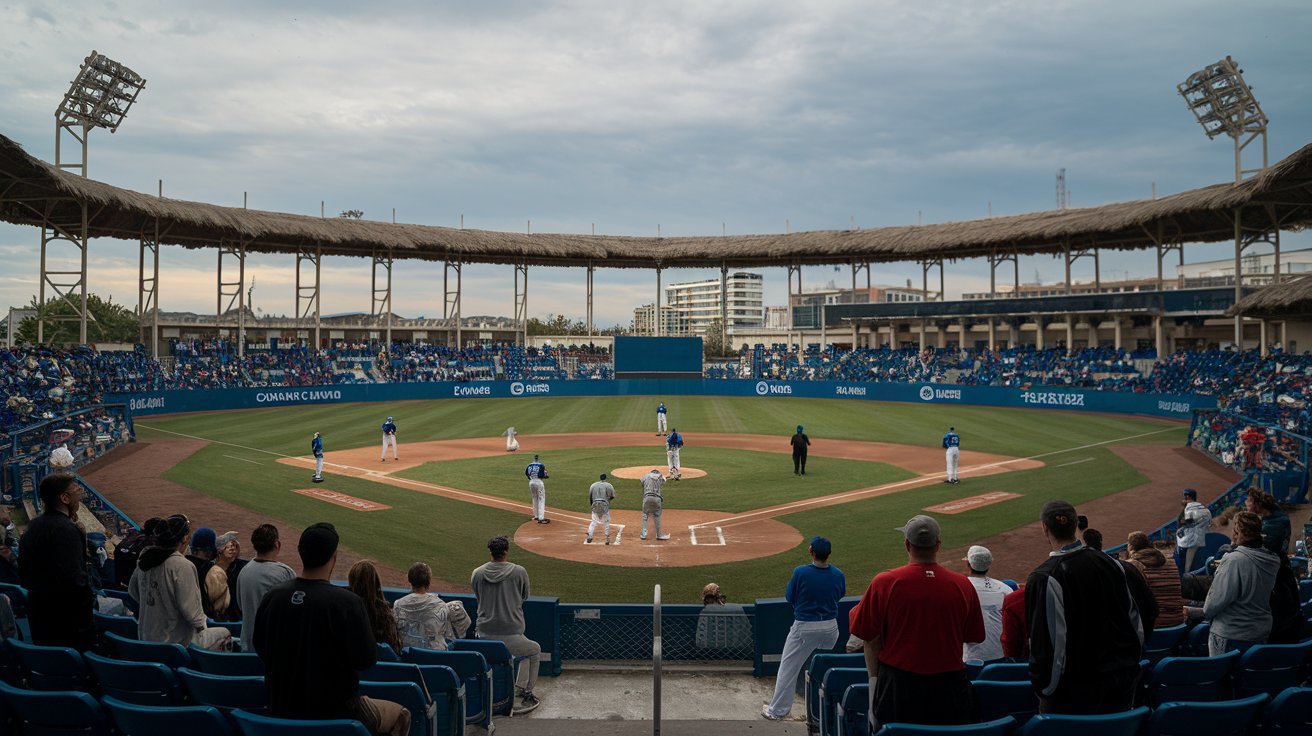
Baseball is the most popular sport in Cuba, deeply embedded in the island’s culture since the 1860s. While most Latin American countries favor soccer, Cubans have embraced baseball as their national pastime, producing world-class players and maintaining a rich sporting tradition that extends beyond baseball to include boxing, basketball, volleyball, and soccer. Baseball: Cuba’s National Obsession and Most Popular Sport Baseball dominates Cuban sports culture with an unmatched passion that spans generations. Introduced to the island in the 1860s by Cuban students returning from American universities, baseball quickly became more than just a game – it evolved into a symbol of Cuban identity and resistance. The sport’s popularity reached its zenith during the 20th century, when Cuba consistently produced some of the world’s finest baseball talent. The Cuban National Series, established in 1962, serves as the country’s premier baseball league, featuring 16 provincial teams competing annually. Cuban baseball’s influence extends globally, with Cuban players historically dominating international competitions including the Olympics, World Baseball Classic, and Caribbean Series. The sport’s integration into Cuban society is so complete that neighborhood games are common across the island, from Havana’s streets to Santiago’s rural communities. Why Baseball Became Cuba’s Top Sport Over Soccer While soccer dominates most Latin American countries, Cuba’s unique historical circumstances led to baseball’s supremacy. The sport arrived during Cuba’s colonial period and gained popularity as a form of cultural expression distinct from Spanish influences. Cuban revolutionaries used baseball as a way to assert independence from Spanish rule, making the sport a symbol of national identity. Additionally, Cuba’s proximity to the United States and historical ties facilitated baseball’s growth through equipment availability and cultural exchange. Famous Cuban Baseball Players Who Shaped the Sport Cuban baseball has produced legendary players who left indelible marks on the sport globally. Players like José Canseco, Rafael Palmeiro, and Tony Pérez achieved Hall of Fame careers in Major League Baseball. More recently, Yasiel Puig, José Abreu, and Yoenis Céspedes have continued Cuba’s baseball legacy in the modern era. These athletes demonstrate the exceptional talent development system that makes baseball Cuba’s most celebrated sport, inspiring countless young Cubans to pursue the game. Boxing: Cuba’s Second Most Popular Combat Sport Boxing ranks as Cuba’s second most popular sport, with an extraordinary Olympic legacy that spans decades. Cuban boxers have won over 80 Olympic medals, making the island a global powerhouse in amateur boxing. The Cuban boxing system emphasizes technical excellence and amateur competition, producing fighters known for their superior fundamentals and ring intelligence. The sport’s popularity stems from its accessibility and the government’s investment in boxing infrastructure. Every Cuban province has boxing gyms and training facilities, allowing talented athletes from all backgrounds to develop their skills. Notable Cuban boxing legends include Teófilo Stevenson, Félix Savón, and more recently, Guillermo Rigondeaux and Erislandy Lara, who have achieved professional success while maintaining Cuba’s boxing reputation on the world stage. Basketball’s Growing Popularity Among Cuban Youth Basketball has experienced significant growth in Cuba, particularly among younger generations in urban areas like Havana and Santiago. While not as dominant as baseball, basketball attracts Cuban athletes who appreciate the sport’s fast-paced nature and international appeal. The Cuban national basketball team has competed in FIBA competitions and regional tournaments, gradually improving their international standing. The sport’s popularity has been boosted by increased access to NBA games through television and digital media, inspiring young Cubans to pursue basketball as both recreation and competition. Street basketball courts have become common in Cuban neighborhoods, and the sport serves as an alternative for athletes who may not excel in baseball or boxing. Basketball’s accessibility requires minimal equipment compared to baseball, making it an attractive option for communities with limited resources. Volleyball and Soccer: Emerging Sports in Cuban Culture Volleyball maintains steady popularity in Cuba, particularly among women athletes who have achieved notable international success. The Cuban women’s volleyball team has won multiple Olympic medals and World Championships, establishing volleyball as a respected sport within Cuban athletics. The sport’s popularity extends to beach volleyball, taking advantage of Cuba’s extensive coastline and favorable climate. Soccer continues to grow despite historically being overshadowed by baseball and other sports. The Cuban national soccer team has shown improvement in recent years, and youth participation in soccer has increased significantly. While soccer may not rival baseball’s popularity, it represents an emerging trend among Cuban sports enthusiasts who follow international competitions like the FIFA World Cup and Copa América. INDER’s Role in Developing Cuban Sports Culture The National Institute of Sports, Physical Education and Recreation (INDER) has played a crucial role in shaping Cuba’s sports landscape since 1961. This government organization oversees all sports development, from grassroots programs to elite athlete training. INDER’s comprehensive approach ensures that sports like baseball, boxing, and basketball receive proper funding, coaching, and infrastructure support across the island. INDER’s sports programs begin in elementary schools, identifying talented athletes early and providing specialized training pathways. The organization operates sports schools, training centers, and competition leagues that maintain Cuba’s high athletic standards. This systematic approach explains why baseball remains Cuba’s most popular sport while other sports like boxing and basketball continue to thrive under professional guidance and government support. How Cuban Sports Compare to Other Caribbean Nations Cuba’s sports preferences differ significantly from neighboring Caribbean countries, where cricket and soccer typically dominate. While islands like Jamaica excel in track and field, and the Dominican Republic shares Cuba’s baseball passion, Cuba’s unique sports culture reflects its distinct political and social development. The island’s emphasis on amateur athletics and state-sponsored sports programs creates a different competitive environment compared to other Caribbean nations. This distinctive approach has made Cuba a regional sports powerhouse, consistently outperforming larger Caribbean countries in international competitions. The focus on baseball, boxing, and volleyball has created specialized expertise that other Caribbean nations struggle to match. Cuban athletes’ success in these sports demonstrates how focused development and cultural integration can establish lasting sporting traditions that define national identity. The Future of Sports in Cuba: Trends and Predictions Cuban sports face evolving … Leer más

What to Do in Cuba: Ultimate 2025 Travel Guide for US Citizens

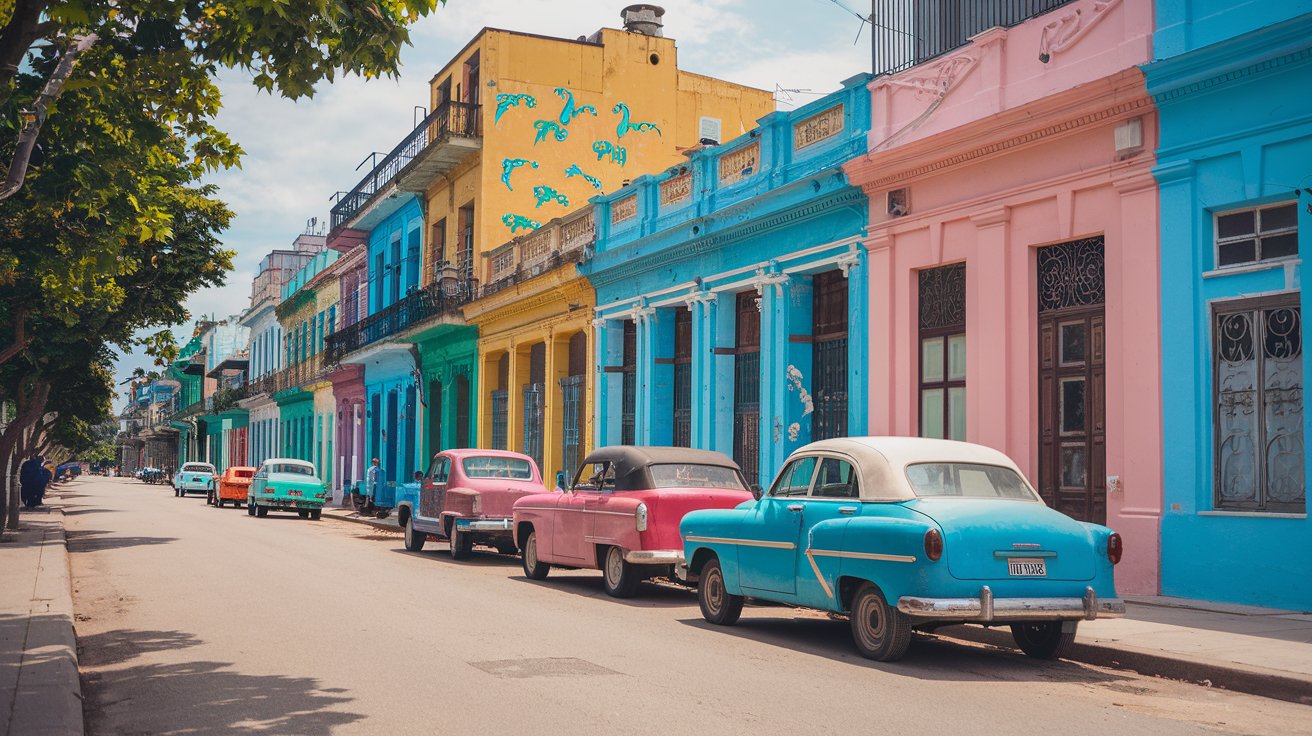
Cuba offers an extraordinary blend of colonial architecture, pristine beaches, vibrant culture, and revolutionary history that makes it one of the Caribbean’s most captivating destinations. From exploring Old Havana’s cobblestone streets to dancing salsa in Santiago de Cuba, this island nation provides countless adventures for US travelers in 2025. Best Things to Do in Cuba for US Citizens US citizens can legally visit Cuba through several authorized travel categories, including support for the Cuban people, educational activities, and people-to-people exchanges. The most popular approach involves staying at private casas particulares and dining at paladares (private restaurants), which directly supports Cuban entrepreneurs. This travel method allows Americans to experience authentic Cuban culture while complying with US regulations. Planning your Cuban adventure requires understanding both countries’ requirements. US travelers must maintain detailed records of their activities and expenditures, while Cuba requires a tourist visa and travel insurance. The island’s dual currency system transitioned to Cuban pesos (CUP) in 2021, simplifying transactions for visitors. Top Cultural Experiences in Cuba Immerse yourself in Cuba’s rich cultural heritage by attending live music performances at venues like Buena Vista Social Club or Casa de la Música. Cuban son, salsa, and jazz fill every corner of the island, creating an unforgettable soundtrack to your journey. Art enthusiasts should explore Fusterlandia, José Fuster’s mosaic wonderland in Jaimanitas, and the vibrant street art scene in Havana’s neighborhoods. Historical Sites and Revolutionary Landmarks Cuba’s revolutionary history comes alive at the Museum of the Revolution in Havana and Che Guevara’s mausoleum in Santa Clara. Walk through Plaza de la Revolución, where Fidel Castro delivered historic speeches, and visit the Bay of Pigs Museum to understand this pivotal moment in Cuban-American relations. These sites provide essential context for understanding modern Cuba’s political and social landscape. What to Do in Cuba Havana: Ultimate City Guide Old Havana (Habana Vieja) stands as Cuba’s crown jewel, featuring four main squares connected by narrow colonial streets. Plaza de Armas showcases the island’s oldest square, while Plaza de la Catedral houses the baroque Havana Cathedral. The restoration efforts have transformed this UNESCO World Heritage site into a living museum where residents continue their daily lives among centuries-old architecture. Modern Havana extends beyond the historic center, offering experiences like the Malecón seawall perfect for sunset strolls, and Vedado neighborhood’s art deco buildings and trendy restaurants. The iconic Hotel Nacional provides panoramic city views and serves as a testament to Havana’s glamorous pre-revolution era when it hosted celebrities and politicians from around the world. Havana’s Best Neighborhoods to Explore Centro Habana offers authentic local life with its bustling markets, while Miramar represents modern Cuba with its embassies and upscale paladares. Each neighborhood tells a different story of Cuban society, from the bohemian artists in San Isidro to the Afro-Cuban traditions preserved in Regla across the bay. Classic Car Tours and Transportation Experience Havana’s famous vintage American cars from the 1950s through organized tours or taxi rides. These beautifully maintained classics, born from necessity during the embargo years, now serve as moving museums and provide unique photography opportunities while exploring the city’s diverse districts. Top 10 Places to Visit in Cuba Beyond Havana Cuba’s diversity extends far beyond its capital, with each region offering distinct landscapes and cultural experiences. Trinidad, a perfectly preserved colonial town, transports visitors to the 16th century with its cobblestone streets and pastel-colored houses. The nearby Valle de los Ingenios showcases the island’s sugar plantation history and its connection to the slave trade. Viñales Valley in western Cuba presents dramatic limestone formations called mogotes, surrounded by tobacco farms where the world’s finest cigars begin their journey. This UNESCO Biosphere Reserve offers hiking, cave exploration, and interactions with tobacco farmers who maintain traditional cultivation methods passed down through generations. Eastern Cuba’s Hidden Gems Santiago de Cuba, the island’s second-largest city, pulses with Afro-Cuban culture and revolutionary history. Visit the Moncada Barracks where Castro’s revolution began, then experience the city’s legendary music scene. Baracoa, Cuba’s first capital, offers pristine beaches and the country’s most unique cuisine, including the famous chocolate production. Central Cuba’s Natural Wonders The Escambray Mountains provide excellent hiking opportunities and waterfalls, while Cienfuegos, known as the ‘Pearl of the South,’ showcases French colonial architecture. These destinations offer cooler climates and stunning natural beauty away from the coastal heat. Most Beautiful Places in Cuba: Beaches and Nature Varadero Beach stretches for 20 kilometers along the Hicacos Peninsula, offering white sand and crystal-clear waters that rank among the Caribbean’s finest. While more developed than other Cuban beaches, it provides excellent infrastructure and water sports opportunities. For a more secluded experience, head to Playa Paraíso on Cayo Largo, accessible only by chartered flight or organized tours. Cuba’s natural beauty extends to its coral reefs and marine life. The Jardines de la Reina marine park, one of the Caribbean’s largest coral reef systems, offers world-class diving and snorkeling. This protected area remains largely untouched, providing glimpses of marine life that has disappeared from other Caribbean destinations due to overfishing and development. Unique Things to Do in Cuba: Authentic Experiences Stay in casas particulares (private homestays) to experience authentic Cuban hospitality and daily life. These family-run accommodations offer intimate insights into Cuban culture while supporting local entrepreneurs. Your hosts often provide home-cooked meals featuring traditional recipes passed down through generations, creating memorable culinary experiences unavailable in restaurants. Learn to dance salsa and rumba from local instructors who teach not just the steps but the cultural significance behind each movement. These dances originated in Cuba’s streets and contain stories of the island’s African, Spanish, and indigenous heritage. Many neighborhoods offer informal dance lessons in parks and community centers where locals gather for evening entertainment. Cuban Cigar and Rum Experiences Visit tobacco farms in Pinar del Río to witness the entire cigar-making process, from seed to finished product. Master torcedores (cigar rollers) demonstrate techniques refined over centuries, while explaining how soil, climate, and craftsmanship create Cuba’s legendary cigars. Pair this with rum tastings at distilleries like Havana Club or Santiago de … Leer más

What is a Closed Currency? Complete Guide to Restricted Money

A closed currency is a national currency that cannot be freely traded outside its country of origin due to government restrictions. These restricted currencies are controlled by central banks to manage economic stability, prevent capital flight, and maintain monetary policy control. Understanding closed currencies is crucial for international travelers and businesses operating in affected countries. Understanding Closed Currencies A closed currency system represents a monetary framework where a country’s government strictly controls the exchange and movement of its national currency across borders. Unlike freely convertible currencies such as the US Dollar or Euro, closed currencies cannot be exchanged at international markets or purchased before traveling to the country. This restriction means that travelers cannot obtain these currencies from banks or exchange services in the United States or other foreign countries. The primary mechanism behind closed currency systems involves strict capital controls implemented by the issuing country’s central bank. These controls prevent the currency from leaving the country’s borders and restrict its conversion to other currencies. Government authorities monitor all foreign exchange transactions, requiring special permits or documentation for currency exchanges. This system allows countries to maintain greater control over their monetary policy and protect their economy from external market pressures. Key Characteristics of Closed Currencies Closed currencies share several distinctive features that separate them from freely convertible currencies. First, they cannot be purchased or sold outside their country of origin, making it impossible for US travelers to obtain them before departure. Second, these currencies often have artificially maintained exchange rates that differ significantly from black market rates. Third, strict export and import restrictions prevent individuals from carrying large amounts across borders. Finally, closed currency systems typically require tourists to exchange money only at authorized government facilities or banks within the country. Why Countries Implement Closed Currency Systems Countries adopt closed currency policies for various economic and political reasons. The primary motivation is to prevent capital flight, where wealthy individuals or corporations move money out of the country during economic uncertainty. Additionally, closed currencies help governments maintain control over inflation by restricting the money supply and preventing excessive speculation. Political stability also plays a role, as authoritarian governments often use currency controls to limit citizens’ ability to move assets abroad. Finally, countries with struggling economies use these restrictions to preserve foreign currency reserves for essential imports. List of Countries with Closed Currencies in 2025 As of 2025, several countries maintain closed currency systems that significantly impact international travel and business. China continues to restrict the Chinese Yuan (CNY) despite gradual liberalization efforts, requiring special permits for large currency exchanges. India maintains controls on the Indian Rupee (INR), though recent reforms have relaxed some restrictions for tourists and businesses. Other notable examples include Russia with increased restrictions on the Ruble following international sanctions, and various African countries seeking to protect their economies from volatile capital flows. Several Middle Eastern and North African countries also maintain restricted currency systems. Tunisia strictly controls the Tunisian Dinar, prohibiting its export and requiring tourists to exchange money only within the country. Morocco has similar restrictions on the Moroccan Dirham, though recent reforms have begun allowing limited convertibility. Countries like Algeria, Egypt, and Iran also maintain varying degrees of currency controls, making it impossible for US travelers to obtain these currencies before their trips. Major Closed Currencies Affecting US Travelers For US travelers, the most commonly encountered closed currencies include the Chinese Yuan, Indian Rupee, Russian Ruble, and various African currencies. The Chinese Yuan requires special documentation for large exchanges, while the Indian Rupee cannot be purchased outside India but can be obtained relatively easily upon arrival. The Tunisian Dinar and Moroccan Dirham present particular challenges as they cannot be obtained before travel and must be exchanged back before departure. These restrictions require careful planning for travelers from the United States. Emerging Changes in Closed Currency Policies The landscape of closed currencies continues evolving as countries balance economic control with international integration. India has gradually relaxed restrictions on the Rupee, allowing increased convertibility for tourism and business purposes. China has implemented pilot programs for Yuan internationalization while maintaining overall controls. Several African countries are exploring regional currency unions that would reduce restrictions within specific economic zones. However, geopolitical tensions have led some countries to strengthen their closed currency systems as protective measures against economic sanctions. How to Obtain Closed Currencies for Travel Obtaining closed currencies requires specific strategies since these currencies cannot be purchased in the United States before travel. The most reliable method involves exchanging US Dollars upon arrival at the destination country through authorized banks, airports, or government exchange facilities. Travelers should carry sufficient US Dollars in good condition, as damaged bills may be rejected. ATM withdrawals often provide the best exchange rates and convenience, though travelers should verify their bank’s international partnership agreements and withdrawal limits before departure. Credit cards offer another viable option for countries with closed currencies, though acceptance may be limited to major hotels, restaurants, and tourist attractions. Travelers should notify their banks about international travel plans to prevent card blocks and understand foreign transaction fees. Some countries allow the use of major foreign currencies like US Dollars or Euros alongside their closed currency, particularly in tourist areas. However, official exchange through authorized channels remains the safest and most cost-effective approach for most transactions. Best Practices for Currency Exchange When dealing with closed currencies, successful exchange requires following specific best practices. Always use official exchange facilities such as banks, authorized exchange bureaus, or airport counters rather than street vendors or unofficial sources. Keep all exchange receipts, as many countries require these documents for re-exchanging unused closed currency back to US Dollars before departure. Exchange only the amount needed for immediate expenses, as leftover currency often cannot be converted back or taken out of the country. Research current exchange rates before travel to identify fair pricing and avoid unfavorable deals. Digital Payment Alternatives Modern technology offers innovative solutions for navigating closed currency restrictions through digital payment methods. Mobile payment apps, international … Leer más

Isla de la Juventud Cuba: Complete Travel Guide 2025

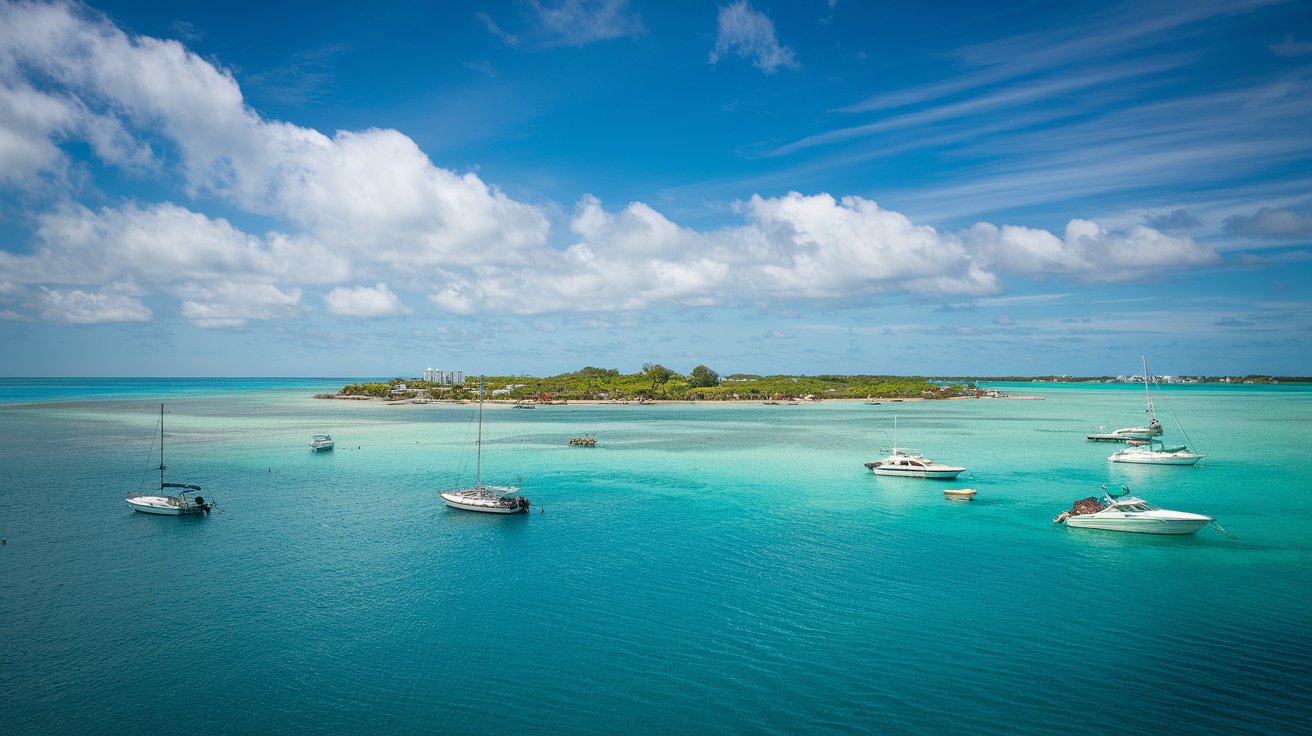
Isla de la Juventud Cuba, formerly known as Isla de Pinos, stands as Cuba’s second-largest island and one of the Caribbean’s most intriguing destinations. Located 100 kilometers south of Havana, this mysterious island combines pristine beaches, fascinating history, and exceptional diving opportunities that attract adventurous travelers seeking an authentic Cuban experience. Geographic Location and Climate of Isla de la Juventud Isla de la Juventud is strategically positioned in the Gulf of Batabanó, approximately 62 miles southwest of mainland Cuba. The island spans 2,200 square kilometers, making it the largest island in the Canarreos Archipelago. With coordinates at 21°40’N 82°50’W, this Cuba isla enjoys a tropical climate with average temperatures ranging from 75°F to 85°F year-round. The island’s unique geography features extensive marshlands in the north, while the southern region boasts beautiful beaches and coral reefs. The Isla de la Juventud Cuba map reveals a fascinating landscape divided into distinct ecological zones, with the Sierra de Casas mountain range providing the island’s highest elevations at 303 meters above sea level. Best Time to Visit and Weather Patterns The optimal visiting period for Isla de la Juventud Cuba extends from November through April, when humidity levels decrease and rainfall is minimal. During these months, temperatures average 78°F with gentle trade winds providing natural cooling. The wet season from May to October brings higher humidity and afternoon thunderstorms, though morning hours typically remain pleasant for outdoor activities. Transportation Access and Getting There Reaching Isla de la Juventud requires careful planning as commercial flights operate from Havana’s José Martí International Airport to Rafael Cabrera Airport. The 45-minute flight runs twice weekly on Tuesdays and Saturdays. Alternatively, the ferry service from Batabanó port takes approximately 2.5 hours, operating daily except during rough weather conditions when services may be suspended. Historical Significance and Cultural Heritage The island’s rich history spans over five centuries, beginning with Christopher Columbus’s arrival in 1494. Originally inhabited by the Siboney indigenous people, Isla de la Juventud Cuba later became a notorious pirate haven, with legends suggesting treasure remains buried in its caves and beaches. The island’s strategic location made it a crucial stopping point for Spanish galleons carrying precious metals from the Americas. During the 20th century, the island transformed dramatically under different political regimes. Fidel Castro himself was imprisoned here at the Presidio Modelo from 1953 to 1955 following the failed Moncada Barracks attack. This Cuba isla later became a symbol of international solidarity, hosting thousands of foreign students from Africa, Asia, and Latin America during the 1960s and 1970s, earning its current name meaning ‘Island of Youth.’ The Presidio Modelo Prison Complex The Presidio Modelo represents one of Cuba’s most important historical sites, designed in 1926 based on the Joliet Correctional Center in Illinois. This circular prison complex once held up to 6,000 inmates and now serves as a national monument. Visitors can explore the cell where Castro wrote his famous ‘History Will Absolve Me’ speech, making it a pilgrimage site for those interested in Cuban revolutionary history. Indigenous and Colonial Archaeological Sites Archaeological discoveries throughout Isla de la Juventud Cuba reveal extensive pre-Columbian settlements dating back 1,000 years. The Punta del Este cave system contains over 200 pictographs created by the Siboney people, featuring astronomical symbols and spiritual imagery. These caves represent the largest collection of indigenous artwork in the Caribbean, protected as a UNESCO World Heritage consideration site since 2018. Top Attractions and Things to Do in Isla de la Juventud Adventure seekers will find countless Isla de la Juventud Cuba things to do, from world-class diving to historical exploration. The island offers 56 official dive sites, including the famous Black Coral Wall, where depths reach 40 meters and visibility extends up to 50 meters. The coral formations here remain largely untouched, providing habitat for over 300 fish species, Caribbean reef sharks, and occasional whale shark sightings. Land-based activities include exploring the extensive cave systems, with over 800 documented caves throughout the island. Punta Frances National Park covers 6,000 hectares of pristine wilderness, featuring hiking trails through endemic flora including the rare Isla de la Juventud pine trees found nowhere else on Earth. World-Class Diving and Marine Life The waters surrounding Isla de la Juventud offer some of the Caribbean’s most pristine diving conditions. The International Diving Center provides PADI certification courses and guided excursions to sites like the Colony wreck, a 120-foot vessel sunk in 1981 that now hosts vibrant coral growth. Water temperatures remain consistently warm at 78-82°F, with visibility often exceeding 100 feet during optimal conditions from December through May. Beach Activities and Coastal Exploration The Isla de la Juventud Cuba beach experiences vary from secluded coves to expansive stretches of white sand. Playa Sirena offers 5 kilometers of pristine coastline with gentle waves perfect for swimming and snorkeling. Playa Punta Frances features dramatic limestone cliffs and hidden lagoons accessible only by hiking trails, providing photographers with spectacular sunset viewing opportunities. Local Culture and Community Life The approximately 86,000 residents of Isla de la Juventud Cuba maintain a distinct island culture influenced by decades of international student presence. Nueva Gerona, the capital city with 58,000 inhabitants, showcases colonial architecture alongside Soviet-era buildings constructed during the 1970s educational exchange programs. The community celebrates unique festivals including the annual Grapefruit Festival in March, highlighting the island’s citrus industry. Local artisans specialize in creating jewelry from black coral and conch shells, though visitors should note that black coral products cannot be legally exported from Cuba. The island’s musicians blend traditional Cuban rhythms with influences from African students who studied here, creating a distinctive musical style performed in local venues throughout Nueva Gerona. Accommodation and Tourism Infrastructure Tourism infrastructure on Isla de la Juventud Cuba remains deliberately limited to preserve the island’s pristine environment. The Colony Hotel serves as the primary resort, offering 77 rooms with basic amenities and direct beach access. Casa particulares provide authentic homestay experiences, with approximately 40 licensed properties throughout Nueva Gerona offering rates from $25-45 per night in 2025. Restaurant options focus … Leer más

Best Time to Visit Cuba: Complete 2025 Travel Guide

Planning your Cuban adventure requires perfect timing to maximize your experience. The best time to visit Cuba depends on your priorities: weather, budget, crowds, and activities. Cuba enjoys a tropical climate with distinct wet and dry seasons, making certain months ideal for different types of travelers. This comprehensive guide breaks down each season to help you choose the perfect time for your Cuban getaway. Cuba’s Climate Overview: Understanding the Seasons Cuba’s tropical climate features two main seasons that significantly impact your travel experience. The dry season runs from November through April, offering the most comfortable weather conditions with minimal rainfall and lower humidity. During this period, temperatures range from 70-80°F (21-27°C), making it the peak tourist season when prices are highest but conditions are most favorable. The wet season spans May through October, characterized by higher temperatures, increased humidity, and frequent afternoon thunderstorms. Despite the name, rain typically occurs in short, intense bursts rather than all-day downpours. This season offers significant cost savings and fewer crowds, though hurricane season runs from June through November, with peak activity in September and October. Dry Season Characteristics (November-April) The dry season represents Cuba’s premium travel period, offering the most predictable and comfortable weather conditions. Average rainfall drops to just 2-3 inches per month, with humidity levels remaining manageable around 70-75%. Trade winds provide natural cooling, making outdoor activities particularly enjoyable during this time. Wet Season Features (May-October) Cuba’s wet season brings afternoon thunderstorms that typically last 1-2 hours, followed by clear skies and sunshine. Monthly rainfall averages 6-8 inches, with September and October experiencing the heaviest precipitation. Despite increased moisture, many travelers appreciate the lush, green landscapes and dramatic cloud formations that characterize this period. December and January: Peak Winter Escape December and January represent Cuba’s absolute peak season, attracting visitors seeking warm weather during North American winter months. Temperatures consistently range from 72-79°F (22-26°C) with minimal rainfall averaging just 1.5-2 inches monthly. These months offer the most reliable sunshine and comfortable conditions for beach activities, city exploration, and outdoor adventures. However, peak season pricing applies during December and January, with accommodation costs increasing 40-60% compared to shoulder seasons. Popular destinations like Havana, Varadero, and Trinidad experience significant crowds, requiring advance reservations for restaurants, tours, and accommodations. Despite higher costs, the guaranteed excellent weather makes this period ideal for first-time visitors prioritizing comfort over budget considerations. February and March: Optimal Weather Window February and March offer Cuba’s most favorable conditions for outdoor enthusiasts and active travelers. These months feature the year’s lowest humidity levels, crystal-clear skies, and minimal rainfall averaging under 2 inches monthly. Temperatures remain perfect for hiking, cycling, and extended city walking tours, typically ranging from 73-81°F (23-27°C). The ocean temperature reaches its coolest point during February and March, providing refreshing relief from the warm air temperatures. This combination creates ideal conditions for snorkeling, diving, and beach activities without the oppressive heat of summer months. Additionally, these months fall outside hurricane season, eliminating weather-related travel disruptions. Adventure Activities in February-March Outdoor adventure opportunities peak during February and March when comfortable temperatures and low humidity create perfect conditions for hiking the Sierra Maestra mountains, exploring Viñales Valley caves, and undertaking multi-day cycling tours across the island. Wildlife and Nature Viewing These months offer exceptional wildlife viewing opportunities as migratory birds visit Cuban wetlands and national parks. The clear, dry conditions provide excellent visibility for birdwatching, with over 25 endemic species more easily spotted during this period. April and October: Shoulder Season Balance April and October represent Cuba’s sweet spot months, offering excellent weather conditions with significantly reduced crowds and moderate pricing. April temperatures range from 75-84°F (24-29°C) with rainfall increasing slightly to 3-4 inches, while October sees temperatures of 78-85°F (26-29°C) as the wet season transitions to dry conditions. These shoulder season months provide 20-30% savings on accommodations compared to peak winter months, while still maintaining favorable weather for most activities. April marks the end of peak season, offering lingering excellent conditions with departing crowds, while October signals the beginning of the dry season with improving weather patterns. April Advantages April combines peak season weather with shoulder season pricing, making it particularly attractive for budget-conscious travelers seeking optimal conditions. The month features minimal rainfall and comfortable temperatures perfect for all activities. October Benefits October offers improving weather conditions as the wet season concludes, with decreasing rainfall and humidity levels. Late October particularly shines with dry season weather beginning to establish itself across the island. May, June, and September: Budget Traveler’s Paradise Budget-conscious travelers find exceptional value during May, June, and September when accommodation prices drop 30-50% from peak season rates. While these months fall within the wet season, afternoon thunderstorms typically last only 1-2 hours, leaving plenty of time for sightseeing and activities. Temperatures during these months range from 79-88°F (26-31°C) with higher humidity levels around 80-85%. The increased rainfall creates lush, vibrant landscapes particularly beautiful for photography and nature appreciation. Many travelers appreciate fewer crowds at popular attractions, allowing for more intimate experiences at UNESCO World Heritage sites and cultural landmarks. July and August: Cultural Immersion Peak July and August showcase Cuba’s vibrant cultural scene at its most energetic, with numerous festivals, outdoor concerts, and community celebrations throughout both months. The Santiago Carnival in July and Havana’s Summer Festival in August provide authentic cultural experiences unavailable during other times of year. These months feature the highest temperatures of the year, ranging from 82-91°F (28-33°C) with intense humidity reaching 85-90%. While challenging for some visitors, the heat creates an authentic Cuban experience as locals adapt their schedules to the climate, with increased evening and nighttime activities when temperatures cool. Festival Season Highlights Summer festivals provide unparalleled cultural immersion opportunities, with Santiago’s Carnival featuring traditional costumes, music, and dancing that dates back centuries. These celebrations offer authentic interactions with Cuban culture impossible to experience during quieter months. Heat Management Strategies Successful summer travel requires adaptation strategies including early morning and late afternoon activity scheduling, frequent hydration, lightweight clothing, and seeking air-conditioned spaces … Leer más

Best Places to Stay in Trinidad 2025: Complete Guide

Trinidad offers diverse places to stay ranging from luxury beachfront properties to budget-friendly hotels. Whether you’re seeking a romantic getaway in Mayaro, family-friendly accommodations in Port of Spain, or secluded beach houses in Toco, this comprehensive guide covers all the best options for US travelers visiting Trinidad in 2025. Top Beach House Rentals in Trinidad Beach house rentals represent the most popular places to stay in Trinidad for US tourists seeking privacy and luxury. These properties offer direct beach access, private pools, and stunning ocean views. The average nightly rate ranges from $150 to $800 depending on location and amenities. Most beach houses accommodate 4-12 guests, making them ideal for families or groups traveling together. Popular locations include Mayaro Beach, Toco, and the Down D’ Islands area. Many properties feature modern amenities like air conditioning, WiFi, full kitchens, and barbecue areas. Trinidad beach houses typically require a minimum 3-night stay during peak season (December through April) and offer significant discounts for weekly bookings. Mayaro Beach House Rentals Mayaro Beach houses offer some of Trinidad’s most spectacular accommodations with over 30 beachfront properties available for rent. These vacation rentals feature direct beach access, with popular options including properties with private pools, outdoor dining areas, and space for 6-10 guests. Rates typically range from $200-500 per night, with many offering weekly discounts of 15-20% for US visitors. Toco Beach House Options Toco offers more secluded beach house rentals perfect for couples or small families seeking tranquility. These properties typically cost $150-300 per night and feature 2-4 bedrooms with ocean views. Many Toco houses include kayaks, snorkeling equipment, and private beach access. The area is particularly popular with US tourists who prefer quieter destinations away from crowded resort areas. Luxury Hotels and Resorts Trinidad’s luxury hotel sector caters to discerning US travelers with world-class amenities and service. Premium places to stay include internationally recognized brands and boutique properties offering spa services, multiple dining options, and concierge assistance. Rates for luxury accommodations range from $300-800 per night, with many properties offering package deals that include meals and activities. The Hyatt Regency Trinidad remains the island’s flagship luxury property, while the Hilton Trinidad offers modern business amenities. Boutique options like the Kapok Hotel provide intimate luxury experiences with personalized service. Most luxury hotels in Trinidad offer US citizens familiar amenities including 24-hour room service, fitness centers, and business facilities. Port of Spain Luxury Hotels Port of Spain features the highest concentration of luxury hotels in Trinidad, with properties like the Hyatt Regency and Hilton Trinidad leading the market. These hotels offer business centers, multiple restaurants, and prime locations near shopping and cultural attractions. Nightly rates range from $250-600, with many properties offering special packages for US tourists including airport transfers and city tours. Boutique Resort Experiences Boutique resorts provide intimate luxury experiences with typically 20-50 rooms and personalized service. Properties like the Asa Wright Nature Centre offer unique eco-luxury experiences combining comfortable accommodations with nature activities. These boutique places to stay typically cost $200-400 per night and include specialized experiences like bird watching tours, nature walks, and cultural immersion programs. Mid-Range Hotels and Guesthouses Mid-range accommodations offer excellent value for US citizens visiting Trinidad, providing comfortable rooms and essential amenities at reasonable prices. These properties typically cost $80-200 per night and include features like air conditioning, private bathrooms, WiFi, and often continental breakfast. Many mid-range hotels are located in convenient areas near attractions, restaurants, and transportation hubs. Popular mid-range chains include Best Western and local properties like the Normandie Hotel. These hotels in Trinidad often feature pools, restaurants, and business facilities while maintaining affordable rates. Many properties offer special rates for extended stays, making them ideal for US tourists planning longer visits or business trips to Trinidad. Budget-Friendly Accommodation Options Budget travelers can find quality places to stay in Trinidad for under $100 per night without sacrificing comfort or safety. Options include clean guesthouses, hostels, and small hotels offering basic amenities like air conditioning, private bathrooms, and WiFi. Many budget properties are family-owned businesses providing personal service and local insights to enhance your Trinidad experience. Popular budget areas include St. Augustine, Chaguanas, and suburban Port of Spain locations. These accommodations often include complimentary breakfast and offer easy access to public transportation. Budget hotels in Trinidad typically cost $40-90 per night, with many offering weekly rates that provide additional savings for longer stays. Hostels and Backpacker Accommodations Trinidad’s hostel scene caters to budget-conscious travelers with shared and private room options starting at $25 per night. Popular hostels offer communal kitchens, laundry facilities, and social areas where travelers can meet others. Many hostel accommodations provide free WiFi, breakfast, and local activity booking services, making them ideal for solo travelers and backpackers exploring Trinidad. Guesthouse Experiences Local guesthouses provide authentic Trinidad experiences with rates ranging from $50-120 per night. These family-run guesthouses often include home-cooked meals, local tours, and personalized recommendations from hosts who know the area intimately. Many guesthouses are located in residential neighborhoods providing insight into authentic Trinidadian life while maintaining comfort and cleanliness standards. Pet-Friendly Accommodations Traveling with pets requires special consideration, and Trinidad offers approximately 10 pet-friendly places to stay across the island. These accommodations welcome dogs and cats with advance notice and often charge additional fees of $25-50 per night per pet. Many pet-friendly properties provide outdoor spaces, nearby walking areas, and can recommend local veterinary services if needed. Beach houses represent the most popular pet-friendly option, offering private yards and direct beach access where pets can exercise safely. Several hotels in Port of Spain and San Fernando also accept pets with advance reservations. Pet-friendly accommodations typically require proof of vaccinations and may have size or breed restrictions, so US travelers should confirm policies when booking. Specialized Accommodation Types Trinidad offers unique accommodation experiences beyond traditional hotels and rentals. Eco-lodges provide sustainable tourism options with solar power, rainwater collection, and organic gardens. These specialized places to stay typically cost $100-250 per night and include guided nature activities, bird watching tours, and educational … Leer más

What is the Climate of Cuba? Complete Weather Guide 2025

Cuba features a tropical climate characterized by warm temperatures year-round, distinct wet and dry seasons, and relatively stable weather patterns. Located in the Caribbean, this island nation experiences average temperatures between 70-85°F (21-29°C) throughout the year, making it an attractive destination for travelers seeking consistent warmth and sunshine. Understanding Cuba’s Tropical Climate Classification Cuba’s tropical climate falls under the Köppen climate classification as a tropical savanna climate (Aw) in most regions, with some areas experiencing a tropical monsoon climate (Am). This classification means the island enjoys warm temperatures throughout the year with minimal seasonal temperature variation. The climate of Cuba is heavily influenced by its geographic position between the Tropic of Cancer and the Caribbean Sea, creating ideal conditions for consistent warmth and predictable weather patterns. The island’s climate type is further moderated by the surrounding ocean waters, which act as a natural thermostat, preventing extreme temperature fluctuations. Trade winds from the northeast provide additional cooling effects, especially during the warmer months. This tropical classification distinguishes Cuba from temperate regions that experience four seasons, instead offering a more binary seasonal pattern focused on precipitation rather than temperature changes. Geographic Factors Influencing Cuban Weather Cuba’s elongated shape, stretching over 760 miles from east to west, creates subtle regional variations in its tropical climate. The eastern regions, including Santiago de Cuba, tend to receive more rainfall and experience slightly higher humidity levels compared to western areas like Havana. Mountain ranges, particularly the Sierra Maestra in the southeast, create microclimates with cooler temperatures and increased precipitation on windward slopes. Ocean and Wind Pattern Effects The Caribbean Sea and Atlantic Ocean surrounding Cuba play crucial roles in moderating the island’s weather patterns. Ocean currents maintain relatively stable water temperatures between 77-82°F (25-28°C) year-round, which directly influences air temperatures. Northeast trade winds, prevalent from November through April, bring cooler, drier air masses that define Cuba’s dry season characteristics. Cuba’s Two Primary Seasons Unlike regions with four seasons, Cuba experiences two distinct seasons based primarily on rainfall patterns rather than temperature variations. The dry season (November through April) and wet season (May through October) each offer unique characteristics that affect travel planning and daily life on the island. Understanding these seasonal patterns is essential for anyone planning to visit or study Cuba’s climate system. The dry season represents Cuba’s peak tourist period, with lower humidity levels, minimal rainfall, and slightly cooler temperatures averaging 70-80°F (21-27°C). During this period, average rainfall drops significantly, with some months receiving less than 2 inches of precipitation. The wet season brings higher temperatures, increased humidity, and substantial rainfall, with average temperatures ranging from 75-85°F (24-29°C) and monthly precipitation often exceeding 6 inches. Dry Season Characteristics (November-April) Cuba’s dry season offers the most comfortable weather conditions for visitors, with average temperatures ranging from 70-80°F (21-27°C) and humidity levels between 70-75%. Rainfall during this period averages 1-3 inches per month, with December and January being the driest months. Trade winds provide natural cooling, making outdoor activities more enjoyable despite the tropical latitude. Wet Season Features (May-October) The wet season brings higher temperatures averaging 75-85°F (24-29°C) and significantly increased rainfall, with some months receiving 8-10 inches of precipitation. Humidity levels rise to 80-85%, creating a more oppressive feeling despite similar temperature ranges. Afternoon thunderstorms are common, typically occurring between 2-6 PM and lasting 1-2 hours. Cuba Temperature by Month Breakdown Understanding Cuba temperature by month patterns helps visitors and residents plan activities and prepare appropriate clothing. January represents the coolest month with average highs of 78°F (26°C) and lows of 65°F (18°C), while August typically records the highest temperatures with averages reaching 85°F (29°C) during the day and 75°F (24°C) at night. These temperature variations, though modest by temperate climate standards, create noticeable differences in comfort levels throughout the year. Spring months (March-May) show gradual warming trends, with March averaging 80°F (27°C) and May reaching 83°F (28°C). Summer temperatures remain consistently high, with June through September maintaining averages between 84-85°F (29°C). Fall months experience gradual cooling, with October averaging 82°F (28°C) and November dropping to 79°F (26°C), marking the transition back to the cooler dry season. Rainfall Patterns and Precipitation Data Average rainfall in Cuba varies significantly between seasons, with the wet season accounting for approximately 70% of annual precipitation. The island receives an average of 52 inches (1,320mm) of rainfall annually, though this varies considerably by region and elevation. Coastal areas typically receive less precipitation than inland mountain regions, where orographic lifting creates enhanced rainfall on windward slopes. Monthly rainfall patterns show dramatic variations, with December averaging just 1.5 inches while September often exceeds 8 inches. The wettest months (June through October) coincide with the Atlantic hurricane season, contributing to increased precipitation totals. Regional variations are significant, with eastern Cuba receiving up to 20% more rainfall than western regions due to prevailing wind patterns and topographic influences. Regional Precipitation Variations Eastern Cuba, including Santiago de Cuba and Guantánamo, experiences higher average rainfall totals, often exceeding 60 inches annually. Western regions, particularly around Havana and Pinar del Río, typically receive 45-50 inches per year. Mountainous areas in the Sierra Maestra can receive over 80 inches annually due to orographic effects. Hurricane Season Impact on Rainfall Hurricane season (June 1 – November 30) significantly influences Cuba’s rainfall patterns, with tropical systems contributing substantial precipitation totals. Even systems that don’t make direct landfall can produce heavy rainfall through outer bands and associated weather systems. The peak hurricane months (August-October) often see the highest monthly precipitation totals of the year. Best Time to Visit Cuba Based on Climate The best time to visit Cuba depends on individual preferences for weather conditions, crowd levels, and activity plans. December through March represents the optimal period for most visitors, offering the most comfortable temperatures, lowest humidity, and minimal rainfall. During these months, daytime temperatures average 75-80°F (24-27°C) with nighttime lows rarely dropping below 65°F (18°C), creating ideal conditions for outdoor exploration and beach activities. April and November serve as excellent shoulder seasons, providing good weather conditions with fewer crowds … Leer más