
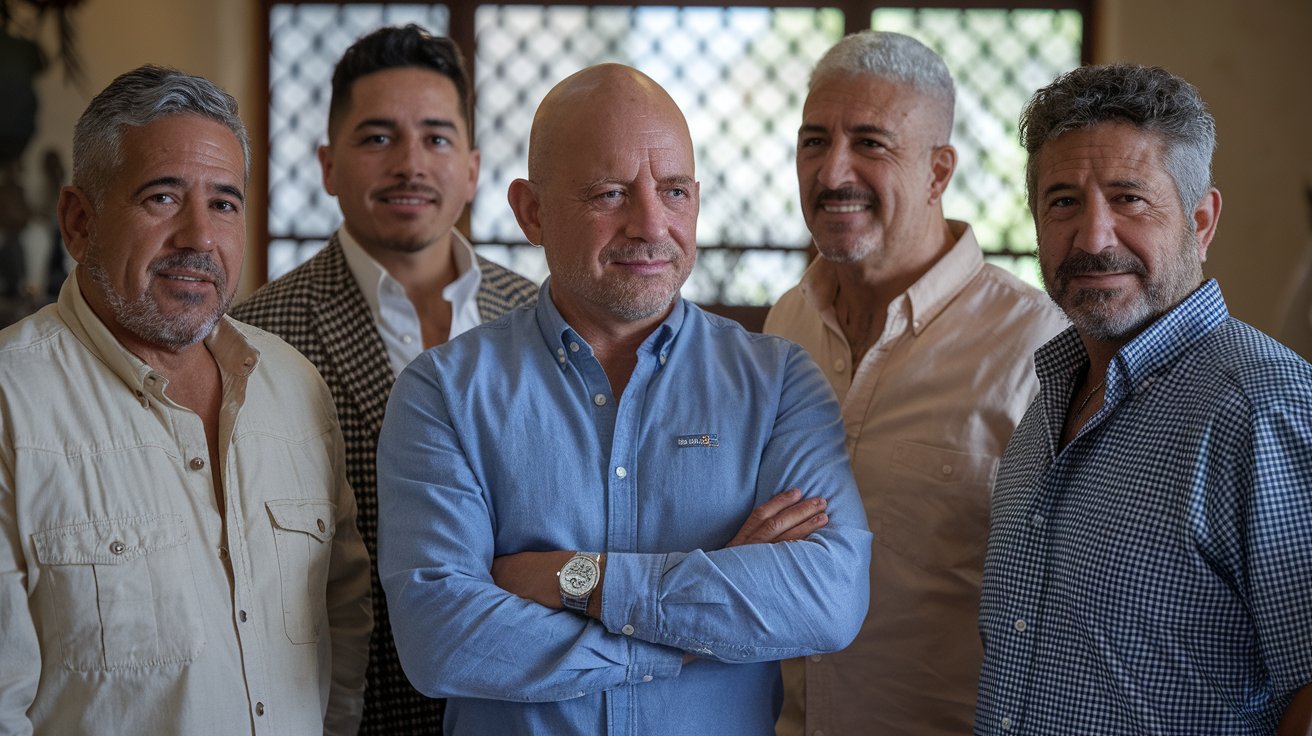
The members of Buena Vista Social Club transformed Cuban music forever when Ry Cooder assembled legendary musicians in Havana’s EGREM studios in 1996. This iconic ensemble featured aging Cuban masters who had been largely forgotten, bringing their traditional son, bolero, and mambo styles to global audiences. Today, most original members have passed away, but their musical legacy continues through recordings, documentaries, and tribute performances across the United States and worldwide.
Original Members of Buena Vista Social Club and Their Stories
The original members of Buena Vista Social Club represented multiple generations of Cuban musical excellence, ranging from their 70s to 90s when the album was recorded. These musicians had performed during Cuba’s golden age of music in the 1940s and 1950s, before political changes and the U.S. embargo largely isolated Cuban culture from international audiences. Producer Ry Cooder and World Circuit Records brought together these veterans for what became one of the most successful world music albums ever released.
The core group included vocalists, guitarists, pianists, and traditional percussion players who had mastered the intricate rhythms of Cuban son and bolero. Each member brought decades of experience performing in Havana’s legendary venues, from the Tropicana to smaller neighborhood clubs. Their collaboration created an authentic sound that captured the essence of pre-revolutionary Cuban music while introducing it to contemporary global audiences.
Ibrahim Ferrer: The Golden Voice of Cuban Son
Ibrahim Ferrer became the most internationally recognized face of Buena Vista Social Club, despite being discovered working as a shoe shiner when Ry Cooder found him. Born in 1927, Ferrer had been a prominent vocalist in 1950s Havana before fading into obscurity. His soulful interpretation of classics like ‘Dos Gardenias’ and collaboration on ‘Chan Chan’ made him a global sensation. Ferrer passed away in 2005 at age 78, but his solo albums and performances remain benchmark recordings of traditional Cuban vocal style.
Compay Segundo: Master of the Armónico and Cuban Composition
Compay Segundo, born Francisco Repilado in 1907, was the eldest member and creator of the seven-stringed armónico guitar. His composition ‘Chan Chan’ became the album’s signature song and one of the most recognizable Cuban melodies worldwide. Segundo continued performing well into his 90s, touring internationally and recording additional albums. He died in 2003 at age 95, leaving behind a catalog of over 100 compositions that define modern Cuban son music.
Living Members and Current Status in 2025
As of 2025, very few Buena Vista Social Club members are alive, reflecting the advanced age of the original performers when the project began nearly 30 years ago. The surviving members continue to be celebrated through tribute concerts, documentary screenings, and ongoing royalty distributions from the album’s continued success. Their families and estates work with Cuban cultural institutions to preserve their musical legacies and ensure proper recognition of their contributions.
The question ‘are any members of the Buena Vista Social Club alive‘ remains frequently searched as fans worldwide continue discovering this music. While most original members have passed away, their influence extends through students, family members, and contemporary Cuban musicians who carry forward their traditional playing styles and compositional approaches.
Barbarito Torres and Surviving Contributors
Barbarito Torres, the electric violin virtuoso who contributed to several tracks, represents one of the few surviving contributors from the original sessions. His fusion of classical technique with Cuban rhythms created unique arrangements that distinguished several album tracks. Torres continues performing and recording in Cuba, maintaining connections to the Buena Vista legacy while developing contemporary projects that blend traditional and modern influences.
Estate Management and Legacy Preservation
The estates of deceased Buena Vista Social Club members work actively to preserve their musical heritage through reissues, previously unreleased recordings, and biographical documentaries. Organizations like the Cuban Institute of Music and international record labels collaborate to ensure proper copyright management and cultural preservation. These efforts include digitizing master recordings, documenting performance techniques, and supporting educational programs that teach traditional Cuban musical styles to new generations.
Key Female Voices in Buena Vista Social Club
While male voices dominated the original Buena Vista Social Club album, several important female singers contributed to the broader project and subsequent recordings. These women brought essential perspectives to Cuban musical traditions, particularly in bolero and feeling genres that emphasize emotional expression and sophisticated harmonic arrangements. Their contributions often featured in live performances and later album releases that expanded the original concept.
The question ‘who is the female singer in Buena Vista Social Club‘ typically refers to performers who joined touring versions or appeared in related projects. These artists maintained the traditional Cuban vocal styles while adding contemporary interpretations that helped bridge generational gaps in audiences worldwide.
Omara Portuondo: The Queen of Cuban Feeling
Omara Portuondo, though not on the original 1997 album, became closely associated with Buena Vista Social Club through live performances and related recordings. Born in 1930, Portuondo represented the sophisticated Havana club scene of the 1950s and brought decades of professional experience to collaborations with Buena Vista members. Her interpretations of boleros and feeling standards demonstrated the depth of Cuban female vocal traditions and their continuing relevance.
Contemporary Female Interpreters
Modern Cuban and international female vocalists continue interpreting Buena Vista Social Club repertoire, bringing fresh perspectives to classic compositions. These performers study the original recordings while adding personal stylistic elements that reflect contemporary musical influences. Their work ensures that the female voice in Cuban traditional music receives proper recognition and continues evolving for new audiences worldwide.
Broadway Musical and Stage Adaptations
The Buena Vista Social Club Broadway musical represents the latest evolution of this musical legacy, bringing Cuban traditions to American theatrical audiences. Developed with input from surviving members’ estates and Cuban cultural authorities, the production features authentic instruments, traditional costumes, and choreography that reflects Havana’s golden age musical culture. The Broadway adaptation includes both original Buena Vista compositions and additional Cuban standards that provide historical context.
Who is in Buena Vista Social Club Broadway includes carefully selected performers trained in Cuban musical traditions, working with Cuban consultants to ensure authenticity. The production team collaborated with musicologists and cultural historians to create educational materials that accompany performances, helping American audiences understand the historical and cultural significance of this music beyond its entertainment value.
Legal Issues and Buena Vista Social Club Lawsuit
The Buena Vista Social Club lawsuit involves complex copyright and royalty disputes that have emerged as the album’s commercial success continues generating revenue decades after its release. Legal challenges include questions about proper compensation for surviving members and estates, international copyright enforcement, and the rights of various record labels involved in distribution. These cases reflect broader issues in world music regarding fair compensation for traditional artists whose work achieves unexpected commercial success.
Legal experts specializing in international music copyright note that the Buena Vista case highlights challenges when traditional musicians from developing countries collaborate with international producers and labels. The lawsuit outcomes may establish important precedents for similar projects involving traditional artists and global music markets, particularly regarding posthumous royalty distribution and cultural heritage preservation rights.
Most Celebrated Buena Vista Social Club Songs
Buena Vista Social Club songs continue ranking among the most recognizable world music recordings, with ‘Chan Chan,’ ‘Dos Gardenias,’ and ‘El Presidente’ receiving consistent radio play and streaming activity across the United States. These compositions demonstrate the sophistication of Cuban son and bolero traditions while remaining accessible to international audiences unfamiliar with Latin American musical conventions. Music educators frequently use these recordings to introduce students to Caribbean rhythmic patterns and harmonic structures.
The best songs from Buena Vista Social Club showcase different aspects of Cuban musical heritage, from the infectious rhythm of ‘Chan Chan’ to the romantic sophistication of ‘Besame Mucho.’ Each track features distinct instrumental combinations and vocal approaches that highlight individual members’ specialties while maintaining the ensemble’s cohesive sound. Contemporary musicians worldwide continue covering these songs, adapting them for different instruments and musical contexts.
Chan Chan: The Defining Anthem
Buena Vista Social Club Chan Chan remains the most internationally recognized Cuban song of the past 30 years, with its simple yet infectious melody becoming synonymous with Cuban music for many listeners. Compay Segundo’s composition tells the story of two friends in eastern Cuba, using traditional son montuno structure that allows for extended instrumental solos and call-and-response vocal patterns. The song’s popularity has inspired countless cover versions and adaptations across multiple genres and languages.
Romantic Ballads and Bolero Traditions
The bolero selections on Buena Vista Social Club albums demonstrate the sophisticated harmonic and melodic traditions that developed in 1940s and 1950s Havana. Songs like ‘Dos Gardenias’ and ‘Silencio’ feature complex chord progressions and emotional vocal interpretations that influenced Latin American popular music throughout the 20th century. These recordings preserve performance practices that might otherwise have been lost as original practitioners aged and passed away.
Cultural Impact and Legacy in the United States
The Buena Vista Social Club’s impact on American music culture extends far beyond sales figures, influencing how U.S. audiences understand Cuban and Latin American musical traditions. The project coincided with increased interest in world music and cultural exchange, helping normalize appreciation for non-English popular music among mainstream American listeners. Universities across the United States now include Buena Vista Social Club recordings in ethnomusicology and Latin American studies curricula.
American musicians have incorporated Buena Vista Social Club influences into jazz, folk, and popular music contexts, creating fusion styles that blend Cuban son with various American musical traditions. This cross-cultural pollination demonstrates the universal appeal of the rhythmic and harmonic concepts that define Cuban traditional music, while highlighting the continuing relevance of these older musical forms in contemporary creative contexts.
Where Are They Now: Member Updates for 2025
Members of Buena Vista Social Club where are they now reflects the reality that most original performers have passed away, but their musical influence continues through recordings, tribute performances, and educational programs. Cuban music institutions work to preserve their techniques and repertoire, while international cultural organizations support projects that document their contributions to world music. The surviving family members often participate in commemorative events and continue receiving royalties from ongoing album sales and streaming revenue.
Contemporary Cuban musicians frequently cite Buena Vista Social Club members as primary influences, studying their recordings and seeking to master traditional playing techniques that these masters represented. Music schools in Cuba and internationally use their performances as teaching materials, ensuring that the technical and stylistic elements they developed continue reaching new generations of musicians interested in authentic Cuban musical expression.
Related video about members of buena vista social club
This video complements the article information with a practical visual demonstration.
Essential Q&A about members of buena vista social club
Are any members of the Buena Vista Social Club still alive in 2025?
As of 2025, very few original Buena Vista Social Club members remain alive, as most were already elderly when the album was recorded in 1996. The surviving contributors include some session musicians and backing vocalists, but the main featured artists like Ibrahim Ferrer, Compay Segundo, and Rubén González have all passed away. Their estates continue managing their musical legacies and royalty distributions.
Who were the main female singers in Buena Vista Social Club?
While the original 1997 album featured primarily male vocalists, Omara Portuondo became closely associated with the project through live performances and related recordings. She represented the sophisticated female vocal traditions of 1950s Havana and contributed to the broader Buena Vista Social Club legacy through touring and collaborative albums with surviving members.
What is the current status of the Buena Vista Social Club lawsuit?
The Buena Vista Social Club lawsuit involves ongoing copyright and royalty disputes related to the album’s continuing commercial success. Legal issues include proper compensation for estates of deceased members, international copyright enforcement, and distribution rights among various record labels. These cases highlight broader challenges in world music regarding fair compensation for traditional artists.
Who performs in the Buena Vista Social Club Broadway musical?
The Buena Vista Social Club Broadway musical features carefully selected performers trained in Cuban musical traditions, working with Cuban cultural consultants to ensure authenticity. The cast includes both Cuban and international artists who specialize in traditional son, bolero, and mambo styles, supported by authentic instruments and period-appropriate staging that reflects 1950s Havana musical culture.
What are the most popular Buena Vista Social Club songs?
The most celebrated Buena Vista Social Club songs include ‘Chan Chan’ by Compay Segundo, ‘Dos Gardenias’ performed by Ibrahim Ferrer, ‘El Presidente,’ and ‘Besame Mucho.’ These tracks showcase different aspects of Cuban musical heritage and continue receiving significant radio play and streaming activity worldwide, particularly in the United States where they introduced many listeners to traditional Cuban music.
How has Buena Vista Social Club influenced American music culture?
Buena Vista Social Club significantly impacted American music culture by introducing mainstream audiences to authentic Cuban traditional music and influencing cross-cultural musical collaborations. The project helped normalize appreciation for non-English world music, influenced American jazz and folk musicians, and became standard curriculum material in university ethnomusicology programs across the United States, demonstrating the universal appeal of Cuban musical traditions.
| Member Category | Current Status (2025) | Legacy Impact |
|---|---|---|
| Original Main Artists | Most deceased; estates manage legacies | Global Cuban music recognition |
| Session Musicians | Few surviving; continue performing | Technical preservation of traditional styles |
| Female Contributors | Some active in tribute performances | Representation of Cuban female vocal traditions |
| Broadway Adaptation | Active theatrical production | Cultural education for American audiences |