
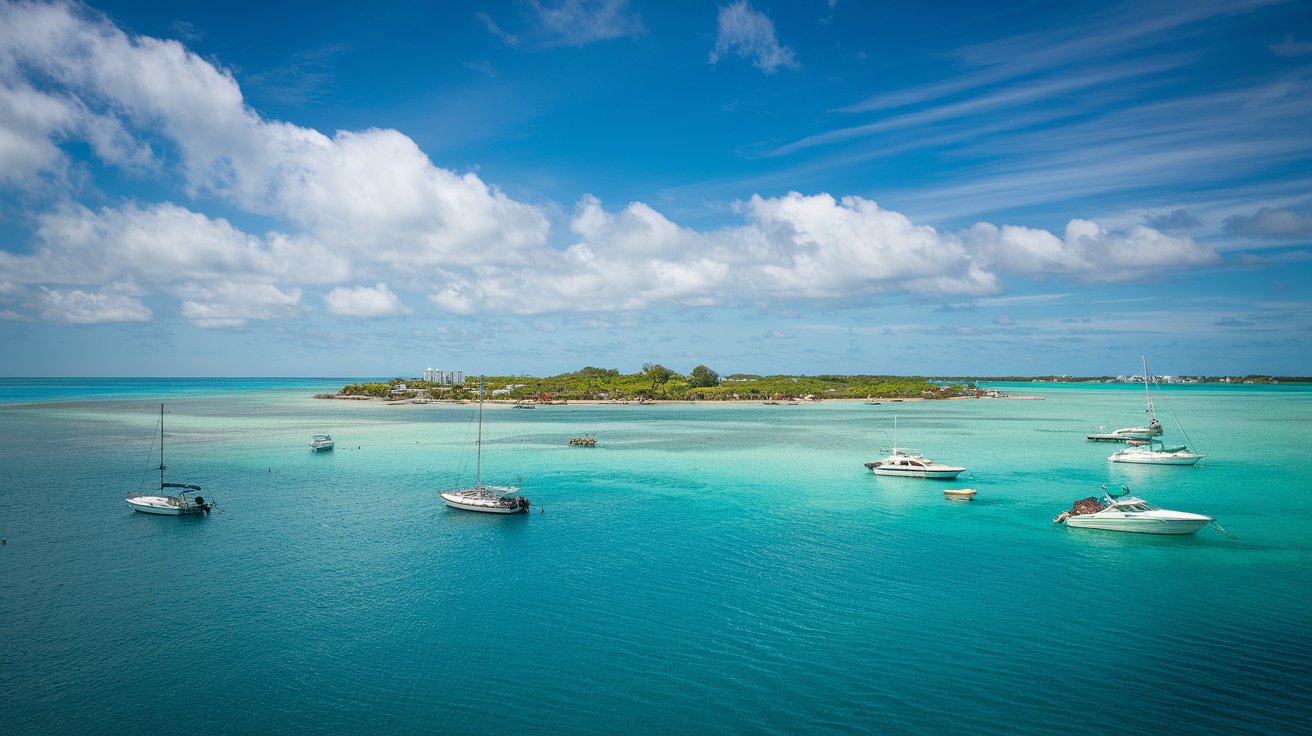
Isla de la Juventud Cuba, formerly known as Isla de Pinos, stands as Cuba’s second-largest island and one of the Caribbean’s most intriguing destinations. Located 100 kilometers south of Havana, this mysterious island combines pristine beaches, fascinating history, and exceptional diving opportunities that attract adventurous travelers seeking an authentic Cuban experience.
Geographic Location and Climate of Isla de la Juventud
Isla de la Juventud is strategically positioned in the Gulf of Batabanó, approximately 62 miles southwest of mainland Cuba. The island spans 2,200 square kilometers, making it the largest island in the Canarreos Archipelago. With coordinates at 21°40’N 82°50’W, this Cuba isla enjoys a tropical climate with average temperatures ranging from 75°F to 85°F year-round.
The island’s unique geography features extensive marshlands in the north, while the southern region boasts beautiful beaches and coral reefs. The Isla de la Juventud Cuba map reveals a fascinating landscape divided into distinct ecological zones, with the Sierra de Casas mountain range providing the island’s highest elevations at 303 meters above sea level.
Best Time to Visit and Weather Patterns
The optimal visiting period for Isla de la Juventud Cuba extends from November through April, when humidity levels decrease and rainfall is minimal. During these months, temperatures average 78°F with gentle trade winds providing natural cooling. The wet season from May to October brings higher humidity and afternoon thunderstorms, though morning hours typically remain pleasant for outdoor activities.
Transportation Access and Getting There
Reaching Isla de la Juventud requires careful planning as commercial flights operate from Havana’s José Martí International Airport to Rafael Cabrera Airport. The 45-minute flight runs twice weekly on Tuesdays and Saturdays. Alternatively, the ferry service from Batabanó port takes approximately 2.5 hours, operating daily except during rough weather conditions when services may be suspended.
Historical Significance and Cultural Heritage
The island’s rich history spans over five centuries, beginning with Christopher Columbus’s arrival in 1494. Originally inhabited by the Siboney indigenous people, Isla de la Juventud Cuba later became a notorious pirate haven, with legends suggesting treasure remains buried in its caves and beaches. The island’s strategic location made it a crucial stopping point for Spanish galleons carrying precious metals from the Americas.
During the 20th century, the island transformed dramatically under different political regimes. Fidel Castro himself was imprisoned here at the Presidio Modelo from 1953 to 1955 following the failed Moncada Barracks attack. This Cuba isla later became a symbol of international solidarity, hosting thousands of foreign students from Africa, Asia, and Latin America during the 1960s and 1970s, earning its current name meaning ‘Island of Youth.’
The Presidio Modelo Prison Complex
The Presidio Modelo represents one of Cuba’s most important historical sites, designed in 1926 based on the Joliet Correctional Center in Illinois. This circular prison complex once held up to 6,000 inmates and now serves as a national monument. Visitors can explore the cell where Castro wrote his famous ‘History Will Absolve Me’ speech, making it a pilgrimage site for those interested in Cuban revolutionary history.
Indigenous and Colonial Archaeological Sites
Archaeological discoveries throughout Isla de la Juventud Cuba reveal extensive pre-Columbian settlements dating back 1,000 years. The Punta del Este cave system contains over 200 pictographs created by the Siboney people, featuring astronomical symbols and spiritual imagery. These caves represent the largest collection of indigenous artwork in the Caribbean, protected as a UNESCO World Heritage consideration site since 2018.
Top Attractions and Things to Do in Isla de la Juventud
Adventure seekers will find countless Isla de la Juventud Cuba things to do, from world-class diving to historical exploration. The island offers 56 official dive sites, including the famous Black Coral Wall, where depths reach 40 meters and visibility extends up to 50 meters. The coral formations here remain largely untouched, providing habitat for over 300 fish species, Caribbean reef sharks, and occasional whale shark sightings.
Land-based activities include exploring the extensive cave systems, with over 800 documented caves throughout the island. Punta Frances National Park covers 6,000 hectares of pristine wilderness, featuring hiking trails through endemic flora including the rare Isla de la Juventud pine trees found nowhere else on Earth.
World-Class Diving and Marine Life
The waters surrounding Isla de la Juventud offer some of the Caribbean’s most pristine diving conditions. The International Diving Center provides PADI certification courses and guided excursions to sites like the Colony wreck, a 120-foot vessel sunk in 1981 that now hosts vibrant coral growth. Water temperatures remain consistently warm at 78-82°F, with visibility often exceeding 100 feet during optimal conditions from December through May.
Beach Activities and Coastal Exploration
The Isla de la Juventud Cuba beach experiences vary from secluded coves to expansive stretches of white sand. Playa Sirena offers 5 kilometers of pristine coastline with gentle waves perfect for swimming and snorkeling. Playa Punta Frances features dramatic limestone cliffs and hidden lagoons accessible only by hiking trails, providing photographers with spectacular sunset viewing opportunities.
Local Culture and Community Life
The approximately 86,000 residents of Isla de la Juventud Cuba maintain a distinct island culture influenced by decades of international student presence. Nueva Gerona, the capital city with 58,000 inhabitants, showcases colonial architecture alongside Soviet-era buildings constructed during the 1970s educational exchange programs. The community celebrates unique festivals including the annual Grapefruit Festival in March, highlighting the island’s citrus industry.
Local artisans specialize in creating jewelry from black coral and conch shells, though visitors should note that black coral products cannot be legally exported from Cuba. The island’s musicians blend traditional Cuban rhythms with influences from African students who studied here, creating a distinctive musical style performed in local venues throughout Nueva Gerona.
Accommodation and Tourism Infrastructure
Tourism infrastructure on Isla de la Juventud Cuba remains deliberately limited to preserve the island’s pristine environment. The Colony Hotel serves as the primary resort, offering 77 rooms with basic amenities and direct beach access. Casa particulares provide authentic homestay experiences, with approximately 40 licensed properties throughout Nueva Gerona offering rates from $25-45 per night in 2025.
Restaurant options focus on fresh seafood and traditional Cuban cuisine, with lobster and grouper being local specialties. The island produces excellent citrus fruits, particularly grapefruits that supply much of Cuba’s domestic market. Visitors should plan to bring sufficient cash, as credit card acceptance remains limited and ATM availability is sporadic outside Nueva Gerona.
Dining and Local Cuisine Specialties
The culinary scene on Isla de la Juventud emphasizes fresh seafood prepared in traditional Cuban styles. Local restaurants serve grilled lobster with garlic and lime, typically priced at $15-20 per serving. The island’s isolation has preserved authentic cooking methods, with many dishes prepared using wood-fired ovens and traditional clay pots that enhance flavors.
Shopping and Local Handicrafts
Shopping opportunities center around locally made crafts and artwork in Nueva Gerona’s central market area. Artisans create unique pieces using materials found only on Isla de la Juventud Cuba, including polished stones from the Sierra de Casas mountains and driftwood sculptures. The weekly market operates Saturdays from 8 AM to 2 PM, featuring fresh produce, handmade soaps, and traditional textiles.
Practical Travel Information and Tips
Planning a visit to Isla de la Juventud Cuba requires understanding specific logistics unique to this destination. Tourist visas obtained in Havana are valid for the island, but visitors must register with local authorities within 24 hours of arrival. Medical facilities include a general hospital in Nueva Gerona with basic emergency services, though serious conditions require evacuation to Havana.
Currency exchange is limited to the Banco Popular branch in Nueva Gerona, operating Monday through Friday from 9 AM to 3 PM. US dollars and Euros are accepted, though the official exchange rate may differ from Havana rates. Internet connectivity remains sporadic, with Wi-Fi available primarily at the Colony Hotel and select government buildings in Nueva Gerona.
Conservation Efforts and Environmental Protection
Environmental conservation plays a crucial role in maintaining Isla de la Juventud Cuba’s pristine ecosystem. The island hosts three protected areas covering 40% of its territory, including the Lanier Swamp National Park with its unique mangrove ecosystems. Marine protected zones restrict fishing and diving in sensitive coral reef areas, helping maintain biodiversity that includes endemic species found nowhere else in the Caribbean.
Sustainable tourism initiatives implemented in 2023 limit daily visitor numbers to diving sites and require certified guides for cave explorations. These measures ensure that Cuba isla ecosystems remain protected while providing authentic experiences for responsible travelers who appreciate unspoiled natural environments.
Related video about isla de la juventud cuba
This video complements the article information with a practical visual demonstration.
Frequently Asked Questions
Why is it called Isla de la Juventud?
The island was renamed Isla de la Juventud (Island of Youth) in 1978 to honor the thousands of young international students who studied there during the 1960s and 1970s. Previously known as Isla de Pinos (Isle of Pines), the name change reflected Cuba’s educational solidarity programs with developing nations, when over 18,000 students from Africa, Asia, and Latin America attended schools on the island.
How do you get to Isla de la Juventud from Cuba?
Access to Isla de la Juventud Cuba is available via two methods: flights from Havana’s José Martí International Airport to Rafael Cabrera Airport (45 minutes, twice weekly) or ferry service from Batabanó port (2.5 hours daily). Flight tickets cost approximately $60-80 USD, while ferry passage costs $15-20 USD. Advanced booking is essential, especially during peak season from December through March.
Can tourists visit Isla de la Juventud?
Yes, tourists can visit Isla de la Juventud Cuba with proper Cuban tourist visas. Visitors must register with local authorities within 24 hours of arrival and can stay at the Colony Hotel or licensed casa particulares. However, tourism infrastructure remains limited compared to mainland Cuba, making advance planning essential for accommodation, transportation, and dining reservations.
What are the best activities on Isla de la Juventud?
Top Isla de la Juventud Cuba things to do include world-class diving at 56 official sites, exploring the Presidio Modelo prison museum, visiting Punta del Este caves with pre-Columbian pictographs, and relaxing on pristine beaches like Playa Sirena. The island offers exceptional opportunities for cave exploration, fishing, and experiencing authentic Cuban culture away from mass tourism.
What is the climate like on Isla de la Juventud?
Isla de la Juventud enjoys a tropical climate with temperatures ranging from 75°F to 85°F year-round. The dry season (November-April) offers the best weather conditions with lower humidity and minimal rainfall. The wet season (May-October) brings higher humidity and afternoon thunderstorms, though mornings typically remain pleasant for outdoor activities and water sports.
Where exactly is Isla de la Juventud located?
Isla de la Juventud is located 100 kilometers (62 miles) southwest of mainland Cuba in the Gulf of Batabanó. As Cuba’s second-largest island, it sits at coordinates 21°40’N 82°50’W and serves as the main island of the Canarreos Archipelago. The island spans 2,200 square kilometers and lies approximately 150 kilometers south of Havana.
| Key Aspect | Important Details | Benefit |
|---|---|---|
| Location | 100km south of Cuba mainland, 2,200 sq km | Pristine, less crowded destination |
| Diving Sites | 56 official sites, 50m visibility, 300+ fish species | World-class underwater experiences |
| Historical Sites | Presidio Modelo prison, pre-Columbian caves | Rich cultural and historical education |
| Best Season | November-April, 75-85°F temperatures | Optimal weather conditions |
| Transportation | Flights twice weekly, daily ferry service | Multiple access options available |