15 Best Cities in Cuba to Visit: Complete 2025 Travel Guide

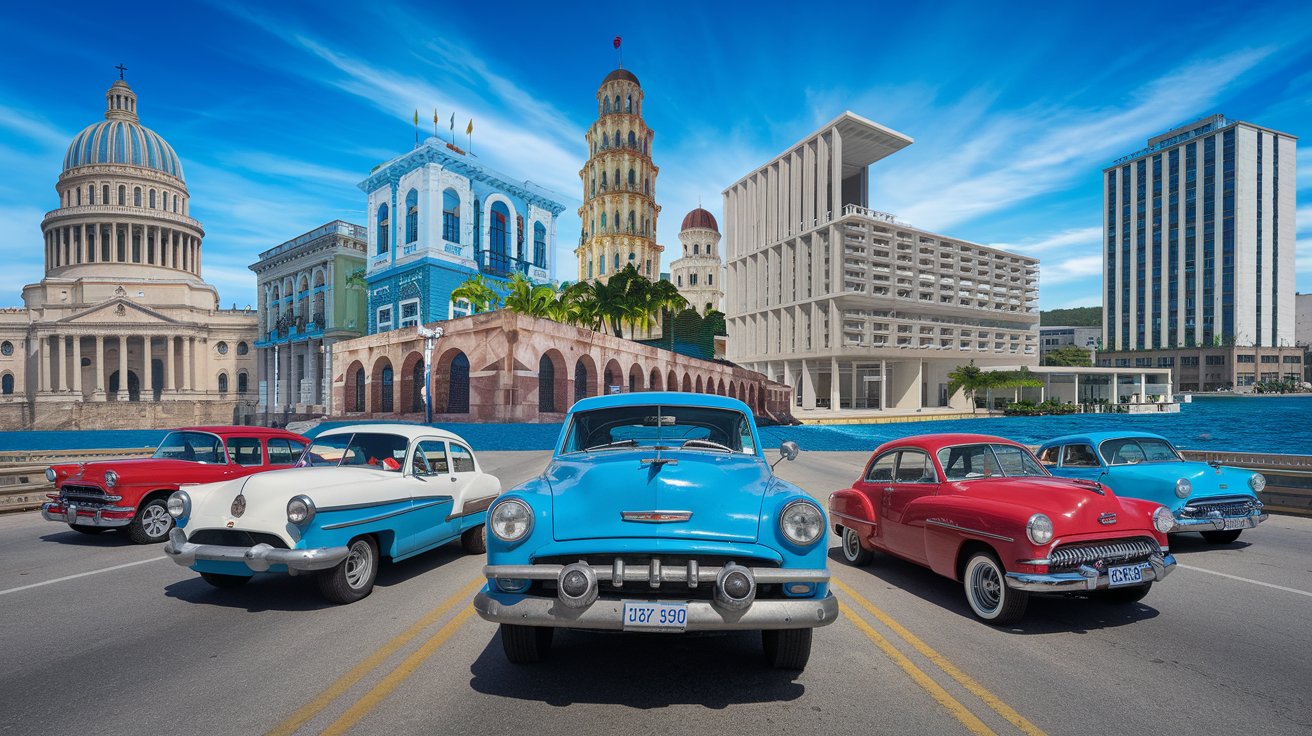
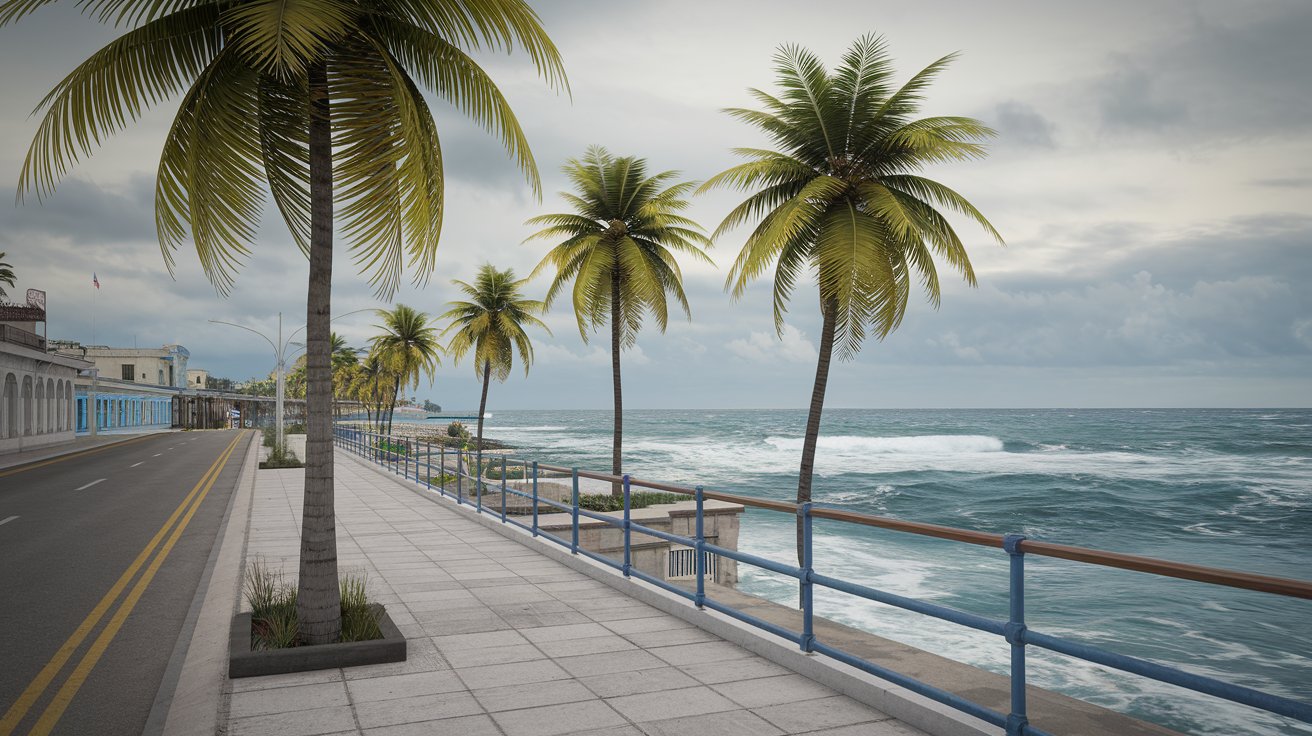
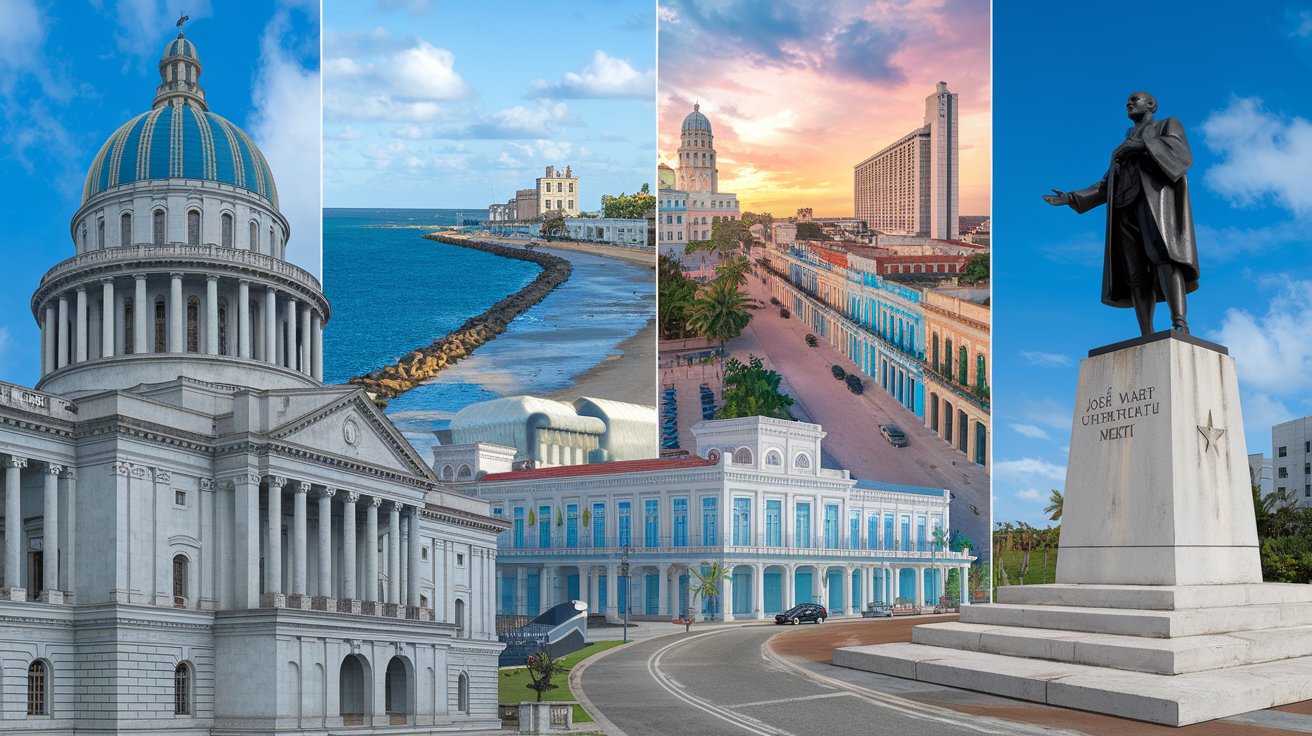
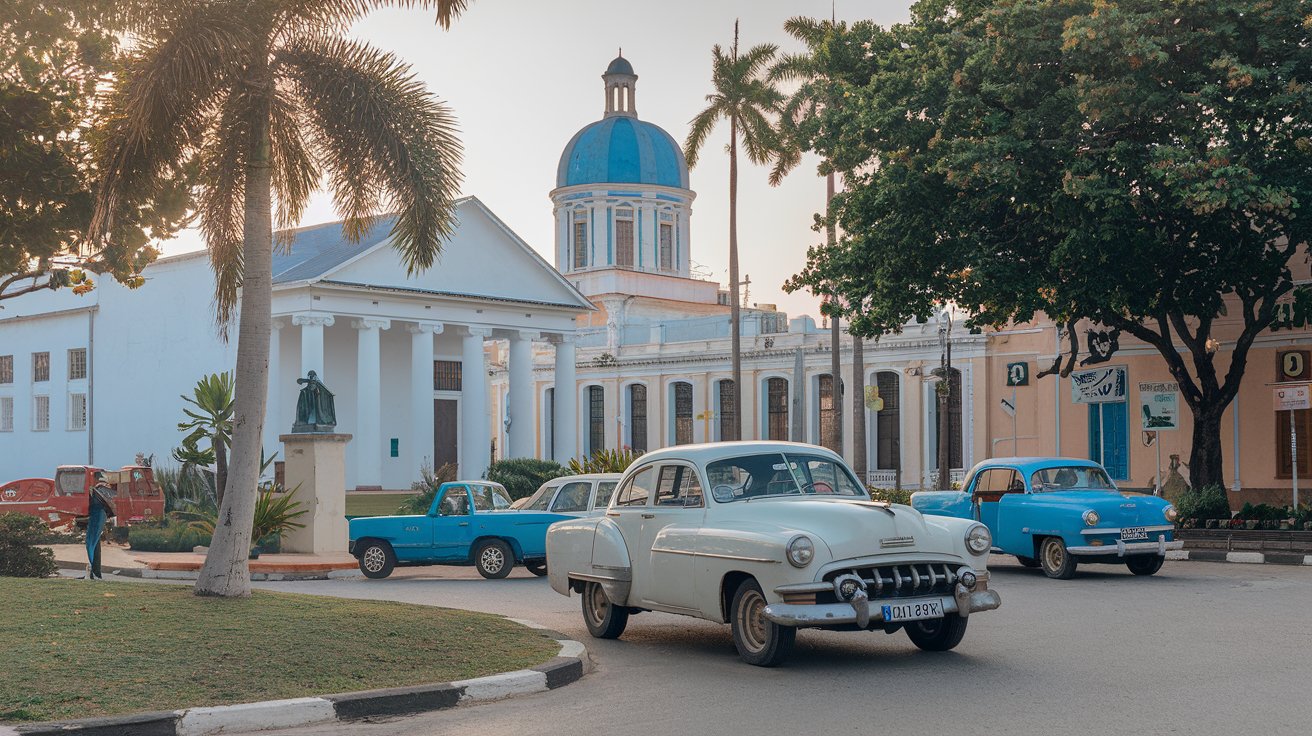
Cuba offers some of the most beautiful cities in the Caribbean, each with unique colonial architecture, vibrant culture, and rich history. From the bustling capital of Havana to the UNESCO World Heritage site of Trinidad, these Cuban destinations provide unforgettable experiences for travelers seeking authentic Caribbean culture and stunning colonial charm. Top Cuban Cities Every Tourist Should Visit The best cities in Cuba to visit offer a perfect blend of colonial architecture, cultural heritage, and Caribbean atmosphere. Each destination provides unique experiences, from world-class museums and historic plazas to pristine beaches and vibrant nightlife. These cities showcase Cuba’s rich history spanning over 500 years of colonial rule and revolutionary heritage. When planning your Cuban adventure, consider that each city in Cuba has distinct characteristics. Havana offers metropolitan energy, Trinidad preserves colonial perfection, and Santiago de Cuba pulses with Afro-Cuban rhythms. Understanding these differences helps travelers choose destinations that match their interests and travel style. Havana: Cuba’s Captivating Capital City Havana stands as Cuba’s most famous place and the ultimate starting point for any Cuban journey. This vibrant capital city of 2.1 million residents combines Old World colonial charm with modern Caribbean energy. The historic Old Havana (Habana Vieja) showcases over 900 historic buildings, earning UNESCO World Heritage status in 1982. The city’s four main districts offer diverse experiences for tourists. Old Havana features cobblestone streets, baroque churches, and colonial mansions. Modern Vedado district houses luxury hotels, restaurants, and the famous Malecón seawall. Centro Habana provides authentic local life, while Miramar offers upscale dining and shopping experiences. Essential Havana Attractions and Experiences Plaza de Armas serves as Havana’s oldest square, surrounded by the Museum of the City and El Templete shrine. The safest place for tourists, this area offers book markets, street performers, and colonial architecture. Nearby, the Capitolio building mirrors Washington D.C.’s Capitol, while the Gran Teatro de La Habana hosts world-class ballet and opera performances. Havana’s Culinary and Nightlife Scene Havana’s paladares (private restaurants) have revolutionized Cuban dining since 2010 economic reforms. Popular venues like La Guarida and Paladar Los Mercaderes serve innovative Cuban cuisine. The city’s nightlife centers around the Tropicana cabaret, jazz clubs in Vedado, and salsa venues where travelers can experience authentic Cuban music and dance culture. Trinidad: Cuba’s Best-Preserved Colonial Gem Trinidad represents the most beautiful place in Cuba for colonial architecture enthusiasts. This UNESCO World Heritage city, founded in 1514, features perfectly preserved 18th and 19th-century buildings with terracotta roofs, wrought-iron balconies, and cobblestone streets. The city’s population of 75,000 maintains traditional crafts, music, and architectural techniques. The historic center spans 7 blocks, creating an intimate atmosphere where every corner reveals colonial treasures. Casa de la Música Trinidad hosts live salsa performances, while the Palacio Brunet museum showcases colonial lifestyle. Trinidad’s small town charm contrasts beautifully with nearby Playa Ancón’s white sand beaches, just 12 kilometers away. Trinidad’s Historic Architecture and Museums Plaza Mayor anchors Trinidad’s historic district, surrounded by pastel-colored colonial mansions and the Church of the Holy Trinity. The Museo Romántico displays 19th-century furnishings, while the Museo de Arquitectura Colonial explains building techniques. These tourist attractions provide deep insights into Cuba’s colonial period and sugar plantation economy. Valley of the Sugar Mills Near Trinidad The Valle de los Ingenios, located 15 kilometers from Trinidad, contains ruins of 75 sugar mills from the 18th-19th centuries. This UNESCO site demonstrates Cuba’s sugar industry history through preserved slave quarters, mill machinery, and the Manaca Iznaga tower. Tourists can explore this valley by vintage steam train or horseback riding tours. Santiago de Cuba: The Cultural Heart of Eastern Cuba Santiago de Cuba, Cuba’s second-largest city with 432,000 residents, serves as the island’s cultural capital and birthplace of son music. This eastern city offers the strongest Afro-Cuban cultural experiences, with vibrant carnival traditions, revolutionary history, and passionate music scene. The city’s mountainous setting provides dramatic backdrops and cooler temperatures. Revolutionary history permeates Santiago, from the Moncada Barracks attack in 1953 to Fidel Castro’s victory speech in 1959. The Santa Ifigenia Cemetery houses national heroes including José Martí and Fidel Castro. Music venues throughout the city showcase traditional son, bolero, and trova performances that make Santiago a must-visit destination for culture enthusiasts. Cienfuegos: The Pearl of the South Cienfuegos, known as ‘La Perla del Sur,’ exemplifies French colonial influence in Cuba with its wide boulevards, neoclassical architecture, and organized urban planning. This beautiful place of 178,000 residents was founded by French colonists in 1819, creating a unique architectural style distinct from Spanish colonial cities. The city’s historic center features Parque Martí, surrounded by important buildings including the Cathedral, Terry Theater, and Government Palace. The Malecón waterfront provides stunning sunset views over Cienfuegos Bay, while nearby Jagua Castle offers historical exploration. Things to do in Cuba here include visiting the Botanical Garden, one of the oldest in Latin America with over 2,000 plant species. Santa Clara: Revolutionary History and University Life Santa Clara combines revolutionary significance with vibrant university atmosphere, creating a unique Cuban experience. This central city in Cuba of 245,000 residents houses the Che Guevara Mausoleum and Museum, commemorating the decisive 1958 battle that sealed Castro’s victory. The university presence brings youthful energy and cultural activities throughout the year. The city center features Parque Vidal, where locals gather for evening socializing and live music. Boulevard pedestrian street offers shopping, restaurants, and nightlife. Santa Clara’s strategic location makes it an excellent base for exploring central Cuba, with easy access to Trinidad, Cienfuegos, and Havana within 2-3 hours by car. Camagüey: Cuba’s Labyrinthine Colonial City Camagüey, Cuba’s third-largest city with 347,000 residents, features a unique irregular street layout designed to confuse pirates during colonial times. This UNESCO World Heritage site preserves the largest historic center in Cuba, with numerous plazas, churches, and colonial mansions. The city’s distinctive clay pottery tradition continues today in local workshops. The historic center contains over 600 blocks of colonial architecture, including 15 main plazas each with distinct character. Plaza San Juan de Dios represents the most beautiful colonial ensemble, while Plaza del Carmen … Leer más