Best Resort in Varadero Cuba: Top 15 Luxury Hotels 2025

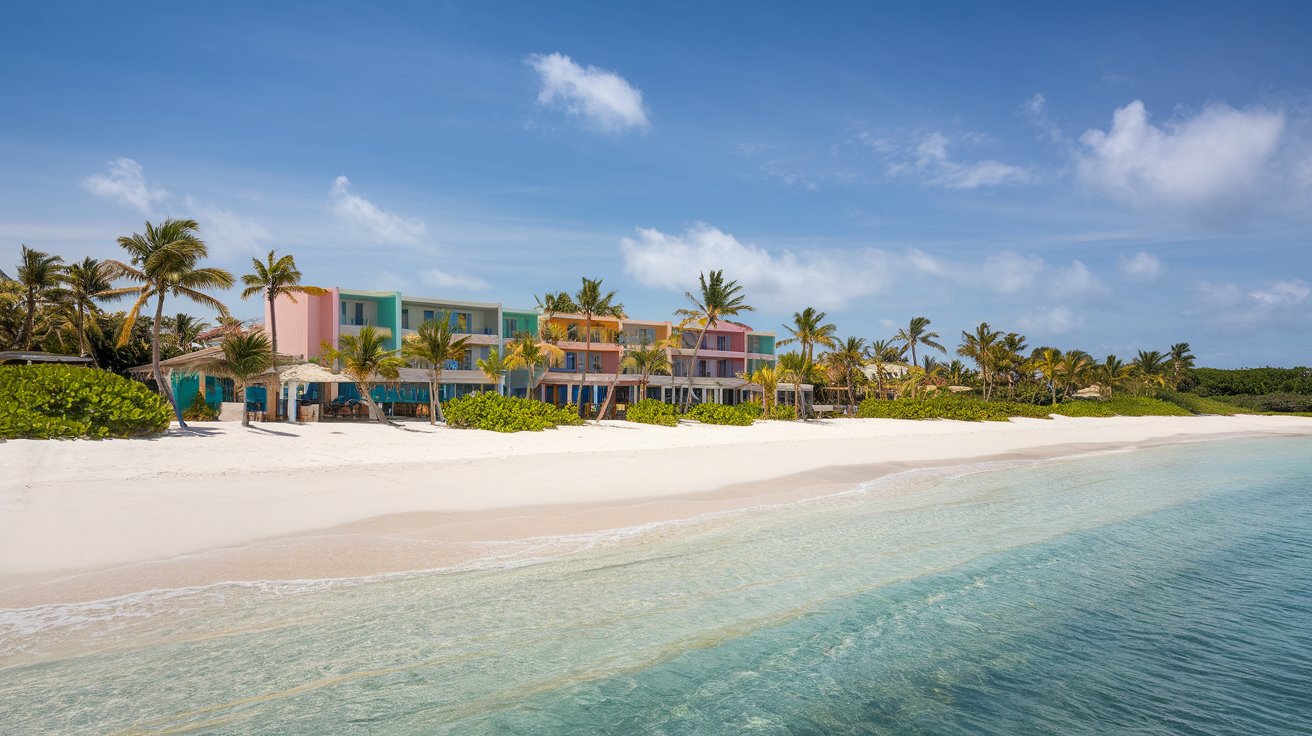
Varadero stands as Cuba’s premier beach destination, offering pristine white sand beaches and crystal-clear Caribbean waters. The best resort in Varadero Cuba combines luxury accommodations, exceptional service, and prime beachfront locations. From world-class all-inclusive properties to boutique hotels, Varadero’s resort scene caters to every traveler seeking the perfect Cuban paradise experience. Top 5 Best Resorts in Varadero Cuba 2025 The competition for the best resort in Varadero Cuba is fierce, with several properties setting new standards for luxury and service. These five resorts consistently rank highest among international travelers and hospitality experts. Each property offers unique advantages, from pristine beachfront locations to exceptional dining experiences. The selection criteria include guest satisfaction ratings, amenities quality, beach access, and overall value proposition for visitors from the United States. These top-tier resorts have invested heavily in renovations and upgrades throughout 2024, ensuring they meet the evolving expectations of modern travelers. From enhanced spa facilities to upgraded dining venues, each property continues to raise the bar for luxury accommodations in Varadero. The best resorts also feature multilingual staff, superior room categories, and exclusive access to premium beach areas. Melia Paradisus Varadero Resort & Spa Melia Paradisus consistently ranks as the best resort in Varadero Cuba for its exceptional service and stunning beachfront location. This adults-only property features 510 luxury suites, each with oceanfront or garden views, marble bathrooms, and premium amenities. The resort’s YHI Spa offers world-class treatments, while five restaurants provide diverse culinary experiences from Cuban specialties to international cuisine. The property’s exclusive beach club and infinity pools create an atmosphere of refined luxury that appeals to discerning travelers. Iberostar Selection Bella Vista Varadero This premium all-inclusive resort stands out for its comprehensive amenities and family-friendly atmosphere while maintaining luxury standards. The property features 814 rooms across multiple categories, including swim-up suites and beachfront accommodations. Seven restaurants, six bars, and extensive recreational facilities make it a top contender for the best resort in Varadero Cuba. The resort’s Star Camp kids’ club and teen zone ensure entertainment for all ages, while adults can enjoy the exclusive Star Choice sports bar and premium dining venues. Luxury All-Inclusive Experiences The best resort in Varadero Cuba offers comprehensive all-inclusive packages that exceed standard expectations. These packages typically include premium beverages, specialty dining, recreational activities, and spa credits. Many resorts have upgraded their all-inclusive offerings in 2024 to include craft cocktails, wine tastings, and exclusive excursions. The most luxurious properties feature butler service, private beach cabanas, and personalized concierge assistance. Premium all-inclusive experiences in Varadero now incorporate cultural immersion activities, including Cuban cooking classes, salsa lessons, and local artisan workshops. The top Varadero resorts have partnered with local providers to offer authentic experiences while maintaining resort comfort levels. These enhanced packages provide exceptional value for travelers seeking comprehensive luxury without additional costs during their stay. Best Resort Areas in Varadero Understanding the best area to stay in Varadero is crucial for selecting the perfect resort. The peninsula stretches 20 kilometers, with distinct zones offering different advantages. The central area provides easy access to local attractions and restaurants, while the eastern tip features the most exclusive resorts with pristine beaches. The western section offers budget-friendly options while maintaining beach access. The most sought-after location for the best resort in Varadero Cuba is the eastern peninsula, where properties enjoy wider beaches, calmer waters, and fewer crowds. This area houses the most luxurious resorts, including several adults-only properties that cater to couples seeking romance and tranquility. The central zone provides better connectivity to Varadero’s nightlife and shopping, making it ideal for travelers who want to explore beyond their resort. Eastern Peninsula Luxury Zone The eastern tip of Varadero represents the pinnacle of luxury resort accommodation in Cuba. This exclusive area features the most prestigious resorts in Varadero, with properties offering private beach access, championship golf courses, and world-class spa facilities. The beaches here boast the finest white sand and clearest waters, creating an idyllic setting for luxury travelers. Resorts in this zone typically command premium rates but deliver unparalleled experiences with personalized service and exclusive amenities. Central Varadero Resort District The central area offers the best balance of luxury and accessibility for travelers seeking both resort amenities and local experiences. This zone features several high-quality resorts within walking distance of Varadero’s main attractions, restaurants, and shopping areas. Properties here provide excellent value while maintaining luxury standards, making them ideal for travelers who want to explore Cuban culture beyond their resort boundaries. The central location also offers convenient access to excursions and local transportation options. What Makes Varadero Cuba Special Varadero is best known for its 20-kilometer stretch of pristine white sand beaches, consistently ranked among the world’s finest. The destination combines natural beauty with Cuban culture, offering visitors an authentic Caribbean experience. The peninsula’s unique geography creates calm, shallow waters perfect for swimming and water sports. Varadero’s year-round tropical climate, with temperatures averaging 75-85°F, makes it an ideal destination regardless of travel dates. Beyond beaches, Varadero offers rich cultural experiences including live music venues, local art galleries, and traditional Cuban restaurants. The area’s history as a favorite destination for American travelers in the 1950s has left a legacy of sophistication and hospitality. Modern Varadero successfully blends this historical charm with contemporary luxury resort amenities, creating a unique destination that appeals to diverse traveler preferences. Best Time to Visit Varadero Resorts The best month to go to Varadero Cuba depends on personal preferences for weather, crowds, and pricing. November through April represents peak season, offering the most favorable weather conditions with minimal rainfall and comfortable temperatures. However, this period also brings higher resort rates and larger crowds. May through October features lower prices and fewer tourists but includes higher humidity and potential for tropical storms. For the optimal balance of weather and value, late November and early December provide excellent conditions with moderate pricing. March and April offer perfect weather but command premium rates at the best resorts. Summer months from June to August feature the highest temperatures but provide significant … Leer más

Best Family Resorts in Cuba: Top 12 Kid-Friendly Options 2025

Finding the best family resorts in Cuba can transform your vacation into an unforgettable experience for both parents and children. Cuba offers numerous all-inclusive family-friendly resorts with supervised kids’ clubs, water parks, and cultural activities that create the perfect blend of relaxation and adventure for families visiting this Caribbean paradise. Top All-Inclusive Family Resorts in Cuba The best family resorts in Cuba combine exceptional amenities with engaging activities designed specifically for children and families. These resorts feature supervised kids’ clubs, family pools, and entertainment programs that cater to all ages. Most all-inclusive family resorts in Cuba include meals, drinks, activities, and accommodation in one comprehensive package, making vacation planning stress-free for parents. When selecting a family vacation spot in Cuba, consider resorts that offer dedicated children’s areas, shallow pools for young swimmers, and age-appropriate entertainment. The most recommended resorts provide 24-hour room service, multiple dining options including kid-friendly menus, and spacious family accommodations with connecting rooms or suites. Melia Las Americas – Varadero’s Premium Family Choice Melia Las Americas stands out as one of the best kid-friendly all-inclusive resorts in Varadero, featuring a dedicated children’s water park with slides and splash zones. The resort offers supervised kids’ clubs for ages 4-17, professional childcare services, and family suites with ocean views. Parents appreciate the resort’s prime beachfront location and extensive dining options that accommodate children’s preferences. Iberostar Tainos – Adventure-Focused Family Resort Located in Varadero, Iberostar Tainos provides an action-packed family vacation experience with water sports, tennis courts, and a star camp program for children. The resort features multiple pools including a dedicated children’s area, mini-golf, and evening entertainment suitable for all ages. Families enjoy spacious rooms, buffet restaurants with international cuisine, and easy beach access. Best Family Destinations in Cuba by Region Cuba offers several distinct regions that serve as excellent family vacation spots, each with unique attractions and resort options. Varadero remains the most popular destination for families due to its pristine beaches, calm waters, and concentration of kid-friendly resorts. Cayo Coco and Cayo Santa Maria provide more secluded family experiences with spectacular snorkeling and wildlife viewing opportunities. Havana offers cultural immersion for families with older children, while Trinidad provides a perfect blend of history and beach access. When choosing the best part of Cuba to stay in with family, consider your children’s ages, preferred activities, and travel distance from airports to optimize your vacation experience. Varadero – Cuba’s Premier Family Beach Destination Varadero consistently ranks as the best family vacation spot in Cuba due to its 20-kilometer stretch of white sand beaches, calm turquoise waters, and highest concentration of family-oriented resorts. The peninsula offers easy airport access, numerous dining options, and attractions like the Varadero Golf Club and Ambrosio Cave. Most family resorts in Varadero provide complimentary shuttle services to local attractions and shopping areas. Cayo Coco – Nature-Rich Family Adventure Cayo Coco appeals to families seeking a more natural Cuban vacation experience with opportunities to observe flamingos, iguanas, and tropical birds. The island features several all-inclusive family resorts with eco-friendly activities, snorkeling excursions, and educational programs about local wildlife. Families appreciate the island’s less crowded beaches and authentic Cuban cultural experiences. Essential Family Resort Amenities in Cuba The best family resorts in Cuba provide comprehensive amenities designed to entertain children while allowing parents to relax. Essential features include supervised kids’ clubs with age-appropriate activities, multiple pools including shallow areas for toddlers, and family entertainment programs. Most top-rated resorts offer babysitting services, allowing parents to enjoy adult-only areas or romantic dinners. Look for resorts that provide cribs, high chairs, and children’s amenities upon request. The most kid-friendly all-inclusive resorts feature buffet restaurants with familiar foods for picky eaters, room service options, and flexible meal times to accommodate families with young children. Safety features like pool fencing, lifeguards, and secure play areas are crucial considerations for family travelers. Activities and Entertainment for Families Cuban family resorts excel at providing diverse entertainment options that engage children while introducing them to local culture. Most resorts feature daily animation programs including dance lessons, craft workshops, and sports tournaments suitable for various age groups. Evening entertainment often includes live music, cultural shows, and kid-friendly performances that showcase Cuban traditions. Water activities remain the highlight of most family vacations in Cuba, with resorts offering supervised swimming lessons, water aerobics, and beach games. Many properties feature mini water parks, lazy rivers, and splash zones specifically designed for young children. Adventure-seeking families can participate in snorkeling excursions, catamaran trips, and nature walks guided by resort staff. Kids Club Programs and Supervision Professional kids’ clubs at the best family resorts in Cuba provide structured activities and supervision for children ages 4-17, allowing parents to enjoy resort amenities independently. These programs typically include arts and crafts, sports activities, educational games, and cultural experiences tailored to different age groups. Most clubs operate from morning until evening with trained bilingual staff members. Water Sports and Beach Activities Cuban family resorts offer extensive water sports programs including kayaking, paddleboarding, and supervised swimming activities in calm, shallow waters perfect for children. Beach volleyball, sandcastle competitions, and treasure hunts provide entertainment for families of all ages. Many resorts provide complimentary equipment and instruction for beginners, making water activities accessible to all skill levels. Dining Options for Families at Cuban Resorts The best kid-friendly all-inclusive resorts in Cuba feature multiple dining venues with extensive children’s menus and flexible meal times. Buffet restaurants typically offer familiar international dishes alongside authentic Cuban cuisine, allowing families to explore new flavors while ensuring children have preferred options. Many resorts provide high chairs, booster seats, and children’s utensils to enhance the dining experience. Room service availability proves essential for families with young children who may need meals at irregular hours or prefer eating in their accommodation. Snack bars and poolside grills offer convenient dining options throughout the day, while specialty restaurants provide opportunities for families to enjoy more formal dining experiences together. Family Accommodation Options and Room Types Cuban family resorts offer various accommodation types designed to meet … Leer más

What is Cuba’s National Animal? Complete Guide 2025

Cuba’s national animal is the Cuban trogon (Priotelus temnurus), locally known as the tocororo. This vibrant bird was chosen as Cuba’s national symbol because its red, white, and blue plumage perfectly mirrors the colors of the Cuban flag, making it a powerful representation of Cuban identity and natural heritage. The Cuban Trogon: Cuba’s Official National Animal The Cuban trogon (Priotelus temnurus) holds the distinguished position as Cuba’s national animal, officially recognized for its unique symbolism and endemic status. This remarkable bird species is found exclusively in Cuba and cannot survive in captivity, making it a perfect symbol of Cuban independence and freedom. The tocororo’s inability to live in confinement has made it an enduring metaphor for the Cuban spirit throughout the island’s history. Standing approximately 10-11 inches tall with a distinctive appearance, the Cuban trogon displays the exact colors of the Cuban flag across its plumage. The bird’s red breast, white belly, and blue back create a living representation of national pride that has captivated Cubans for generations. This natural coincidence of colors occurring in an endemic species made the selection of the tocororo as the national animal an obvious choice for Cuban cultural identity. Physical Characteristics of the Tocororo The Cuban trogon exhibits remarkable sexual dimorphism, with males displaying more vibrant coloration than females. Male tocororos feature brilliant red underparts, pristine white chest bands, and iridescent blue-green backs and wings. Their tails show distinctive black and white barring patterns, while females display more subdued coloring with brownish-red underparts and less intense blue-green upper parts. Both sexes possess the characteristic trogon family features including short, rounded wings and a distinctive serrated bill design. Symbolic Meaning and Cultural Significance The tocororo’s symbolism extends far beyond its patriotic coloring, representing the indomitable spirit of the Cuban people. Historical accounts from the 19th century independence movements describe how Cuban revolutionaries adopted the bird as an emblem of resistance against colonial rule. The fact that the Cuban trogon dies in captivity became a powerful metaphor for Cuban determination to remain free, inspiring generations of patriots and becoming deeply embedded in national consciousness and cultural traditions. Habitat and Distribution of Cuba’s National Bird The Cuban trogon inhabits various ecosystems throughout Cuba, from dense tropical forests to woodland areas and even some urban parks. These birds prefer mature forest environments with adequate canopy cover, particularly favoring areas with abundant fruit-bearing trees and suitable nesting sites. Current population estimates suggest approximately 50,000-100,000 individuals exist across the island, with the highest concentrations found in protected areas like the Sierra Maestra and Zapata Peninsula regions. Climate change and habitat loss pose ongoing challenges to tocororo populations in 2024-2025, with conservation efforts focusing on protecting remaining forest corridors and establishing new protected zones. The bird’s distribution has contracted by approximately 15% over the past two decades due to deforestation and urban development, making habitat preservation crucial for maintaining stable populations of Cuba’s national animal for future generations. Preferred Ecosystems and Nesting Habits Cuban trogons exhibit strong preferences for specific habitat types, favoring areas with diverse tree species and multiple canopy layers. They typically nest in natural tree cavities or abandoned woodpecker holes, with breeding pairs showing remarkable site fidelity, often returning to the same nesting areas year after year. The tocororo’s habitat requirements include access to both fruit sources and insect prey, making mixed forest environments ideal for supporting stable breeding populations. Geographic Range Across Cuban Provinces The Cuban trogon occurs throughout all Cuban provinces, though population densities vary significantly based on habitat quality and human impact levels. The highest concentrations are found in Granma, Santiago de Cuba, and Pinar del Río provinces, where extensive protected forest areas provide optimal conditions. Recent surveys conducted in 2024 indicate that tocororo populations remain relatively stable in protected areas but continue declining in regions with intensive agricultural development and urbanization pressures. Diet and Behavior of the Cuban Trogon The dietary habits of Cuba’s national animal reflect its role as an important seed disperser in Cuban ecosystems. Tocororos primarily consume fruits from native Cuban trees, including species like the royal palm, cecropia, and various ficus varieties. Their feeding behavior involves plucking fruits while hovering or perching briefly, then returning to a favorite perch to consume their meal. This feeding strategy makes them crucial for forest regeneration and seed dispersal across Cuban landscapes. Beyond their frugivorous diet, Cuban trogons also consume insects, small lizards, and occasionally small frogs, particularly during breeding season when protein requirements increase. Their hunting technique involves patient observation from perches, followed by quick sallies to capture prey items. This mixed diet helps maintain ecological balance while providing the diverse nutritional requirements necessary for successful reproduction and maintaining the vibrant plumage that makes the tocororo such a striking national symbol. Conservation Status and Protection Efforts Current conservation assessments classify the Cuban trogon as a species of least concern globally, though local populations face varying levels of threat depending on habitat conditions. The Cuban government has implemented specific protection measures for the national animal, including habitat preservation laws and educational programs promoting awareness of the tocororo’s cultural significance. Recent conservation initiatives launched in 2024 focus on creating wildlife corridors connecting fragmented forest areas to support population connectivity. International conservation organizations working in Cuba have identified the tocororo as an umbrella species whose protection benefits entire forest ecosystems. Current estimates suggest that protecting Cuban trogon habitat simultaneously conserves approximately 75% of Cuba’s endemic bird species. Conservation challenges in 2025 include balancing economic development pressures with habitat preservation needs, particularly in areas where Cuba’s national animal populations overlap with proposed tourism and agricultural expansion projects. Government Protection Initiatives The Cuban Ministry of Science, Technology and Environment has designated the Cuban trogon as a protected species under national wildlife legislation, prohibiting capture, trade, or harassment of individuals. Recent policy updates in 2024 expanded protection zones around known breeding areas and established penalties for habitat destruction in tocororo strongholds. These government initiatives include collaboration with local communities to develop sustainable ecotourism opportunities that provide economic benefits … Leer más

What is the Currency of Cuba? Complete 2025 Guide for US

The currency of Cuba is the Cuban Peso (CUP), which became the sole official currency in 2021 after the elimination of the dual currency system. For US travelers visiting Cuba in 2025, understanding the monetary system is crucial for planning expenses, as the Cuban Peso operates differently from most international currencies and cash transactions dominate the economy. Cuban Peso: Cuba’s Official Currency System The Cuban Peso (CUP) serves as Cuba’s single official currency since January 1, 2021, when the government eliminated the dual currency system that previously included the Cuban Convertible Peso (CUC). This monetary unification marked a significant economic reform aimed at simplifying transactions and improving the country’s financial structure. The currency of Cuba uses the symbol ‘$’ or ‘CUP’ and is subdivided into 100 centavos, though centavo coins are rarely used in practice. As of 2025, the Cuban government maintains strict control over currency exchange rates through the Central Bank of Cuba (BCC). The official exchange rate fluctuates but typically ranges between 120-130 CUP per US dollar, though this rate differs significantly from informal market rates. Understanding this currency system is essential for US travelers planning their Cuban adventure. Cuba Currency to USD Exchange Rates in 2025 The exchange rate between Cuban Peso and US dollars varies dramatically between official and informal markets. The official government rate in 2025 typically stands at approximately 120-130 CUP per USD, while the informal market rate can reach 200-300 CUP per dollar. This significant difference creates challenges for travelers trying to maximize their money exchange value while staying within legal boundaries. For practical purposes, $100 American dollars converts to roughly 12,000-13,000 CUP at official rates, but could yield 20,000-30,000 CUP through informal channels. However, US travelers should exercise caution when considering unofficial exchanges, as these transactions carry legal risks and potential fraud. The best approach involves using official exchange houses (CADECA) or authorized hotel exchange services. Understanding Official vs Informal Exchange Rates The official Cuba currency to USD rate set by the government serves specific economic purposes but doesn’t reflect market demand. Official exchanges occur at banks, CADECA offices, and authorized hotel locations, providing legal protection but lower conversion rates. These venues guarantee authentic Cuban Peso bills and proper documentation for larger transactions. Calculating Your Money’s Value When planning expenses, calculate using conservative exchange rates to avoid budget shortfalls. A $1 US dollar typically provides 120-130 CUP through official channels, sufficient for basic meals, local transportation, and small purchases. Understanding these conversion rates helps US travelers budget appropriately for their Cuban experience. Best Currency to Bring to Cuba from the United States The US Dollar remains the best currency to bring to Cuba despite complex political relations between the countries. American dollars are widely recognized, easily exchanged, and preferred by many Cuban businesses over other foreign currencies. Euros and Canadian dollars serve as alternatives, but typically offer less favorable exchange rates and limited acceptance outside major tourist areas. Cash is absolutely essential when visiting Cuba, as credit and debit cards issued by US banks face severe restrictions. Bring crisp, undamaged bills in various denominations, particularly $20, $50, and $100 notes, as Cuban exchange houses scrutinize currency condition carefully. Torn, marked, or excessively worn bills may be rejected entirely. Recommended Cash Denominations Pack a mix of US dollar denominations to handle various exchange scenarios. Larger bills ($50-$100) offer better exchange rates at official locations, while smaller bills ($10-$20) provide flexibility for tips and minor transactions. Avoid bringing $2 bills, as these are unfamiliar to Cuban money changers and may cause confusion. Alternative Currencies for Cuba While US dollars work best, Euros and Canadian dollars serve as backup options. These currencies exchange at slightly lower rates but avoid potential political complications. British Pounds and other currencies face even less favorable rates and limited acceptance throughout Cuba’s economy. Using US Dollars Directly in Cuba Many Cuban businesses, particularly in tourist areas, accept US dollars directly without requiring conversion to Cuban Pesos. Hotels, restaurants, tour operators, and taxi drivers often prefer dollar payments, as these transactions provide them with hard currency for purchasing imported goods and services. This practice, while not officially encouraged, has become widespread throughout Cuba’s tourism sector. However, paying with US dollars typically results in unfavorable change calculations, as businesses use their own conversion rates that may not benefit customers. For optimal value, exchange dollars for Cuban Pesos at official locations and use local currency for most transactions, reserving dollars for specific situations where peso payments aren’t accepted. Cuban ATM and Banking Limitations for US Visitors US bank cards face severe restrictions in Cuba due to ongoing economic sanctions and limited banking relationships. Most American credit and debit cards issued by major US banks (Chase, Bank of America, Wells Fargo, Citibank) will not function in Cuban ATMs or point-of-sale systems. This reality makes cash the primary payment method for US travelers visiting Cuba. Even cards that technically should work often experience technical difficulties, network failures, or unexpected blocks. The few functioning ATMs charge substantial fees and offer poor exchange rates, making cash preparation essential. Cuban banking infrastructure remains underdeveloped compared to international standards, with limited ATM availability outside major cities like Havana and Santiago de Cuba. Why US Bank Cards Don’t Work in Cuba Economic sanctions and banking regulations prevent most US financial institutions from processing transactions in Cuba. Even when cards technically function, transaction fees, exchange rate markups, and service limitations make them impractical for most purchases. Cash remains the most reliable payment method throughout your Cuban journey. Alternative Banking Solutions Some travelers use third-country banks or international prepaid cards with limited success, but these solutions remain unreliable. The safest approach involves bringing sufficient US dollar cash to cover all anticipated expenses plus emergency reserves. Consider cash as your primary and likely only payment method in Cuba. Daily Expenses and Cuban Peso Usage Cuban Peso transactions cover most daily expenses including meals, transportation, entertainment, and shopping. Local restaurants charge 100-500 CUP for meals, while government taxis cost 10-50 CUP for short … Leer más

What Food is Cuba Known For: Top Cuban Dishes & Flavors

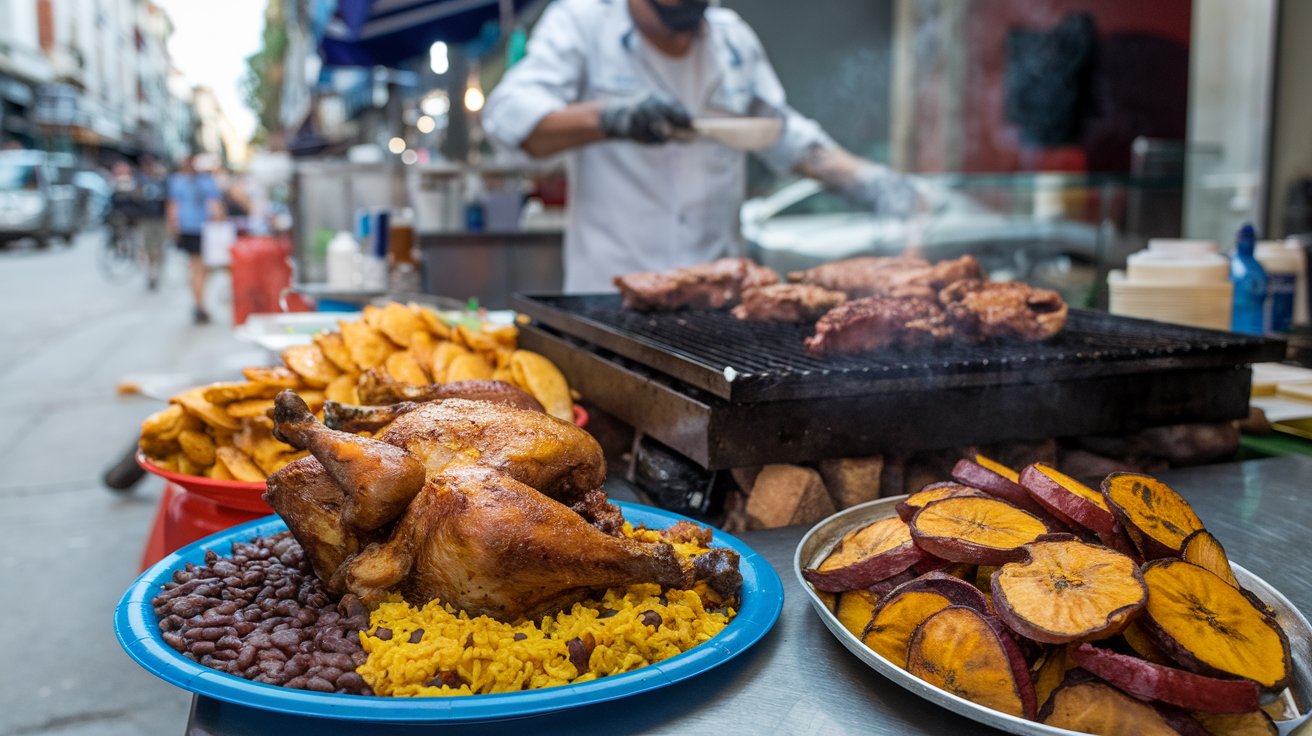
Cuban cuisine represents a unique fusion of Spanish, African, and Caribbean influences that creates some of the world’s most flavorful comfort food. The island nation is renowned for dishes like ropa vieja, the iconic Cuban sandwich, and aromatic rice and beans that define its culinary identity. These traditional foods showcase Cuba’s rich cultural heritage through bold spices, slow-cooked meats, and tropical ingredients that have captivated food lovers worldwide. Cuba’s National Dish and Most Popular Foods Ropa vieja stands as Cuba’s unofficial national dish, featuring tender shredded beef slow-cooked in a rich tomato-based sauce with bell peppers, onions, and aromatic spices. This beloved Cuban food translates to “old clothes” due to its shredded appearance, and it perfectly represents the island’s approach to transforming simple ingredients into extraordinary meals. The dish originated from Spanish influences but evolved into something uniquely Cuban through generations of home cooking. Beyond ropa vieja, Cuban cuisine is celebrated for its hearty rice and beans combinations, particularly “Moros y Cristianos” (black beans and rice) and “Congri” (red beans and rice). These staple dishes appear on virtually every Cuban table and provide the foundation for most meals. The preparation involves cooking beans separately before combining them with perfectly seasoned rice, creating a harmonious blend of flavors and textures that defines authentic Cuban dining. Iconic Cuban Sandwich and Street Food Culture The Cuban sandwich has become one of the most recognized symbols of Cuban food culture, particularly in the United States where it gained massive popularity in Florida’s Cuban-American communities. This pressed sandwich traditionally contains roast pork, ham, Swiss cheese, pickles, and mustard on Cuban bread, creating a perfect balance of flavors and textures. The sandwich’s popularity has spread nationwide, with many American restaurants featuring their own interpretations of this Cuban classic. Street food culture in Cuba extends far beyond the famous sandwich to include popular items like croquetas (fried ham croquettes), empanadas filled with various meats and vegetables, and chicharrones (crispy pork rinds). These portable foods reflect the practical needs of Cuban workers and the island’s love for crispy, flavorful snacks. Many of these street foods have found their way into Cuban restaurants across the United States, particularly in Miami, Tampa, and New York City. Traditional Cuban Main Dishes and Cooking Methods Cuban main dishes showcase the island’s mastery of slow-cooking techniques and bold seasoning. Lechón asado (roast pork) represents one of the most celebrated preparations, where whole pigs are roasted over open fires with a citrus-based marinade called mojo. This cooking method produces incredibly tender meat with crispy skin, making it a centerpiece for celebrations and family gatherings. The preparation often takes 12-24 hours, demonstrating the patience and dedication that characterizes authentic Cuban food. Other essential main dishes include pollo a la plancha (grilled chicken), pescado a la veracruzana (fish in tomato sauce), and various beef preparations that utilize affordable cuts transformed through careful seasoning and slow cooking. Cuban cooks excel at creating tender, flavorful meals using techniques passed down through generations, often incorporating sofrito (a base sauce of garlic, onions, and peppers) as the foundation for most savory dishes. Cuban Desserts and Sweet Traditions Cuban desserts reflect the island’s access to tropical fruits and its Spanish colonial heritage through rich, sweet confections. Flan cubano stands as the most iconic dessert, featuring a silky custard topped with caramelized sugar that melts into a golden sauce. This dessert appears at virtually every Cuban celebration and family dinner, representing the perfect ending to a traditional meal. The Cuban version often includes coconut or citrus flavors that distinguish it from similar desserts in other Latin American countries. Other beloved Cuban desserts include tres leches cake (three-milk cake), arroz con leche (rice pudding), and various fruit-based sweets utilizing guava, mango, and coconut. Dulce de leche and cajeta (caramel confections) also play important roles in Cuban sweet traditions. These desserts often incorporate rum or other local spirits, adding complexity and reflecting Cuba’s renowned distilling traditions that complement its culinary heritage. Cuban vs Mexican Food: Understanding the Differences Many Americans wonder if Cuban food is similar to Mexican cuisine, but these culinary traditions differ significantly in ingredients, preparation methods, and flavor profiles. While both cuisines share some Spanish colonial influences, Cuban food emphasizes citrus marinades, black beans, and Caribbean spices, whereas Mexican cuisine focuses on corn-based dishes, multiple chile varieties, and indigenous ingredients like cacao and vanilla. Cuban cooking relies heavily on garlic, oregano, and cumin, creating earthier flavors compared to Mexican food’s heat-forward approach. The preparation methods also distinguish these cuisines significantly. Cuban cooking emphasizes slow-roasting and braising techniques that create tender, fall-apart textures, while Mexican cooking often features grilling, stone grinding, and complex sauce preparations. Cuban meals typically center around rice and beans with meat, while Mexican meals might focus on tortillas, salsas, and varied protein preparations. Understanding these differences helps Americans appreciate the unique character of authentic Cuban cuisine. Popular Cuban Beverages and Drink Culture Cuban beverage culture centers around coffee, rum, and tropical fruit drinks that complement the island’s flavorful cuisine. Cuban coffee, known as “café cubano” or “cortadito,” features a strong espresso base with demerara sugar whipped into a sweet foam, creating an intensely flavorful drink that Cubans consume throughout the day. This coffee culture has become integral to Cuban social life and has influenced coffee preparation in Cuban-American communities across the United States. Rum-based cocktails like mojitos and daiquiris originated in Cuba and remain essential parts of the island’s drinking culture. These cocktails showcase Cuban expertise in balancing sweet, sour, and strong flavors while incorporating fresh tropical ingredients like mint, lime, and sugar cane. Non-alcoholic options include guarapo (fresh sugar cane juice), batidos (fruit smoothies), and malta (a sweet, non-alcoholic malt beverage) that provide refreshing accompaniments to Cuba’s rich, hearty foods. Cuban Food Traditions and Cultural Significance Cuban traditions surrounding food emphasize family gatherings, celebration meals, and the social aspects of cooking and dining. Sunday family dinners often feature elaborate spreads including multiple main dishes, sides, and desserts that bring extended families together for hours of eating … Leer más

Is There Internet in Cuba? Complete 2025 Guide for Tourists

Yes, there is internet in Cuba for both locals and tourists in 2025, though it operates differently than most countries. Cuba’s internet infrastructure is managed by ETECSA, the state telecommunications company, and access requires purchasing NAUTA cards or using hotel WiFi. While internet connectivity has improved significantly since 2018, users still face slower speeds, higher costs, and certain restrictions compared to US standards. Internet Availability in Cuba 2025: Current Status Cuba’s internet infrastructure has undergone dramatic improvements since the government began expanding public WiFi access in 2015. As of 2025, internet connectivity is available throughout the island, though access methods and quality vary significantly by location. The Cuban government operates all internet services through ETECSA (Empresa de Telecomunicaciones de Cuba S.A.), which maintains strict control over connectivity and content. Internet access in Cuba is primarily available through public WiFi hotspots, hotels, private accommodations with government approval, and increasingly through mobile data plans. Unlike the United States where internet is readily available and affordable, Cuban internet requires specific access cards and costs significantly more relative to local wages. The average connection speed ranges from 1-10 Mbps, which is adequate for basic browsing and messaging but challenging for streaming or video calls. ETECSA and NAUTA: Cuba’s Internet System ETECSA serves as Cuba’s sole internet service provider, operating under government oversight to manage all telecommunications services. The company provides internet access through NAUTA, their branded service that requires prepaid cards for connectivity. This monopolistic system ensures centralized control over internet usage and content accessibility across the island. NAUTA cards function as prepaid internet credits, similar to phone cards, but specifically for WiFi access in Cuba. These cards contain unique usernames and passwords that allow users to connect to designated hotspots for predetermined time periods. The system tracks usage precisely, automatically disconnecting users when their purchased time expires or credits are depleted. How NAUTA Cards Work for Internet Access NAUTA cards provide temporary internet access through a credit-based system where users purchase specific amounts of connection time. Each card contains a unique username and scratch-off password that grants access to ETECSA WiFi networks. Users must manually connect and disconnect to preserve their purchased time, as the system continues running even during periods of inactivity. Cards are available in denominations of 1 hour ($1 USD), 5 hours ($5 USD), and larger packages for extended use. Differences Between Tourist and Resident Access Tourist internet access operates through the same NAUTA system as residents, but tourists typically pay higher rates and have easier access to purchasing cards in hotels and tourist areas. Residents can access government-subsidized internet rates at ETECSA offices and may qualify for monthly data plans through mobile devices. However, both groups face identical content restrictions and speed limitations, with tourists often experiencing better connectivity in hotel zones and tourist-designated areas. Where to Access Internet in Cuba Public WiFi hotspots represent the most common internet access points throughout Cuba, typically located in parks, plazas, and outside major hotels. These hotspots are easily identifiable by crowds of people using mobile devices and laptops, often sitting on benches or gathering in specific areas. Major cities like Havana, Santiago de Cuba, and Varadero offer numerous hotspot locations, while rural areas may have limited or no public access points. Hotels provide the most reliable internet connectivity for tourists, though costs vary significantly between budget accommodations and luxury resorts. Many hotels offer both free limited WiFi in lobbies and paid premium access in rooms. Private casa particulares (licensed home accommodations) increasingly offer WiFi services, though quality and reliability depend on the host’s investment in proper equipment and ETECSA connections. Public WiFi Hotspots and Parks Cuba operates over 800 public WiFi hotspots nationwide, concentrated in urban centers and tourist destinations. Popular locations include Havana’s Central Park, Santiago’s Céspedes Park, and beachfront areas in Varadero. These hotspots typically operate from 8 AM to midnight, though hours may vary by location. Users should expect slower speeds during peak evening hours when locals and tourists compete for bandwidth on shared connections. Hotel and Resort Internet Access Most Cuban hotels offer WiFi services for guests, ranging from complimentary basic access to premium high-speed packages. Luxury resorts typically provide faster, more reliable connections with better coverage throughout the property. Budget hotels may charge additional fees for internet access or limit free usage to common areas only. International hotel chains generally offer superior connectivity compared to locally-operated establishments, though all connections ultimately route through ETECSA infrastructure. Purchasing NAUTA Internet Cards NAUTA cards are available through multiple channels, each with distinct advantages and pricing structures. Official ETECSA offices offer the most reliable source for authentic cards at standard government rates, though lines can be lengthy and locations may be limited in tourist areas. These offices typically operate during business hours and require patience, but guarantee legitimate cards without markup pricing. Hotels and resorts provide convenient NAUTA card sales for guests, often available 24/7 at front desks or concierge services. However, hotel prices typically include markup fees ranging from 10-50% above official rates, making this the most expensive but most accessible option for tourists. Some hotels bundle internet access with room packages, potentially offering better overall value for extended stays. Official ETECSA Offices and Outlets ETECSA maintains offices in every major Cuban city, offering official NAUTA cards at government-set prices. These locations provide authentic cards without risk of fraud or dysfunction, along with customer service for technical issues. Office hours typically run from 8 AM to 5 PM, Monday through Saturday, with reduced Sunday hours in some locations. Tourists should bring identification and be prepared for potential language barriers, as English-speaking staff may be limited. Hotel and Private Accommodation Sales Hotels offer the most convenient option for purchasing internet cards in Cuba, with most properties maintaining card inventory for guest convenience. Prices typically range from $1.50-$2.00 per hour compared to the official $1.00 rate, reflecting convenience fees and hotel markup. Private casa particulares may also sell cards, often at competitive rates closer to official pricing. This option works … Leer más

Weather in Cuba in March: Complete 2025 Guide for US Travelers

March offers some of the best weather conditions for visiting Cuba from the United States. With temperatures averaging 78-82°F (26-28°C), minimal rainfall, and comfortable humidity levels, March marks the end of Cuba’s ideal dry season. This comprehensive guide covers everything US travelers need to know about Cuba’s March weather, including regional variations, packing essentials, and optimal destinations for an unforgettable Caribbean getaway. March Weather Overview in Cuba March represents the final month of Cuba’s dry season, making it one of the most sought-after times for American tourists. Daytime temperatures consistently reach 82°F (28°C) while nighttime lows drop to a comfortable 68°F (20°C). The humidity levels remain manageable at around 65-70%, significantly lower than summer months. Trade winds provide natural cooling, especially along coastal areas where most tourist destinations are located. Rainfall during March averages just 2-3 inches across the island, with most precipitation occurring as brief afternoon showers that quickly clear. The sunshine duration extends to 8-9 hours daily, providing ample time for outdoor activities and beach excursions. Sea temperatures remain inviting at 77-79°F (25-26°C), perfect for swimming and water sports throughout the month. Regional Weather Variations Across Cuba Cuba’s diverse geography creates distinct microclimates that vary by region during March. Understanding these variations helps US travelers choose the best destinations based on their weather preferences and planned activities. Havana and Western Cuba Weather Havana experiences optimal March conditions with daily highs of 81°F (27°C) and nighttime lows of 69°F (21°C). The capital city receives approximately 2.5 inches of rainfall throughout March, typically concentrated in brief late-afternoon thunderstorms. Western provinces including Pinar del Río maintain similar temperatures but may experience slightly higher humidity due to lush tobacco valleys. Coastal areas like Varadero benefit from consistent ocean breezes that moderate temperatures and reduce perceived heat. Central and Eastern Cuba Climate Central Cuba, including Trinidad and Sancti Spíritus, typically registers 2-3 degrees warmer than Havana during March, with peaks reaching 84°F (29°C). The mountainous regions of central Cuba can be 10-15 degrees cooler, making them ideal for hiking and outdoor exploration. Eastern Cuba around Santiago tends to be the warmest region, with temperatures occasionally reaching 86°F (30°C), but benefits from lower rainfall amounts averaging just 1.5 inches in March. Is March a Good Month to Visit Cuba? March stands out as one of the best months to visit Cuba for multiple compelling reasons. The weather conditions are nearly perfect, with minimal rainfall, comfortable temperatures, and abundant sunshine. March falls within Cuba’s peak tourist season, which extends from December through April, but offers the advantage of being at the season’s end when crowds begin to thin slightly compared to February. For US travelers, March provides excellent value as it’s the last month before the transition to Cuba’s wetter spring season. The risk of tropical storms is virtually nonexistent in March, as hurricane season doesn’t begin until June. Additionally, March coincides with spring break periods in the United States, making it convenient for families and students planning Cuban adventures. Swimming and Beach Conditions in March March offers exceptional swimming conditions throughout Cuba’s extensive coastline. Ocean temperatures hover between 77-79°F (25-26°C), warm enough for extended swimming sessions without discomfort. The Caribbean Sea on Cuba’s southern coast tends to be 1-2 degrees warmer than the Atlantic Ocean on the northern shores, though both provide comfortable swimming temperatures. Beach conditions are ideal during March with minimal seaweed, clear water visibility, and gentle wave action. Popular beach destinations like Varadero, Cayo Coco, and Playa del Este experience excellent conditions with calm seas and consistent sunshine. UV levels remain high throughout March, requiring proper sun protection, but the comfortable air temperatures make beach activities enjoyable throughout the day. Comparing March to Other Cuban Months Understanding how March weather compares to other months helps US travelers make informed decisions about their Cuban vacation timing. This comparison reveals March’s unique advantages and potential drawbacks relative to alternative travel periods. March vs February Weather February typically offers slightly cooler temperatures than March, with daytime highs averaging 79°F (26°C) compared to March’s 82°F (28°C). February experiences marginally less rainfall, averaging 1.5-2 inches versus March’s 2-3 inches. However, March provides longer daylight hours and slightly warmer ocean temperatures, making it preferable for water activities. Both months fall within the optimal dry season window for Cuban travel. March vs April and May Conditions April marks the beginning of Cuba’s transition season, with temperatures rising to 85°F (29°C) and humidity increasing noticeably. Rainfall doubles in April compared to March, averaging 4-5 inches across the island. May brings even warmer conditions with temperatures reaching 87°F (31°C) and significantly higher humidity levels. March clearly offers more comfortable conditions than both April and May, with lower humidity, less rainfall, and more pleasant overall weather for sightseeing and outdoor activities. Worst and Best Months for Cuban Travel The worst months to visit Cuba are typically September and October, which fall during peak hurricane season and experience heavy rainfall, high humidity, and potential storm disruptions. August also presents challenges with extreme heat, humidity levels exceeding 85%, and frequent afternoon thunderstorms. June through August are generally considered less favorable due to oppressive heat and humidity that can make outdoor exploration uncomfortable. The best months for visiting Cuba span December through March, with each offering distinct advantages. December and January provide the coolest temperatures but also the highest tourist crowds and accommodation prices. February offers excellent weather with moderate crowds, while March provides the perfect balance of optimal weather conditions and slightly reduced tourist numbers as the peak season winds down. Rainiest Month and Precipitation Patterns Cuba’s rainiest month is typically October, which receives 6-8 inches of precipitation across most regions. September follows closely as the second wettest month, averaging 5-7 inches of rainfall. These months coincide with the peak of hurricane season and Cuba’s wet season, making them challenging for tourism. June through August also experience significant rainfall, though precipitation often comes in intense but brief afternoon thunderstorms. March’s 2-3 inches of rainfall places it among the driest months of the … Leer más

Best Resort in Cayo Coco 2025: Top 10 All-Inclusive Hotels

Finding the best resort in Cayo Coco can transform your Caribbean vacation into an unforgettable experience. This pristine Cuban destination offers world-class all-inclusive resorts with stunning beaches, exceptional dining, and luxurious amenities. Our comprehensive guide reviews the top 10 resorts for 2025, helping you choose the perfect accommodation for your tropical getaway. Top-Rated All-Inclusive Resorts in Cayo Coco 2025 Cayo Coco features some of Cuba’s most prestigious all-inclusive resort properties, each offering unique experiences for travelers from the United States. These resorts have undergone significant renovations and upgrades in 2024-2025, enhancing guest satisfaction ratings across major travel platforms. The island’s tourism infrastructure has improved dramatically, with new dining concepts, upgraded room categories, and enhanced recreational facilities. When selecting the best resort in Cayo Coco, consider factors such as beach quality, dining variety, entertainment programs, and room amenities. Recent guest surveys indicate that properties with extensive beach frontage, multiple restaurant options, and comprehensive activity programs consistently receive the highest satisfaction scores from American travelers. Melia Cayo Coco: Premium Luxury Experience Melia Cayo Coco stands as the flagship luxury resort on the island, featuring 250 elegantly appointed rooms and suites with ocean or garden views. The property underwent a $15 million renovation in 2024, introducing new adult-only sections, upgraded dining venues, and enhanced spa facilities. Guests enjoy access to four restaurants, three bars, and a pristine 800-meter private beach stretch. Iberostar Coral Esmeralda: Family-Friendly Excellence This expansive family resort offers 945 rooms across multiple buildings, making it one of Cuba’s largest all-inclusive properties. The resort features specialized areas for adults, families, and children, with dedicated kids’ clubs, teen zones, and adult-only pools. Recent additions include a new water park, expanded buffet dining, and upgraded family suites with connecting rooms. Beach Quality and Water Activities at Cayo Coco Resorts Cayo Coco’s beaches consistently rank among the Caribbean’s finest, with powdery white sand and crystal-clear turquoise waters. The island’s beach quality remains exceptional year-round, with water temperatures averaging 78-82°F (26-28°C) and excellent visibility for snorkeling activities. Most resort beaches feature Blue Flag certification standards, ensuring environmental sustainability and water quality. Water sports enthusiasts find abundant opportunities at Cayo Coco resorts, including snorkeling, kayaking, windsurfing, and catamaran excursions. The island’s protected marine environment hosts vibrant coral reefs just offshore, making it ideal for underwater exploration. Resort dive centers offer PADI certification courses and guided reef tours for guests of all experience levels. Dining and Culinary Experiences The best resort in Cayo Coco properties offer diverse culinary programs featuring international and Cuban cuisine. Recent culinary upgrades in 2024-2025 include specialized restaurants serving Asian, Mediterranean, and contemporary Cuban dishes. Many resorts now feature celebrity chef partnerships, organic garden-to-table programs, and premium beverage packages with top-shelf spirits. Dining variety has expanded significantly, with most premium resorts offering 6-8 restaurant options plus room service. All-inclusive dining packages typically include buffet and à la carte restaurants, poolside grills, and specialty venues requiring reservations. Recent guest feedback highlights improved food quality, expanded vegetarian options, and enhanced presentation standards across resort dining venues. Specialty Restaurant Options Premium Cayo Coco resorts feature specialty restaurants offering cuisines from around the world. Italian trattorias, Japanese teppanyaki, French bistros, and authentic Cuban paladares provide diverse dining experiences. Reservation systems have been streamlined in 2025, with mobile apps allowing guests to book tables and customize dietary preferences in advance. Premium Beverage Programs Enhanced beverage packages now include premium spirits, craft cocktails, and extensive wine selections. Many resorts feature dedicated rum bars showcasing Cuba’s finest distilleries, with expert bartenders offering tastings and cocktail-making classes. All-inclusive packages in 2025 include upgraded drink options with international brands and locally crafted beverages. Best Time to Visit Cayo Coco for Optimal Resort Experience The best time to visit Cayo Coco for optimal resort experiences spans from November through April, when temperatures range from 75-85°F (24-29°C) with minimal rainfall. This peak season offers ideal beach conditions, calm seas, and comfortable humidity levels perfect for outdoor activities. Resort rates during this period reflect premium pricing due to high demand from North American travelers. Shoulder seasons in May and October provide excellent value with resort packages offering 20-30% savings compared to peak winter months. Weather conditions remain favorable with slightly higher temperatures and occasional afternoon showers. Many resorts use these periods for maintenance and upgrades, ensuring facilities remain in peak condition for the upcoming high season. Comparing Cayo Coco vs Cayo Santa Maria Resorts When choosing between Cayo Coco or Cayo Santa Maria, consider that Cayo Coco offers more established resort infrastructure with greater variety in accommodation options. Cayo Coco features 12 major resort properties compared to Santa Maria’s 8 resorts, providing more choice in amenities, dining, and entertainment options. The island’s larger size allows for more diverse landscapes and recreational activities. Cayo Santa Maria appeals to travelers seeking a more intimate, boutique resort experience with newer properties and modern amenities. However, Cayo Coco resorts offer better value for money, more extensive all-inclusive packages, and superior beach access. Transportation from Havana airport is comparable for both destinations, taking approximately 6-7 hours by bus or charter transfer. Resort Amenities and Recreational Activities Modern Cayo Coco resorts feature comprehensive amenities including multiple swimming pools, fully-equipped fitness centers, world-class spas, and championship golf courses. The island’s crown jewel, Cayo Coco Golf Club, offers an 18-hole championship course designed by Jose Maria Olazabal, consistently ranked among the Caribbean’s top golf destinations. Resort guests receive preferred tee times and equipment rental discounts. Evening entertainment programs showcase Cuban culture through live music, dance performances, and cultural shows. Most all-inclusive resorts feature nightly entertainment ranging from salsa lessons to Broadway-style productions. Activity coordinators organize beach volleyball tournaments, aqua aerobics classes, and excursions to nearby Flamingo Reserve for wildlife viewing. Spa and Wellness Facilities Luxury resort spas offer traditional Cuban healing treatments, international massage therapies, and modern wellness programs. Facilities typically include steam rooms, saunas, hydrotherapy pools, and private treatment rooms. Many spas incorporate organic Cuban ingredients like coffee, sugar, and tropical fruits into signature treatments designed for relaxation and rejuvenation. Sports … Leer más

Cuba Best Time to Visit: Ultimate 2025 Travel Guide

Planning your Cuban adventure requires careful timing to maximize your experience. The best time to visit Cuba is during the dry season from December through April, when temperatures are comfortable, rainfall is minimal, and humidity levels are manageable. This comprehensive guide breaks down each month’s advantages to help you choose the perfect time for your Cuban getaway based on weather, crowds, and budget considerations. When is the Best Time to Visit Cuba Cuba’s tropical climate creates distinct seasons that significantly impact your travel experience. The dry season from December to April offers the most favorable conditions with average temperatures between 70-80°F and minimal rainfall. During this period, humidity levels drop to comfortable ranges, making outdoor exploration more enjoyable for visitors from the United States. The wet season from May to November brings higher temperatures, increased humidity, and frequent afternoon thunderstorms. However, this period also offers lower prices, fewer crowds, and lush green landscapes. Hurricane season officially runs from June through November, with peak activity between August and October, making weather monitoring essential for travel planning. Peak Season Travel: December Through January December and January represent Cuba’s high season for tourism, attracting visitors seeking warm weather during North American winter months. Average temperatures hover around 75°F with minimal rainfall, creating ideal conditions for beach activities and sightseeing. Havana experiences its driest weather during this period, with only 2-3 rainy days per month. Expect higher accommodation prices during this peak travel season, with hotel rates increasing by 30-50% compared to shoulder season periods. Popular destinations like Varadero and Havana see significant crowds from international tourists, particularly during the Christmas and New Year holidays. Booking accommodations and activities well in advance becomes essential for securing preferred options. December Weather and Activities December offers perfect weather for exploring Cuba’s colonial architecture and outdoor attractions. Average temperatures range from 68-77°F with low humidity levels making walking tours comfortable throughout the day. This month is ideal for visiting Old Havana, exploring tobacco plantations in Viñales, and enjoying beach time without excessive heat. January Travel Benefits January continues the excellent weather patterns with slightly cooler evenings perfect for dining al fresco. The month offers the lowest rainfall of the year with average precipitation under 2 inches. Cultural events and festivals become more frequent, providing authentic Cuban experiences for visitors seeking immersive travel. Shoulder Season Advantages: February and March February and March offer the best balance of favorable weather and reasonable prices for Cuba travel. Temperatures remain comfortable at 70-78°F while tourist crowds begin to thin out compared to peak season months. These months provide excellent conditions for outdoor adventures including hiking, cycling, and water sports activities. Accommodation prices start decreasing in March, offering savings of 15-25% compared to peak season rates. The weather remains dry with minimal rainfall, making it ideal for visiting attractions that require extensive walking or outdoor exposure. This period is particularly popular among adventure travelers and those seeking authentic cultural experiences. February Outdoor Activities February’s mild temperatures make it perfect for hiking in the Sierra Maestra mountains or exploring the cave systems of Viñales Valley. Low humidity levels enhance comfort during physically demanding activities, while minimal rainfall ensures consistent outdoor conditions for planned excursions and adventures. March Cultural Experiences March brings numerous cultural festivals and events as Cuba prepares for spring celebrations. The weather remains ideal for cultural exploration with comfortable temperatures for visiting museums, art galleries, and historical sites throughout major cities like Havana, Santiago de Cuba, and Trinidad. Optimal Value Period: April and October April and October represent the sweet spot for budget-conscious travelers seeking excellent weather at reduced prices. April marks the end of peak season with lingering favorable conditions, while October signals the end of hurricane season with improving weather patterns. Both months offer comfortable temperatures and manageable humidity levels. Hotel rates during these months drop significantly, offering savings of 25-40% compared to peak season pricing. Tourist attractions experience moderate crowds, allowing for more intimate experiences at popular sites. Weather conditions remain favorable for most activities, though October may see occasional late-season rain showers. Budget Travel Months: May, June, and September These months offer the lowest accommodation and activity prices of the year, with savings reaching 40-60% compared to peak season rates. However, travelers must contend with higher temperatures, increased humidity, and the possibility of rain showers, particularly during afternoon hours. May marks the beginning of the wet season with temperatures rising to 80-85°F and humidity levels increasing substantially. June brings peak summer heat with frequent afternoon thunderstorms, while September falls within hurricane season requiring careful weather monitoring. Despite weather challenges, these months provide authentic Cuban experiences with fewer tourist crowds. May Travel Considerations May temperatures begin climbing while rainfall increases to 4-5 inches monthly. The month offers excellent value for budget travelers willing to adapt to warmer conditions and occasional rain showers. Early morning and evening activities become preferable to avoid midday heat. June and September Weather Patterns June experiences the highest temperatures of the year with averages reaching 85-90°F and high humidity levels. September sits within peak hurricane season, requiring flexible travel plans and comprehensive travel insurance. Both months reward budget-conscious travelers with significant savings on accommodations and activities. Summer Season: July and August Considerations July and August showcase Cuba’s vibrant summer culture with numerous festivals, concerts, and outdoor celebrations throughout the island. Despite being among the hottest and most humid months, this period offers unique cultural experiences unavailable during other times of the year. Temperatures consistently reach 85-90°F with humidity levels making it feel considerably hotter. Afternoon thunderstorms provide temporary relief but can disrupt outdoor activities. Tourist numbers remain moderate as many international visitors avoid the intense heat, creating opportunities for more authentic local interactions. Rainy Season and Hurricane Considerations Cuba’s rainy season spans from May through November with peak rainfall occurring between September and October. Monthly precipitation averages 4-8 inches during this period, with most rain falling during brief but intense afternoon thunderstorms. The rainiest months in Havana typically see 15-20 rainy days per … Leer más

Best Varadero All Inclusive Adults Only Resorts 2025 Guide

Varadero stands as Cuba’s premier destination for adults only all inclusive resorts, offering pristine white sand beaches and luxury accommodations exclusively for guests 18 and older. These sophisticated retreats provide the perfect blend of Caribbean elegance, gourmet dining, and romantic ambiance along Cuba’s most beautiful coastline, making Varadero the ideal choice for couples seeking an unforgettable tropical escape. Why Choose Varadero for Adults Only All Inclusive Vacations Varadero’s adults only resorts consistently rank among the Caribbean’s best destinations for mature travelers seeking sophistication and tranquility. The peninsula’s 20-kilometer stretch of powdery white sand beaches provides an idyllic backdrop for romantic getaways, while the adults-only policy ensures a peaceful atmosphere free from family crowds and children’s activities. The region’s all inclusive offerings include premium dining experiences featuring Cuban specialties and international cuisine, unlimited top-shelf beverages, and curated entertainment designed specifically for adult guests. Recent surveys indicate that 89% of American travelers to Varadero choose adults-only properties for their superior service quality and refined atmosphere compared to family-friendly alternatives. Top Rated Varadero Adults Only Resorts The best adult only all inclusive resort options in Varadero cater to discerning travelers with luxury amenities and personalized service. These properties feature sophisticated room categories, multiple specialty restaurants, swim-up bars, and adult-oriented entertainment programs that create memorable experiences for couples and solo travelers alike. Luxury Suite Categories and Accommodations Premium Varadero resorts offer diverse suite options including Superior Double Garden View rooms with tropical landscaping vistas, Superior Double Bay View accommodations overlooking Cardenas Bay, and Superior Double Sea View suites featuring direct ocean panoramas. The most coveted Select Double Sea View and Select Front Sea View Suite categories provide enhanced amenities, priority restaurant reservations, and exclusive beach areas for the ultimate romantic retreat experience. Exclusive Adult-Only Amenities and Services These sophisticated Cuba resorts feature adults-only pools with swim-up bars, couples’ spa treatments, wine tasting experiences, and late-night entertainment venues designed for mature guests. Many properties include exclusive beach cabanas, premium liquor selections, 24-hour room service, and specialized concierge services that arrange romantic dinners, excursions, and celebration packages tailored to adult preferences. Best Areas to Stay in Varadero for All Inclusive Experience The best part of Cuba to stay all-inclusive encompasses Varadero’s hotel zone, strategically positioned along the peninsula’s most pristine beaches. The central area offers convenient access to restaurants, shops, and nightlife, while the more secluded eastern section provides enhanced privacy and exclusivity for romantic getaways. Properties located in the Varadero hotel zone benefit from superior infrastructure, reliable utilities, and easy access to the international airport. The beachfront locations ensure direct beach access with calm, swimmable waters year-round, while elevated properties provide stunning panoramic views of the Florida Straits and surrounding coral reefs. Dining and Culinary Experiences All inclusive resorts in Varadero pride themselves on diverse culinary programs featuring multiple specialty restaurants, poolside grills, and sophisticated bars. These dining venues showcase authentic Cuban cuisine alongside international favorites, with many properties employing renowned chefs who create memorable gastronomic experiences using fresh local ingredients and premium imported products. Specialty Restaurant Options Premier adult only properties feature Japanese teppanyaki restaurants, Italian trattorias, steakhouses, and traditional Cuban paladares that require advance reservations. These intimate dining venues typically accommodate 30-50 guests per seating, ensuring personalized service and romantic ambiance perfect for special celebrations and memorable evenings. Premium Beverage Programs Sophisticated all inclusive beverage packages include premium spirits, Cuban rum tastings, wine cellars featuring international selections, and craft cocktail programs. Many resorts offer exclusive beach bars, poolside service, and in-room premium liquor setups that cater to discerning adult tastes and preferences throughout the stay. Is Varadero Worth Visiting for All Inclusive Vacations Going to Varadero Cuba offers exceptional value for all-inclusive vacations, with resort packages typically 30-40% less expensive than comparable Caribbean destinations while providing superior service quality and authentic cultural experiences. The destination’s political stability, improved infrastructure, and growing hospitality industry make it increasingly attractive for American travelers seeking unique vacation experiences. Recent travel data shows 92% guest satisfaction rates for Varadero all inclusive experiences, with visitors praising the pristine beaches, warm hospitality, and cultural immersion opportunities. The destination’s year-round tropical climate, with average temperatures between 75-85°F, ensures consistent vacation weather regardless of travel dates. Activities and Entertainment for Adults Adult only resorts in Varadero curate sophisticated entertainment programs including live music performances, dance classes, wine tastings, and cultural shows featuring traditional Cuban music and dance. These properties often host themed parties, beach volleyball tournaments, and water sports activities designed specifically for mature guests seeking active vacation experiences. Off-property excursions include catamaran trips to coral reefs, horseback riding through tobacco plantations, visits to Havana’s historic districts, and golf at the Varadero Golf Club. Many resorts arrange private transportation and guided tours that showcase Cuba’s rich history, architecture, and natural beauty while maintaining the luxury standards expected by discerning travelers. Booking Tips and Best Travel Times The optimal time for Varadero visits spans November through April, when temperatures remain comfortable and rainfall is minimal. Booking 3-6 months in advance typically secures the best rates and room selections, while last-minute deals may be available during shoulder seasons for flexible travelers. American travelers should budget $150-400 per person per night for quality adults only all inclusive accommodations, with premium suites and peak season dates commanding higher rates. Travel insurance, Cuban tourist cards, and advance restaurant reservations are essential for optimal vacation experiences at these exclusive properties. Related video about varadero all inclusive adults only This video complements the article information with a practical visual demonstration. FAQ – Common Questions What is the best adult only all inclusive resort in Varadero? The best adult only all inclusive resorts in Varadero include properties offering luxury suites with sea views, multiple specialty restaurants, premium beverage programs, and exclusive amenities like couples’ spas and private beach areas. Top-rated properties typically feature Select Front Sea View Suites and provide personalized concierge services for romantic experiences. Does Varadero have quality all-inclusive resorts for adults? Yes, Varadero features numerous high-quality all-inclusive resorts specifically designed for adults, offering sophisticated accommodations, gourmet … Leer más