Which Currency Does Cuba Use? Complete 2025 Guide for Americans
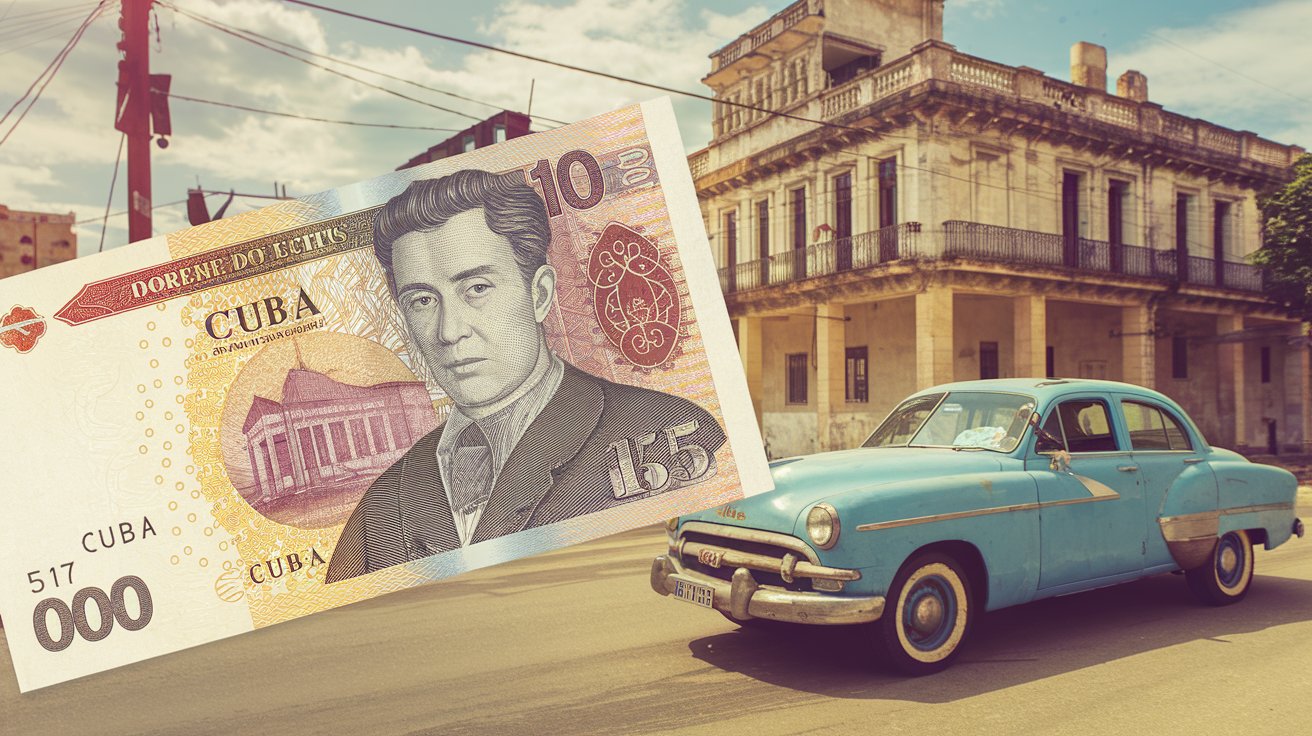
Cuba officially uses the Cuban Peso (CUP) as its primary currency, but the US Dollar is widely accepted and often preferred for American travelers. Understanding Cuba’s dual currency system is essential for planning your trip, as exchange rates and acceptance vary significantly across different establishments and regions. Official Currency System in Cuba The Cuban Peso (CUP) became Cuba’s sole official currency in January 2021 after the government eliminated the dual currency system. However, the reality on the ground differs significantly from official policy. The US Dollar maintains strong acceptance throughout the island, particularly in tourist areas, hotels, and private businesses. As of 2025, the official exchange rate fluctuates around 120-130 CUP per US Dollar, but informal market rates can reach 200+ CUP per dollar. This discrepancy creates opportunities for savvy travelers who understand which currency to use in different situations. Cuban Peso (CUP) Usage The Cuban Peso is mandatory for government-controlled establishments, public transportation, and state-run restaurants. Street vendors, local markets, and most Cuban citizens prefer CUP for daily transactions. You’ll need Cuban pesos for buses (1-2 CUP), street food (10-50 CUP), and government museums (30-100 CUP). US Dollar Acceptance Private restaurants, casa particulares, and tourist services often prefer US Dollars due to stability and ease of international transactions. Many establishments quote prices in dollars, especially for accommodation, tours, and upscale dining. The dollar provides better value and convenience for American travelers in most tourist scenarios. Best Currency for American Travelers The US Dollar is the best currency to bring to Cuba for American travelers in 2025. Unlike Canadian dollars or Euros, USD faces no additional conversion fees or penalties. Most Cuban businesses readily accept dollars, and you’ll avoid unfavorable official exchange rates when possible. Bring crisp, new US Dollar bills dated 2006 or later, as older or damaged bills may be rejected. Avoid $50 and $100 bills in smaller establishments, as they often lack sufficient change. Focus on $1, $5, $10, and $20 denominations for optimal flexibility and acceptance across different Cuban businesses. Cash Requirements Cuba remains a predominantly cash-based economy where credit cards have limited acceptance. Bring sufficient cash for your entire trip, typically $100-150 per day for comfortable travel. ATMs exist but often malfunction or run out of money, making them unreliable for American travelers seeking consistent access to Cuban currency. Currency Quality Standards Cuban businesses are extremely particular about currency condition. Bills with tears, excessive wear, or markings are frequently rejected. Exchange houses and banks may offer 10-15% less for damaged bills. Always carry pristine American money to ensure maximum acceptance and value throughout your Cuban travels. Exchange Rates and Where to Exchange Money Official exchange rates in 2025 hover around 130 CUP per US Dollar, but informal market rates can reach 200+ CUP per dollar. This significant difference means how much Cuban peso you receive varies dramatically based on where you exchange money. Government CADECA exchange houses offer official rates but often have long lines and limited hours. Hotels provide convenience but typically offer 10-20% worse rates than banks. Private individuals may offer better rates but carry legal and safety risks for tourists unfamiliar with Cuban regulations. Official Exchange Options Banks and CADECA offices provide secure, legal exchanges at official rates. Expect to wait 30-60 minutes during peak hours and bring passport identification. These locations guarantee authentic Cuban Peso bills and provide official receipts, though rates are less favorable than informal alternatives. Hotel and Resort Exchange Hotels offer convenient currency exchange but typically provide the worst rates available. Resort guests often accept poor exchange rates for convenience, losing 15-25% of their money’s value. Consider exchanging only small amounts at hotels for immediate needs while seeking better rates elsewhere for larger transactions. What You Can Buy with $100 American Money $100 in American money provides substantial purchasing power in Cuba when used strategically. In CUP terms, $100 equals approximately 13,000-20,000 Cuban pesos depending on exchange rates, covering 3-4 days of moderate tourist expenses including meals, transportation, and attractions. Direct dollar purchases often provide better value than peso conversions. A quality casa particular room costs $30-50 USD directly, while the equivalent peso amount might cost $60-80 when exchanged at official rates. This pricing discrepancy makes US Dollars significantly more valuable for major expenses. Daily Expense Breakdown by Currency Understanding daily costs helps determine how much of each currency to carry. Budget travelers spend $40-60 daily, mid-range tourists $80-120, and luxury travelers $150+ per day. Currency choice significantly impacts these amounts due to varying exchange rates and acceptance policies. Breakfast at casa particulares costs $5-8 USD or 800-1200 CUP. Lunch at private restaurants ranges $15-25 USD or 2000-3500 CUP. Dinner expenses vary from $20-40 USD or 3000-6000 CUP. Transportation, attractions, and miscellaneous expenses add $15-25 daily regardless of currency used. Accommodation Costs Casa particulares charge $25-60 USD per night or equivalent CUP amounts at favorable rates. Hotels typically quote prices in US Dollars only, ranging from $80-200+ nightly. Paying in dollars often provides 10-20% savings compared to peso conversions for accommodation expenses. Food and Dining Expenses Street food costs 50-200 CUP per meal, requiring Cuban Peso for purchases. Private restaurants accept both currencies but often prefer dollars for menu items over 1000 CUP. Government restaurants mandate CUP payments, typically costing 300-800 CUP per meal with limited food quality and availability. ATM and Banking Restrictions for Americans American credit and debit cards face severe restrictions in Cuba due to ongoing sanctions. Most US-issued cards don’t work in Cuban ATMs, making cash the only reliable payment method. Even cards that function often have daily withdrawal limits of $50-100 with substantial fees. Cuban ATMs frequently malfunction, run out of cash, or reject foreign cards without explanation. Relying on ATMs for Cuban currency access creates significant travel risks. Successful ATM transactions typically incur 3-5% bank fees plus unfavorable exchange rates, making cash preparation essential for American travelers. Tipping Culture and Currency Preferences Tipping in Cuba varies by service type and establishment. Restaurant servers expect 10-15% tips, preferably in US Dollars for … Leer más

Best Cayo Santa Maria Cuba Hotels 2025 – Complete Guide

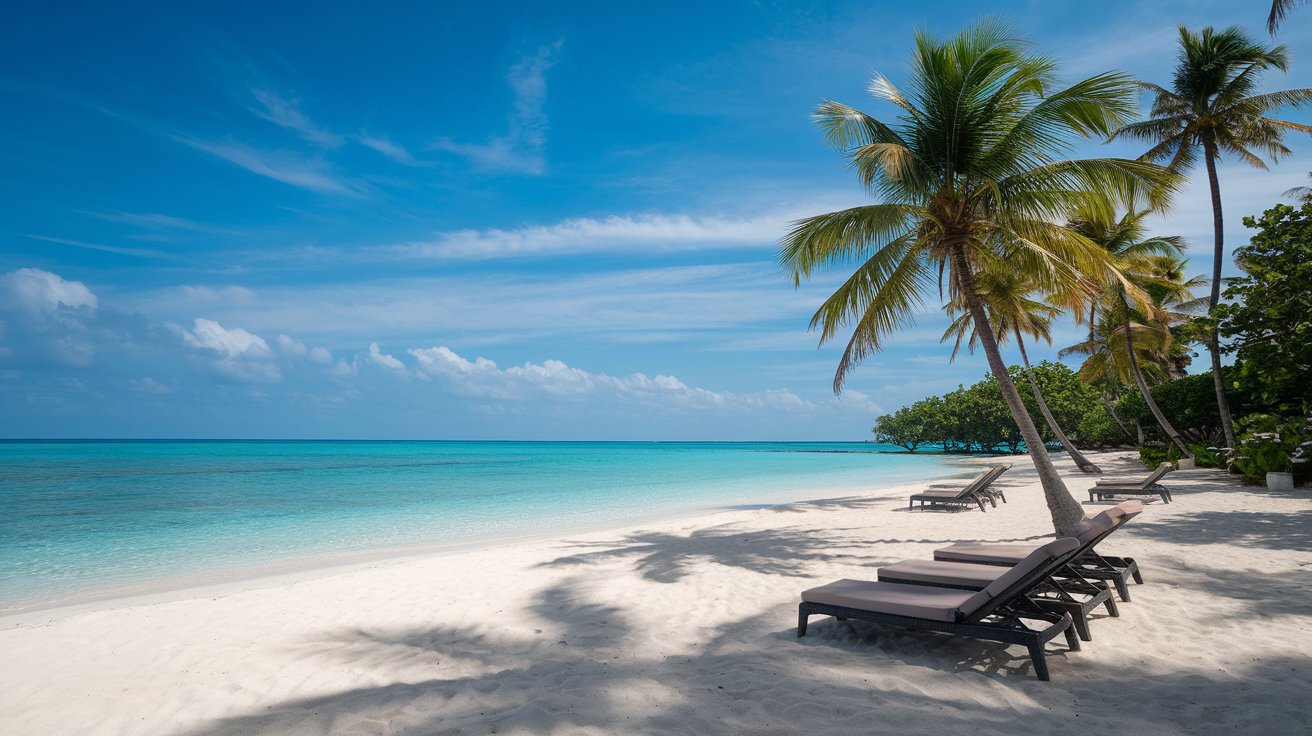
Cayo Santa Maria stands as one of Cuba’s premier beach destinations, featuring pristine white sand beaches and crystal-clear Caribbean waters. This comprehensive guide explores the best hotels and resorts on this stunning 13-kilometer long island, helping US travelers make informed decisions for their Cuban getaway. From all-inclusive luxury resorts to boutique accommodations, Cayo Santa Maria offers diverse lodging options that cater to every budget and preference. Top Luxury All-Inclusive Resorts in Cayo Santa Maria The island’s luxury resort scene has evolved significantly in 2024-2025, with several properties undergoing major renovations and expansions. Cayo Santa Maria luxury resorts now offer world-class amenities that rival Caribbean competitors, including multiple dining venues, championship golf courses, and premium spa facilities. These properties typically feature spacious suites with ocean views, private beaches, and exclusive adult-only sections for couples seeking romance. Recent infrastructure improvements have enhanced the overall guest experience, with faster WiFi connectivity, modernized room amenities, and expanded recreational facilities. Many all-inclusive hotels in Cayo Santa Maria now offer premium packages that include top-shelf liquors, specialty dining reservations, and exclusive beach areas with personalized service. Meliá Las Dunas – Adults Only Excellence This flagship adults-only resort in Cayo Santa Maria underwent a complete renovation in 2024, featuring 925 newly designed rooms and suites with modern Caribbean décor. The property boasts 13 restaurants, including three specialty venues serving international cuisine, and multiple bars positioned throughout the resort. The Level premium service offers exclusive areas, personalized concierge service, and access to private beach sections with premium amenities. Royalton Cayo Santa Maria – Family Paradise Perfect for families, this family-friendly Cayo Santa Maria resort features dedicated kids’ areas, water parks, and teen clubs alongside adult amenities. The 2024 expansion added 200 new family suites with connecting rooms and upgraded the main pool area with new slides and play zones. The resort offers specialized programs for different age groups, ensuring entertainment for guests from toddlers to grandparents. Best Budget-Friendly Hotels and Mid-Range Options Travelers seeking affordable Cayo Santa Maria accommodations will find excellent value propositions that don’t compromise on essential amenities. Mid-range properties on the island typically offer comfortable rooms, multiple dining options, and access to beautiful beaches at significantly lower rates than luxury resorts. These hotels have improved their service standards considerably in 2024-2025, with many receiving positive reviews from international guests. Budget-conscious travelers can expect clean, well-maintained facilities with basic amenities including air conditioning, private bathrooms, and complimentary breakfast. Many budget hotels in Cayo Santa Maria partner with local tour operators to offer discounted excursions and activities, providing excellent value for money while maintaining quality standards that meet international expectations. Beachfront Location Analysis and Beach Quality The beaches of Cayo Santa Maria consistently rank among Cuba’s finest, featuring powdery white sand and calm, turquoise waters perfect for swimming and water sports. Most hotels are strategically positioned along the northern coastline, offering direct beach access and stunning sunrise views. The island’s unique geography creates natural protection from strong currents, making it ideal for families with children and non-swimmers. Recent environmental conservation efforts have maintained the pristine condition of these beaches, with several areas receiving Blue Flag certification for water quality and environmental management. Beachfront hotels in Cayo Santa Maria now implement sustainable practices including reef protection programs, sea turtle conservation initiatives, and coastal vegetation preservation projects that enhance the natural beauty while ensuring long-term sustainability. Las Salinas Beach – Premium Hotel Zone The western section of the island features the most exclusive Las Salinas beach hotels, where luxury resorts line a 3-kilometer stretch of pristine coastline. This area offers the calmest waters and finest sand quality, with several hotels maintaining private beach sections with premium amenities including beachside dining, water sports equipment, and personalized beach service. Eastern Bay Hotels – Secluded Paradise The eastern section provides a more secluded experience with boutique hotels in Cayo Santa Maria offering intimate settings and personalized service. These properties typically feature smaller guest capacities, creating a peaceful atmosphere ideal for romantic getaways and those seeking tranquility away from crowded resort areas. Dining Options and All-Inclusive Package Comparisons The culinary scene in Cayo Santa Maria hotels has dramatically improved in recent years, with many properties now featuring international chefs and diverse dining concepts. All-inclusive packages typically include multiple restaurants ranging from casual beachside grills to elegant fine-dining establishments serving Cuban, Mediterranean, Asian, and international cuisines. The quality of ingredients and preparation has reached international standards, with several hotel restaurants receiving recognition from culinary experts. Premium all-inclusive packages often include specialty dining reservations, premium beverage selections, and room service options. Many all-inclusive resorts in Cayo Santa Maria now offer 24-hour dining venues and late-night snack bars, ensuring guests have access to quality food throughout their stay. Special dietary requirements including vegetarian, vegan, and gluten-free options are widely accommodated across most properties. Activities and Entertainment at Cayo Santa Maria Hotels Hotel-based entertainment programs have evolved to include world-class productions, live music performances, and cultural shows that showcase Cuban heritage. Most Cayo Santa Maria resort activities include water sports such as kayaking, snorkeling, windsurfing, and catamaran excursions, with equipment and instruction provided complimentary. Evening entertainment typically features live bands, dance performances, themed parties, and cultural presentations that immerse guests in Cuban culture. Daytime activities encompass fitness classes, cooking demonstrations, Spanish language lessons, and arts and crafts workshops. Many hotels offer excursions from Cayo Santa Maria including visits to nearby Santa Clara, colonial Trinidad, and the Remedios historic town, providing opportunities to explore Cuban culture and history beyond the resort boundaries. Water Sports and Beach Activities The calm, clear waters surrounding the island provide perfect conditions for various water sports in Cayo Santa Maria. Most hotels offer complimentary equipment for snorkeling, kayaking, pedal boats, and windsurfing, with professional instruction available for beginners. Diving centers operate from several resorts, offering PADI certification courses and guided reef exploration trips. Spa Services and Wellness Programs Luxury hotels feature full-service spas offering traditional Cuban treatments alongside international wellness therapies. Spa services at Cayo Santa Maria hotels typically include massage treatments, … Leer más

Weather in Cuba in April: Complete Guide for US Travelers

April offers some of the best weather in Cuba for US travelers, with comfortable temperatures ranging from 75-85°F and minimal rainfall. This comprehensive guide covers everything you need to know about Cuba’s April climate, helping you plan the perfect spring getaway to this Caribbean paradise. Cuba in April at a Glance April represents one of the best months to visit Cuba from the United States, offering ideal weather conditions before the intense summer heat arrives. The island experiences pleasant daytime temperatures averaging 82°F (28°C) and comfortable nighttime lows around 70°F (21°C). With only 2-3 rainy days throughout the month, visitors can expect abundant sunshine and minimal weather disruptions during their Cuba holidays. The Cuba temperature by month analysis shows April as part of the dry season, characterized by low humidity levels and gentle trade winds. This makes it significantly more comfortable than the summer months while still providing warm enough conditions for beach activities and water sports throughout the island. Is April a Good Time to Visit Cuba? April stands out as an exceptional time to visit Cuba for multiple reasons. The weather conditions are nearly perfect, with minimal rainfall averaging just 2.4 inches for the entire month. Unlike the peak winter tourist season, April offers more moderate crowds while maintaining excellent weather conditions, making it ideal for US travelers seeking a balance between good weather and reasonable accommodation prices. Compared to weather in Cuba in March, April shows slightly warmer temperatures and even less rainfall. The month also provides better conditions than weather in Cuba in May, which begins to show increased humidity and occasional afternoon showers as the wet season approaches. This positioning makes April a sweet spot for Cuban travel. Average Daily Temperatures in April Daily temperatures in Cuba in April remain consistently comfortable throughout the month. Daytime highs typically reach 82-85°F (28-29°C), while nighttime temperatures rarely drop below 70°F (21°C). Coastal areas like Havana and Varadero experience slightly cooler temperatures due to ocean breezes, while inland regions may see temperatures 2-3 degrees higher. Regional temperature variations show Havana averaging 81°F, Santiago de Cuba reaching 84°F, and Trinidad maintaining comfortable 80°F highs. These consistent temperatures make April significantly more pleasant than weather in Cuba in August, which can reach uncomfortable 90°F+ temperatures with high humidity levels. Rainfall and Humidity Levels April rainfall in Cuba averages just 2.4 inches spread across 6-8 days, making it one of the driest months of the year. Most precipitation occurs as brief afternoon showers that quickly clear, allowing for uninterrupted sightseeing and beach activities. Humidity levels remain moderate at 65-70%, significantly lower than summer months when it can exceed 85%. The low rainfall makes April ideal for outdoor activities and exploration. Unlike weather in Cuba in June, which marks the beginning of the wet season with increased afternoon thunderstorms, April provides reliable dry conditions perfect for US travelers planning extensive itineraries across the island. Swimming and Beach Conditions in April Ocean temperatures around Cuba in April average a comfortable 79-81°F (26-27°C), perfect for swimming and water activities. The combination of warm air temperatures and pleasant water conditions makes this an ideal month to visit Cuba for beach enthusiasts. Popular destinations like Varadero, Cayo Coco, and Playa Paraíso offer excellent swimming conditions throughout April. Beach conditions remain optimal with gentle trade winds providing natural cooling and minimal rainfall disrupting beach plans. The sea is typically calm with excellent visibility for snorkeling and diving activities. These conditions contrast favorably with weather in Cuba in December, when ocean temperatures drop to the mid-70s and may feel cool for extended swimming sessions. What to Pack for Cuba in April Packing for Cuba in April requires lightweight, breathable clothing suitable for warm days and mild evenings. Essential items include cotton shirts, lightweight pants, shorts, sundresses, and a light jacket for air-conditioned spaces and evening activities. Don’t forget comfortable walking shoes, sandals, and reef-safe sunscreen with high SPF protection. Evening temperatures may drop to the low 70s, so pack a light sweater or cardigan for dinner outings and nighttime activities. A light rain jacket or umbrella handles the occasional brief shower, though extensive rain gear isn’t necessary given the minimal precipitation typical of April weather patterns. Top Activities and Attractions in April April’s pleasant weather makes it perfect for exploring Cuba’s diverse attractions. The comfortable temperatures and minimal rainfall create ideal conditions for walking tours through Old Havana, visiting tobacco farms in Viñales Valley, and exploring the colonial architecture of Trinidad. Beach activities remain excellent, with warm ocean temperatures perfect for swimming, snorkeling, and water sports. Explore Historic Havana April’s comfortable temperatures make walking through Havana’s historic districts particularly enjoyable. The moderate humidity and gentle breezes create perfect conditions for exploring Old Havana’s cobblestone streets, visiting the Malecón waterfront, and discovering the city’s vibrant neighborhoods without the oppressive heat of summer months. Visit Viñales Valley The famous tobacco-growing region of Viñales Valley offers spectacular scenery and comfortable hiking conditions in April. The clear skies and moderate temperatures provide excellent visibility of the dramatic limestone mogotes and lush green landscapes, making it an ideal time for photography and outdoor exploration. Festivals and Events in Cuba in April April hosts several significant cultural events in Cuba, including the Havana International Book Fair and various music festivals. The pleasant weather conditions make outdoor celebrations particularly enjoyable, with comfortable temperatures for evening concerts and street festivals. These events provide excellent opportunities to experience Cuban culture while enjoying the island’s best weather conditions. The month also features various local festivals celebrating Cuban heritage and traditions. The comfortable April climate ensures these outdoor events remain enjoyable for visitors, unlike the intense heat of summer months that can make extended outdoor activities challenging for US travelers unaccustomed to tropical conditions. Comparing April to Other Months When comparing weather in Cuba by month, April consistently ranks among the top three months for overall conditions. It offers better weather than weather in Cuba in March, with warmer temperatures and even less rainfall. Compared to weather in … Leer más

Is Cuba a Good Place to Vacation? Complete 2025 Travel Guide

Cuba offers a unique vacation experience with its vibrant culture, historic architecture, and pristine beaches, but determining if it’s a good destination depends on your travel preferences and expectations. For Americans seeking an authentic Caribbean experience in 2025, Cuba presents both exciting opportunities and practical challenges that require careful planning. Is Cuba Safe for American Tourists in 2025? Cuba is generally safe for tourists, with one of the lowest crime rates in Latin America and the Caribbean. The country maintains strict security measures that protect visitors, though petty theft and scams targeting tourists can occur in popular areas like Havana and Trinidad. The Cuban government prioritizes tourism safety as a crucial economic sector, ensuring that tourist areas remain well-patrolled and secure. Recent data from the U.S. State Department indicates that violent crime against tourists is rare in Cuba, with most incidents involving minor theft or overcharging. However, travelers should remain vigilant about their belongings, avoid displaying expensive items, and stick to well-traveled routes. The healthcare system, while basic, provides adequate emergency care for tourists in major cities. Current Travel Requirements for Americans Going to Cuba American citizens must meet specific requirements to travel to Cuba legally, with 12 authorized categories of travel established by the U.S. Treasury Department. The most common categories for tourists include Support for the Cuban People, Educational Activities, and Journalistic Activities. Travelers must maintain detailed records of their activities and expenses for five years after their trip. Required documentation includes a valid U.S. passport, Cuban tourist visa (available at airports or through travel agencies), and proof of travel insurance that covers medical expenses in Cuba. Additionally, travelers must declare their category of travel and ensure their activities align with U.S. regulations throughout their stay. Documentation and Visa Process The Cuban tourist visa costs approximately $50-100 depending on your point of purchase and can be obtained at the departure airport or through authorized travel agencies. Processing takes 1-3 business days when purchased in advance, though same-day airport purchases are available with longer wait times and higher fees. Travel Insurance Requirements Mandatory travel insurance must cover medical expenses and emergency evacuation, with minimum coverage of $10,000 recommended by Cuban authorities. Most major U.S. insurance providers offer Cuba-specific policies, though some require additional international coverage riders for comprehensive protection. What Makes Cuba Welcoming to American Visitors Cuban people are notably welcoming and hospitable to American tourists, often expressing curiosity and warmth toward visitors from the United States. Despite decades of political tensions, locals frequently separate politics from personal interactions, creating genuine connections with American travelers. Many Cubans speak some English and actively help tourists navigate language barriers. The Cuban tourism industry has adapted to serve American visitors better, with improved payment systems accepting U.S. credit cards from select banks and expanded English-language services in hotels and restaurants. Casa particulares (private homestays) offer authentic cultural exchanges that many Americans find more rewarding than traditional hotel stays. Understanding Cuba’s Unique Travel Challenges Cuba presents distinct challenges that differentiate it from typical Caribbean destinations, requiring flexible expectations and patience from visitors. Infrastructure limitations mean occasional power outages, limited internet connectivity, and transportation delays that can disrupt planned itineraries. These inconveniences, while frustrating, often lead to unexpected discoveries and authentic local experiences. The dual currency system adds complexity to financial planning, though recent monetary unification has simplified transactions. Cash remains king in Cuba, with credit card acceptance limited to specific establishments, making pre-trip financial planning essential for a smooth vacation experience. Infrastructure and Connectivity Issues Internet access remains limited and expensive throughout Cuba, with WiFi available primarily in hotels, parks, and designated hotspots. Connection speeds are slow by U.S. standards, making real-time communication challenging and encouraging digital detox experiences that many travelers ultimately appreciate. Transportation and Getting Around Public transportation options include vintage American cars, modern buses, and domestic flights between major cities. Booking transportation in advance is recommended, especially during peak tourist seasons, as availability can be limited and demand high among international visitors. Cost Analysis: Is Cuba Affordable for American Tourists? Cuba can be surprisingly expensive for American tourists, with daily budgets ranging from $75-200 per person depending on accommodation choices and dining preferences. Tourist-focused establishments often charge prices comparable to U.S. cities, while local eateries and casa particulares offer more affordable alternatives with authentic experiences. Tipping culture is important in Cuba, with $1-2 USD considered appropriate for basic services and $5-10 USD for exceptional assistance. Service workers rely heavily on tips to supplement government wages, making generous tipping both appreciated and economically impactful for local families. Best Times and Places to Visit Cuba The optimal time to visit Cuba is during the dry season from November to April, offering pleasant temperatures, minimal rainfall, and ideal conditions for outdoor activities and beach visits. Peak tourist season occurs December through March, resulting in higher prices and crowded attractions, while shoulder seasons provide better value and fewer crowds. Havana, Trinidad, and Viñales Valley represent must-visit destinations that showcase Cuba’s cultural diversity, architectural heritage, and natural beauty. Beach destinations like Varadero and Cayo Coco offer pristine Caribbean coastlines, while Santiago de Cuba provides insight into the country’s revolutionary history and Afro-Cuban culture. Cultural Destinations and Experiences Historic Havana offers colonial architecture, vintage cars, and vibrant nightlife that epitomize the Cuban experience. Walking tours, salsa lessons, and rum tastings provide immersive cultural encounters that create lasting memories and deeper understanding of Cuban society. Natural Attractions and Outdoor Activities Cuba’s natural attractions include pristine beaches, coral reefs, and mountainous landscapes perfect for hiking, snorkeling, and wildlife observation. The Bay of Pigs offers excellent diving opportunities, while the Sierra Maestra mountains provide challenging treks through revolutionary historical sites. Practical Tips for American Travelers in Cuba Successful Cuba travel requires advance planning and realistic expectations about infrastructure limitations and cultural differences. Bringing sufficient cash, downloading offline maps, packing essential medications, and learning basic Spanish phrases significantly improve the travel experience and reduce potential frustrations. Engaging with local communities through casa particular stays and independent restaurants provides authentic … Leer más

Cuba Adults Only All Inclusive Resorts: Ultimate Guide 2025

Cuba’s adults only all inclusive resorts offer an unparalleled Caribbean escape combining pristine beaches, world-class amenities, and sophisticated atmospheres. These exclusive properties cater specifically to guests seeking tranquil, romance-focused vacations without children, featuring premium dining, spa services, and adult-oriented entertainment across Cuba’s most stunning coastal destinations. Can Americans Visit All Inclusive Resorts in Cuba in 2025? Yes, Americans can visit Cuba’s all inclusive resorts in 2025 under specific legal travel categories authorized by the U.S. Treasury Department. The most common categories include Support for the Cuban People, Educational Activities, and Professional Research. Travelers must maintain detailed records of their activities and expenses to comply with federal regulations. Most resort bookings require advance documentation proving your travel falls under an approved category. Since 2021, direct flights from major U.S. cities to Cuban destinations have resumed, making Cuba resort access more convenient than previous years. Popular departure points include Miami, Fort Lauderdale, and New York, with flight times typically ranging from 1-3 hours depending on your destination resort location. Top 15 Adults Only All Inclusive Resorts in Cuba Cuba’s best adult only resorts span across three main regions: Varadero, Cayo Coco, and Cayo Santa Maria. Each destination offers unique advantages, from Varadero’s accessibility and nightlife to the remote pristine beaches of the cayos. These resorts typically feature minimum age requirements of 18+ and focus on sophisticated amenities including premium liquor brands, gourmet dining, and spa services. Varadero Adults Only Resorts Meliá Las Américas stands as Varadero’s premier adults-only property, featuring 340 suites with ocean or garden views. The resort offers five restaurants, three bars, and Cuba’s largest resort spa at 3,500 square meters. Nightly entertainment includes live music, dance shows, and themed parties specifically designed for adult guests seeking sophisticated vacation experiences. Cayo Coco Premium Properties Meliá Cayo Coco provides an exclusive adults-only section within its larger resort complex, offering 250 premium rooms with direct beach access. The property features three specialty restaurants, two swim-up bars, and championship golf course access. Water sports include kayaking, snorkeling, and catamaran excursions to nearby coral reefs perfect for underwater exploration. Luxury Amenities at Cuba’s Adults Only Resorts Cuba’s luxury all inclusive resorts provide comprehensive amenities packages including premium alcoholic beverages, specialty dining venues, and world-class spa treatments. Most properties feature multiple swimming pools, including infinity pools, swim-up bars, and adults-only pool areas with dedicated service staff. Room categories range from junior suites to presidential villas with private terraces and concierge services. Dining and Beverage Programs Premium all inclusive dining at Cuba’s adults-only resorts features international cuisine alongside authentic Cuban specialties. Typical properties offer 4-6 restaurants including steakhouses, Italian bistros, Asian fusion venues, and beachfront grills. Beverage packages include top-shelf spirits, wine selections, and craft cocktails served at multiple bars and lounges throughout each property. Spa and Wellness Facilities Most Cuba luxury resorts feature full-service spas offering massage therapy, facial treatments, and body wraps using natural Cuban ingredients. Wellness facilities typically include fitness centers with modern equipment, yoga pavilions, and meditation gardens. Many properties also provide spa packages as part of romance or honeymoon specials for couples seeking relaxation-focused vacations. Best Times to Visit Cuba Adults Only Resorts The optimal period for visiting Cuba adults only resorts runs from December through April, offering dry weather with temperatures averaging 75-82°F. This peak season provides the most reliable weather conditions but also commands higher room rates and requires advance booking. Shoulder seasons in May and November offer excellent weather with reduced crowds and better pricing opportunities. Hurricane season runs from June through November, with September and October presenting the highest risk periods. However, modern resorts feature comprehensive safety protocols and often provide flexible rebooking policies for weather-related disruptions. Booking Tips for Cuba All Inclusive Resorts Booking Cuba all inclusive vacations requires specialized travel agencies familiar with current U.S.-Cuba travel regulations. Many major resort chains offer direct booking through their websites, but American travelers must ensure their reservations include proper documentation for legal compliance. Travel insurance covering Cuba is highly recommended and sometimes mandatory depending on your chosen resort. Required Documentation and Preparation American travelers need valid passports, travel insurance, and documentation supporting their chosen Cuba travel category. Most resorts require advance payment and provide confirmation letters necessary for airline check-in. Currency considerations include bringing cash in Euros or Canadian dollars, as U.S. credit cards have limited acceptance at Cuban properties. Package Inclusions and Pricing Typical all inclusive packages range from $200-600 per night per person depending on resort category, season, and room type. Premium packages often include airport transfers, premium beverage selections, spa credits, and excursion opportunities. Many resorts offer honeymoon packages with room upgrades, romantic dinners, and couple’s spa treatments at competitive rates. Activities and Entertainment at Adults Only Resorts Cuba’s adults only entertainment programs feature live music, dance lessons, themed parties, and cultural shows highlighting Cuban heritage. Water sports typically include snorkeling, kayaking, windsurfing, and sailing with equipment rentals included in resort packages. Many properties offer excursions to nearby attractions including historic cities, nature reserves, and local markets. Evening entertainment ranges from piano bars and jazz lounges to beach parties and dance clubs. Cultural activities include cigar rolling demonstrations, rum tastings, and Spanish language classes providing authentic Cuban experiences for resort guests. Transportation and Airport Access Most Cuba resort transfers are included in all-inclusive packages, with private vehicles or shuttle buses providing airport transportation. Varadero resorts typically offer 30-minute transfers from Juan Gualberto Gómez Airport, while Cayo Coco and Cayo Santa Maria properties require 45-60 minutes from their respective airports. Some luxury resorts provide helicopter transfers for premium guests seeking expedited arrival experiences. Related video about all inclusive resorts cuba adults only This video complements the article information with a practical visual demonstration. Questions & Answers Can Americans legally visit all inclusive resorts in Cuba? Yes, Americans can legally visit Cuba’s all inclusive resorts under approved travel categories including Support for the Cuban People, Educational Activities, and Professional Research. Travelers must maintain detailed records and documentation proving their trip falls under an authorized category. Most … Leer más

Weather in Cuba in December: Complete Travel Guide 2025

December brings Cuba’s finest weather with comfortable temperatures ranging from 68-78°F (20-26°C), minimal rainfall, and perfect conditions for exploring this Caribbean paradise. This winter month in Cuba offers ideal beach weather, reduced humidity, and crystal-clear skies, making it one of the best times to visit Cuba for travelers seeking warmth during North American winter. Cuba in December at a Glance December represents Cuba’s dry season peak, delivering consistently pleasant weather across the island. The average temperature in December hovers around 73°F (23°C), with daytime highs reaching 78°F (26°C) and nighttime lows dropping to comfortable 68°F (20°C). Rainfall averages just 2.3 inches throughout the month, significantly lower than the wet season months. The humidity levels in December remain moderate at 75-80%, considerably more comfortable than summer months. Trade winds provide natural cooling, especially along coastal areas. This weather pattern makes December ideal for outdoor activities, beach lounging, and city exploration without the oppressive heat and humidity of warmer months. Average Daily Temperatures in December Temperature variations in Cuba during December remain minimal across different regions. Havana experiences daytime temperatures of 77°F (25°C) with nighttime lows of 69°F (21°C). Santiago de Cuba, in the southeast, sees slightly warmer conditions with highs of 79°F (26°C) and lows of 70°F (21°C). The central regions, including Cienfuegos and Trinidad, maintain comfortable mid-70s throughout most days. Ocean temperatures remain inviting at 79-81°F (26-27°C), perfect for swimming and water sports. The coolest temperatures in Cuba occur during early morning hours, particularly in mountainous regions like the Sierra Maestra, where temperatures can drop to 60°F (15°C). Coastal areas benefit from consistent sea breezes that moderate temperatures naturally. Regional Temperature Differences Western Cuba, including Havana and Varadero, experiences the most stable December weather patterns with minimal temperature fluctuations. Eastern regions like Baracoa and Guantánamo typically register 2-3 degrees warmer due to their Caribbean Sea exposure and lower latitude positioning. Daily Temperature Patterns Mornings start cool and comfortable around 68-70°F, warming gradually to peak temperatures by 2-3 PM. Evenings cool pleasantly to the mid-70s, creating perfect conditions for outdoor dining and nighttime activities. This consistent daily temperature cycle makes packing and planning activities straightforward for visitors. Is December a Good Time to Visit Cuba? December stands as one of Cuba’s premier travel months, offering optimal weather conditions combined with festive holiday atmosphere. The combination of dry weather, comfortable temperatures, and reduced rainfall creates ideal circumstances for exploring Cuba’s diverse attractions. Beach enthusiasts find perfect conditions, while city explorers enjoy comfortable walking weather without excessive heat. The tourist season in December brings increased activity and higher prices, but also enhanced services and fully operational attractions. Cultural events, music festivals, and New Year celebrations add vibrant energy to the travel experience. December visitors avoid hurricane season completely, ensuring stable weather patterns and reliable flight schedules. Rainfall and Weather Patterns December rainfall in Cuba averages only 2.3 inches (58mm), distributed across 6-8 rainy days throughout the month. When rain does occur, it typically arrives as brief afternoon showers lasting 30-60 minutes before clearing to sunny skies. These light showers often provide welcome cooling during the warmest part of the day. The dry season characteristics dominate December weather, with clear skies prevailing 70-80% of the time. Morning fog occasionally appears in mountainous regions but burns off quickly as temperatures rise. Trade winds from the northeast maintain consistent air circulation, preventing stagnant humid conditions common in other Caribbean destinations during winter months. Sunshine Hours and Cloud Cover December delivers approximately 7-8 hours of daily sunshine in Cuba, with cloud cover remaining light to moderate most days. UV levels remain high due to Cuba’s tropical latitude, requiring consistent sun protection despite comfortable temperatures. Wind Conditions Northeast trade winds provide consistent 10-15 mph breezes throughout December, creating natural air conditioning effects. These prevailing winds in Cuba make outdoor activities more comfortable and help maintain pleasant sleeping conditions in accommodations without air conditioning. What About Crowds and Costs? December marks the beginning of Cuba’s peak tourist season, resulting in higher accommodation rates and increased visitor numbers. Hotel prices typically increase 30-50% compared to low season rates, with premium beachfront properties commanding top dollar. Popular destinations like Varadero, Havana, and Trinidad experience notable crowds, particularly during the Christmas and New Year periods. Advanced booking becomes essential for December travel to Cuba, with many popular hotels and casas particulares filling up months in advance. Restaurant reservations and tour bookings also require more planning. Despite higher costs, the superior weather conditions and festive atmosphere justify the premium for many travelers seeking winter warmth and cultural experiences. Things to Do in Cuba in December December’s pleasant weather opens up Cuba’s full range of activities for visitors. Beach activities dominate coastal areas, with perfect conditions for swimming, snorkeling, and water sports. The comfortable temperatures make city walking tours enjoyable, allowing exploration of Havana’s historic architecture, Trinidad’s colonial streets, and Santiago’s cultural sites without heat exhaustion concerns. Outdoor adventures thrive in December’s conditions. Hiking in the Sierra Maestra mountains, exploring Viñales Valley’s tobacco farms, and cave exploration become comfortable activities. The December festival season brings music events, art exhibitions, and cultural celebrations throughout the island, providing authentic Cuban experiences for visitors. Beach Activities and Water Sports December’s warm ocean temperatures and minimal rainfall create perfect beach conditions in Cuba. Varadero’s white sand beaches offer ideal swimming and sunbathing, while Cayo Coco and Cayo Santa María provide pristine snorkeling opportunities with excellent underwater visibility. Cultural and Historical Exploration The comfortable walking weather makes December perfect for exploring Cuba’s UNESCO World Heritage sites. Old Havana’s cobblestone streets, Trinidad’s preserved colonial architecture, and Cienfuegos’ French-influenced buildings become easily navigable without oppressive heat or frequent rain interruptions. December Events and Festivals December brings Cuba’s festive season with numerous cultural events and celebrations. The International Festival of New Latin American Cinema in Havana attracts film enthusiasts from around the world. Christmas celebrations, while subdued compared to other Caribbean nations, still feature special music performances and cultural events in major cities. New Year’s Eve transforms Cuban cities, particularly Havana, … Leer más

When is Cuba’s Independence Day? Complete Guide to Cuban History

Cuba celebrates its independence with two significant dates that mark different stages of the nation’s journey to freedom. October 10th commemorates the start of Cuba’s independence war against Spanish colonial rule in 1868, while May 20th marks Cuba’s formal independence from the United States in 1902. Understanding both dates provides complete insight into Cuban independence history and why these celebrations remain important today. Does Cuba Have Two Independence Days? Yes, Cuba officially recognizes two independence-related dates that hold distinct historical significance. The Cuban government and people commemorate both October 10th and May 20th, though their importance has varied throughout different political periods. October 10th represents the beginning of Cuba’s struggle for independence, while May 20th marks the achievement of formal sovereignty from foreign control. The dual celebration reflects Cuba’s complex path to independence, which involved multiple wars, foreign interventions, and political transitions. Both dates remain part of Cuban cultural identity and are recognized in official calendars, educational curricula, and national commemorations throughout the island. October 10th: The Start of Cuban Independence War October 10, 1868, marks the beginning of the Ten Years’ War (Guerra de los Diez Años), Cuba’s first major attempt to gain independence from Spain. On this date, Cuban plantation owner Carlos Manuel de Céspedes freed his slaves and declared Cuban independence at his sugar mill La Demajagua in eastern Cuba. This act, known as the Grito de Yara (Cry of Yara), sparked the longest and most significant independence movement in Cuban history. May 20th: Cuba’s Formal Independence Achievement May 20, 1902, represents Cuba’s formal independence from the United States following the Spanish-American War. On this date, the Cuban Republic was officially established, and Tomás Estrada Palma became the first president of independent Cuba. However, this independence came with the Platt Amendment restrictions, which limited Cuban sovereignty and allowed U.S. intervention in Cuban affairs until 1934. Why is October 10th Cuban Independence Day? October 10th holds primary significance as Cuban Independence Day because it represents the authentic beginning of Cuba’s fight for freedom from colonial rule. Unlike May 20th, which involved foreign intervention and compromised sovereignty, October 10th symbolizes genuine Cuban revolutionary spirit and self-determination. The date commemorates when Cubans first took up arms for their independence, making it the foundation of Cuban national identity. The historical importance of October 10th extends beyond the initial declaration. This date launched a 30-year struggle for independence that included the Ten Years’ War (1868-1878), the Little War (1879-1880), and the War of Independence (1895-1898). Each conflict built upon the revolutionary foundation established on October 10, 1868, creating a continuous narrative of Cuban resistance against foreign domination. Cuba Independence Day History and Timeline The complete Cuba independence day history spans over three decades of revolutionary movements, foreign interventions, and political transformations. Understanding this timeline helps explain why Cuba commemorates multiple dates and how the nation’s independence evolved through different stages of struggle and achievement. Cuban independence history reflects the complex relationship between colonial rule, revolutionary movements, and foreign intervention that shaped modern Cuba. Each major date represents a crucial turning point in the nation’s journey toward sovereignty and self-determination. The Ten Years’ War (1868-1878) Following the Grito de Yara on October 10, 1868, Cuban revolutionaries led by Carlos Manuel de Céspedes fought against Spanish colonial forces for ten years. The war established key independence leaders like Ignacio Agramonte, Antonio Maceo, and Máximo Gómez, who became heroes of Cuban independence. Although the war ended without achieving independence, it laid the groundwork for future revolutionary movements. The War of Independence (1895-1898) José Martí organized the final war of Cuban independence that began on February 24, 1895. This conflict, led by veteran generals from the Ten Years’ War, achieved significant military success against Spanish forces. However, U.S. intervention in 1898 complicated Cuba’s path to independence, leading to the Spanish-American War and subsequent American occupation of the island. What Happened on May 20 in Cuba? On May 20, 1902, Cuba gained formal independence from the United States after four years of American military occupation following the Spanish-American War. The United States transferred governmental control to Cuban authorities, and Tomás Estrada Palma was inaugurated as the first president of the Cuban Republic. This transition marked the end of colonial rule and the beginning of Cuban self-governance. However, May 20th independence came with significant limitations imposed by the Platt Amendment, which was incorporated into the Cuban Constitution. This amendment granted the United States the right to intervene in Cuban affairs, maintain naval bases on the island, and approve Cuban treaties with foreign nations. These restrictions meant that Cuban independence on May 20th was incomplete and remained subject to American influence. Cuban Independence from Spain: The Complete Story Cuban independence from Spain required three separate wars spanning thirty years of continuous struggle. The process began with the Ten Years’ War in 1868, continued through the Little War in 1879, and culminated in the War of Independence from 1895-1898. Spanish colonial resistance was fierce, involving military campaigns, economic warfare, and brutal suppression of revolutionary movements. The final victory over Spain came through a combination of Cuban military success and U.S. intervention during the Spanish-American War. Cuban forces, led by experienced generals like Máximo Gómez and Antonio Maceo, had significantly weakened Spanish control before American involvement. The Treaty of Paris in 1898 officially ended Spanish rule in Cuba, though it transferred the island to American control rather than granting immediate independence. How is Cuban Independence Day Celebrated? Cuban Independence Day celebrations vary depending on political periods and which date is being commemorated. Traditional celebrations include patriotic ceremonies, educational programs about Cuban history, cultural events featuring Cuban music and art, and official government commemorations. October 10th celebrations typically focus on revolutionary heritage and the struggle for national liberation. In contemporary Cuba, independence day celebrations emphasize Cuban sovereignty and revolutionary values. Schools organize special programs teaching students about independence heroes like José Martí, Carlos Manuel de Céspedes, and Antonio Maceo. Cultural institutions present exhibitions, concerts, and theatrical performances highlighting Cuban independence history … Leer más

July 26th Celebrations: National Aunt Day & More

July 26th is celebrated as National Aunt Day in the United States, honoring the special aunts who provide love, guidance, and support to their nieces and nephews. This date also marks several other significant national and international observances that bring communities together to celebrate important causes and relationships throughout the country. National Aunt Day: The Primary July 26th Celebration National Aunt Day stands as the most prominent celebration on July 26th across the United States. This special day recognizes the unique role that aunts play in family dynamics, offering a blend of friendship, mentorship, and unconditional love. According to 2024 family structure data, approximately 78% of American children have at least one aunt who plays an active role in their lives, making this celebration particularly meaningful for millions of families nationwide. The observance encourages families to reach out to their aunts through phone calls, visits, or thoughtful gestures. Aunt appreciation activities have increased by 35% since 2020, with social media platforms reporting over 2.3 million posts tagged with aunt-related hashtags on July 26th in 2024. Many families use this day to create lasting memories through special outings, family dinners, or personalized gifts that acknowledge their aunt’s impact on their lives. Origins and History of National Aunt Day National Aunt Day was established to fill a gap in family appreciation holidays, recognizing that aunts often serve as secondary mother figures, confidantes, and role models. The celebration gained official recognition in the early 2000s, with family advocacy groups promoting the importance of extended family relationships. Research from the American Family Institute shows that children with engaged aunts demonstrate 23% higher emotional resilience and improved social skills compared to those without such relationships. How Americans Celebrate National Aunt Day Celebration methods vary across different regions of the United States, but common traditions include sending flowers, cards, or arranging special aunt-niece or aunt-nephew activities. Gift-giving statistics from 2024 show that Americans spend an average of $47 per aunt on July 26th, with popular gifts including jewelry, books, spa treatments, and personalized photo albums. Many families also organize reunion gatherings, with 42% of families reporting they use this day as an excuse for extended family get-togethers. Other National Celebrations on July 26th Beyond National Aunt Day, July 26th hosts multiple national observances that contribute to its significance in the American calendar. These celebrations range from food-related holidays to awareness campaigns, each serving different communities and interests across the United States. The diversity of celebrations on this single date reflects the rich tapestry of American culture and values. Food enthusiasts particularly enjoy July 26th as it coincides with several culinary celebrations. National food holidays on this date have gained tremendous popularity through social media, with restaurants and food brands creating special promotions and limited-time offerings. The economic impact of these food-related celebrations has grown substantially, contributing an estimated $12.7 million to the food service industry annually. National Coffee Milkshake Day National Coffee Milkshake Day celebrates the perfect blend of caffeine and creamy indulgence on July 26th. Coffee shops across America report a 68% increase in milkshake sales on this date, with specialty coffee milkshake flavors becoming increasingly popular. Major chains like Starbucks and Dunkin’ often introduce limited-edition coffee milkshake varieties to commemorate this delicious holiday. National All or Nothing Day This motivational observance encourages Americans to approach their goals with complete dedication and commitment. Personal development enthusiasts use July 26th as a day to launch new projects, make significant life changes, or recommit to abandoned goals. Life coaches and motivational speakers often host special events and workshops on this date, with participation rates increasing by 45% compared to regular days. International Observances on July 26th While National Aunt Day dominates American celebrations, July 26th also marks significant international observances that resonate with diverse communities within the United States. These global celebrations highlight important social issues, historical events, and cultural traditions that connect American communities to worldwide movements and awareness campaigns. The most notable international observance is the International Day for the Conservation of the Mangrove Ecosystem, established by UNESCO. Environmental organizations across coastal states use this day to promote awareness about mangrove conservation, with Florida, Louisiana, and California hosting special educational events and cleanup activities. Climate change advocacy groups report increased engagement rates of 78% on social media platforms when promoting mangrove conservation on July 26th. Religious and Cultural Celebrations Various religious and cultural communities observe special traditions on July 26th, adding spiritual and cultural dimensions to the date’s significance. Christian communities may observe feast days of certain saints, while other religious groups mark important dates in their liturgical calendars. Cultural organizations representing different ethnic communities often schedule events and celebrations around this date, contributing to the multicultural fabric of American society. Community centers and cultural associations report hosting an average of 156 special events nationwide on July 26th, ranging from cultural exhibitions to traditional food festivals that celebrate heritage and promote cross-cultural understanding. Regional Variations in United States Regional differences in July 26th celebrations reflect the diverse cultural landscape of America. Southern states often emphasize family gatherings and traditional foods, while Western states may focus more on outdoor activities and environmental awareness. Northern states frequently combine celebrations with summer festival activities, creating community-wide events that bring neighbors together for shared experiences. Community Impact and Participation Local communities across America have embraced July 26th celebrations as opportunities for civic engagement and social connection. Community participation rates have increased by 52% since 2020, with local businesses, schools, and organizations creating special programs and promotions. Many cities now officially recognize National Aunt Day through proclamations and public events, strengthening community bonds and family relationships. Economic Impact of July 26th Celebrations The economic significance of July 26th celebrations extends across multiple industries, from retail and hospitality to food service and entertainment. National Aunt Day alone generates an estimated $347 million in economic activity annually, including gift purchases, restaurant visits, and special event spending. This economic impact demonstrates the substantial influence that family-focused holidays have on American consumer behavior. … Leer más

How Long is the Flight to Cuba? US Travel Times & Routes 2025

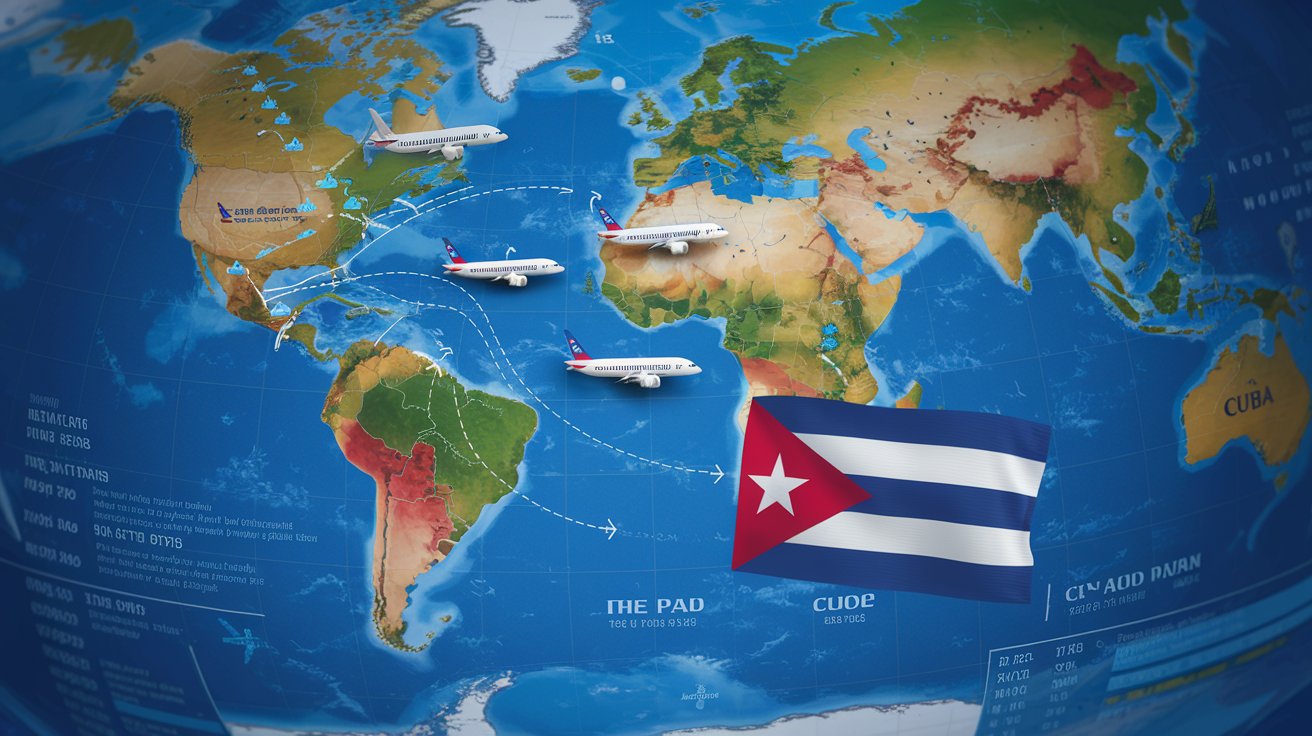
Flight times to Cuba from the United States vary significantly based on your departure city and chosen route. Direct flights from Miami to Havana take approximately 1 hour and 15 minutes, while flights from New York can take 3.5 to 8 hours depending on connections. Understanding these flight durations to Cuba helps you plan your Caribbean getaway effectively and choose the most convenient departure point for your travel needs. Direct Flight Times to Cuba from Major US Cities The shortest flight to Cuba originates from Miami, taking just 1 hour and 15 minutes to reach Havana’s José Martí International Airport. This proximity makes Miami the preferred gateway for US travelers heading to Cuba. Fort Lauderdale offers similarly short flight times at approximately 1 hour and 20 minutes, while Tampa flights typically take around 1 hour and 30 minutes to complete the journey. From New York City, direct flights to Cuba when available take approximately 3 hours and 45 minutes. However, direct service from NYC to Havana has been limited in recent years, with most travelers connecting through Miami or other Caribbean hubs. Los Angeles passengers face the longest journey, with flights typically requiring 8 to 10 hours including at least one connection, usually through Miami or Panama City. Florida to Cuba Flight Durations Florida to Cuba flights represent the most convenient option for US travelers, with multiple departure cities offering short flight times. Miami International Airport provides the most frequent service, with flights taking 1 hour and 15 minutes. Orlando flights to Havana typically take 1 hour and 45 minutes, while Jacksonville passengers can expect approximately 2 hours of flight time to reach Cuban destinations. East Coast Flight Times to Cuba East Coast travelers from cities like New York to Cuba face longer journey times, typically ranging from 5 to 8 hours including connections. Boston flights usually require 6 to 7 hours total travel time, while Washington DC passengers can expect 4 to 6 hours depending on connection efficiency. Philadelphia and Atlanta both offer connecting flights that total approximately 5 to 6 hours to reach Havana. Can You Fly Straight to Cuba from the US? Yes, you can fly directly to Cuba from several US cities, though availability varies based on current diplomatic relations and airline schedules. As of 2024, direct commercial flights operate primarily from Miami, Fort Lauderdale, and Tampa to Havana. These direct routes eliminate the need for connections and significantly reduce total travel time for passengers. Charter flights also provide direct service to Cuba from various US cities, often offering more flexible scheduling than commercial airlines. These charter services frequently operate from Miami, Tampa, and New York, providing direct access to both Havana and other Cuban destinations like Santiago de Cuba and Varadero. Distance and Geography: How Far is Cuba from the US? The distance from Miami to Cuba measures approximately 228 miles (367 kilometers) across the Florida Straits. This relatively short distance explains why Miami offers the quickest flight times to Cuban destinations. Key West, Florida, sits even closer at just 90 miles from Cuba, though commercial flights don’t operate from this smaller airport. Understanding these distances helps explain flight duration variations across different US departure cities. Cuba from Florida by plane represents the shortest possible journey, while West Coast travelers face significantly longer distances and corresponding flight times due to the need to cross the entire continental United States. Miami to Havana Flight Distance The flight from Miami to Havana covers exactly 228 miles in a straight line, making it one of the shortest international flights available from the United States. This distance allows aircraft to complete the journey in approximately 1 hour and 15 minutes under normal weather conditions, with most of the flight time spent climbing to cruising altitude and then descending for landing. Alternative Distance Measurements While you cannot drive from Miami to Cuba by car due to the ocean barrier, the distance would theoretically be the same 228 miles if a bridge existed. By boat, this journey takes 8 to 12 hours depending on vessel type and weather conditions. Some travelers ask about Cuba distance by boat from various Florida ports, with most coastal Florida cities ranging from 200 to 400 miles from Cuban shores. Connecting Flights and Alternative Routes to Cuba When direct flights aren’t available, travelers often use connecting flights to Cuba through various Caribbean hubs. Panama City serves as a popular connection point, with Copa Airlines offering frequent service. Mexico City and Cancún also provide viable connection options, particularly for West Coast travelers seeking to reach Cuba efficiently. These connecting flights typically add 2 to 6 hours to total journey time, depending on layover duration and connection efficiency. Travelers from cities like Los Angeles or Seattle often find connecting through Mexico or Panama more convenient than routing through Miami, despite potentially longer total travel times. Caribbean Hub Connections Several Caribbean islands serve as connection points for US to Cuba flights. Nassau, Bahamas offers connections that add approximately 2 hours to total travel time. Jamaica’s Kingston and Montego Bay airports also provide connecting service, typically adding 3 to 4 hours to the journey. These island connections often provide more flexible scheduling options than direct flights. Central American Connection Options Central American cities like Panama City and Mexico City serve as major connection hubs for Cuba-bound travelers. Copa Airlines operates frequent Panama-Cuba flights, while Aeromexico provides regular Mexico City-Havana service. These connections work particularly well for West Coast travelers, often providing more convenient scheduling than routing through Miami. Current Flight Availability and Airlines to Cuba 2024-2025 As of 2024, several airlines operate flights to Cuba from the US, though service levels fluctuate based on diplomatic relations and demand. American Airlines, JetBlue, and Southwest Airlines have all operated Cuba routes in recent years, with availability subject to government approval and route profitability. Charter airlines like Havana Air and Cuba Travel Services continue providing reliable service regardless of commercial airline schedule changes. Current flight schedules to Cuba show the most consistent … Leer más

Best Cayo Coco Cuba All Inclusive Resorts 2025 Guide

Cayo Coco, Cuba’s pristine island paradise, offers some of the Caribbean’s most exceptional all inclusive resorts for US travelers seeking tropical luxury. Located in the Jardines del Rey archipelago, this stunning destination features crystal-clear waters, white sand beaches, and world-class accommodations that cater to every vacation style and budget. Top Luxury All Inclusive Resorts in Cayo Coco The best luxury resorts in Cayo Coco provide unmatched service, premium amenities, and stunning beachfront locations. These properties consistently rank among Cuba’s finest accommodations, offering travelers from the United States sophisticated dining, world-class spas, and exclusive beach access. Each resort maintains high international standards while showcasing authentic Cuban hospitality and culture. Luxury properties on the island feature expansive suites, multiple gourmet restaurants, championship golf courses, and comprehensive entertainment programs. The year-round tropical climate makes these resorts perfect for any season, with average temperatures ranging from 77°F to 86°F throughout 2025. Melia Cayo Coco Resort Experience Melia Cayo Coco stands as the island’s flagship luxury all inclusive resort, featuring 250 elegantly appointed rooms and suites. This adults-only property offers seven restaurants, four bars, and a world-class spa, making it ideal for romantic getaways and sophisticated travelers. The resort’s beachfront location provides direct access to pristine white sand beaches and crystal-clear Caribbean waters. Iberostar Coral Esmeralda Premium Features Iberostar Coral Esmeralda delivers exceptional family-friendly all inclusive experiences with 396 rooms spread across beautiful tropical gardens. The resort features multiple pools, kids’ clubs, water sports facilities, and diverse dining options that satisfy every palate. Its prime location offers easy access to both beach activities and cultural excursions throughout Cayo Coco. Best Family-Friendly All Inclusive Options Family resorts in Cayo Coco excel at providing entertainment and amenities for all ages, from toddlers to grandparents. These properties feature supervised kids’ clubs, teen activities, family pools with water slides, and spacious accommodations that comfortably house multi-generational groups. The island’s safe environment and welcoming atmosphere make it an ideal destination for US families seeking Caribbean adventures. Many family-oriented resorts offer special programs including snorkeling lessons, cultural workshops, and nature exploration activities. The best time to visit for families typically falls between December and April when weather conditions are most favorable and school vacation schedules align perfectly with travel plans. Memories Flamenco Beach Resort Family Amenities Memories Flamenco Beach Resort provides outstanding family vacation experiences with extensive kids’ facilities, multiple pools, and diverse entertainment programs. The resort’s 616 rooms accommodate families of all sizes, while professional childcare services allow parents to enjoy romantic dinners and spa treatments. Daily activities include beach games, dance classes, and cultural presentations. Sol Cayo Coco Activities and Entertainment Sol Cayo Coco offers comprehensive family entertainment options including water parks, sports courts, and evening shows that showcase Cuban music and dance. The resort’s location provides easy access to flamingo watching, catamaran trips, and snorkeling adventures that create lasting family memories. Professional animation teams ensure constant engagement for guests of all ages. Budget-Friendly All Inclusive Resort Choices Affordable all inclusive resorts in Cayo Coco deliver exceptional value without compromising essential amenities and services. These properties typically offer comfortable accommodations, multiple dining venues, entertainment programs, and beach access at significantly lower prices than luxury alternatives. Budget-conscious travelers from the United States can enjoy authentic Cuban experiences while maintaining reasonable vacation costs. Value resorts focus on essential services including clean comfortable rooms, reliable meal service, basic recreational activities, and friendly staff assistance. Many budget properties in Cayo Coco provide excellent starting points for travelers wanting to explore the island’s natural beauty and cultural attractions without excessive expense. Hotel Playa Coco Value Proposition Hotel Playa Coco delivers solid budget all inclusive experiences with essential amenities including multiple restaurants, bars, pool facilities, and beachfront access. While accommodations are more basic than luxury alternatives, the property maintains cleanliness standards and provides reliable service that satisfies practical vacation needs at affordable rates. Hotel Mojito Affordable Luxury Hotel Mojito strikes an excellent balance between affordability and comfort, offering well-appointed rooms, diverse dining options, and comprehensive recreational facilities. The property’s strategic location provides convenient access to major attractions while maintaining budget-friendly pricing that appeals to cost-conscious travelers seeking quality experiences. Best Time to Visit Cayo Coco Resorts The optimal time to visit Cayo Coco depends on weather preferences, crowd levels, and pricing considerations. Peak season runs from December through April when temperatures average 80°F and rainfall remains minimal. This period offers perfect beach conditions but coincides with higher resort rates and increased tourist activity throughout the island. Shoulder seasons from May to June and November provide excellent value for money with pleasant weather, lower accommodation costs, and fewer crowds. Hurricane season extends from June through November, though Cayo Coco’s protected location significantly reduces severe weather risks compared to other Caribbean destinations. Getting to Cayo Coco from the United States US travelers reach Cayo Coco through Cayo Coco International Airport (CCC), which receives direct charter flights from major American cities including Miami, New York, and Toronto. The airport sits just 20 minutes from most resort properties, making transfers convenient and efficient. Alternative routing through Havana’s José Martí International Airport adds travel time but provides more flight options. Most travel packages from the US include round-trip flights, airport transfers, and resort accommodations in comprehensive deals. Travel regulations require US citizens to visit Cuba under specific license categories, with most resort guests traveling under Support for the Cuban People provisions that became more accessible in 2024. Resort Dining and Cuisine Options All inclusive dining in Cayo Coco showcases diverse international cuisines alongside authentic Cuban specialties. Most resorts feature multiple restaurants including buffet venues, specialty establishments, and beachside grills that cater to varied dietary preferences and culinary interests. Premium properties often include signature restaurants requiring reservations and featuring gourmet preparations. Cuban cuisine highlights fresh seafood, tropical fruits, and traditional dishes like ropa vieja and moros y cristianos. Many resorts accommodate special dietary requirements including vegetarian, vegan, and gluten-free options. The quality of resort dining has improved significantly in recent years, with many properties employing internationally trained chefs and sourcing … Leer más