
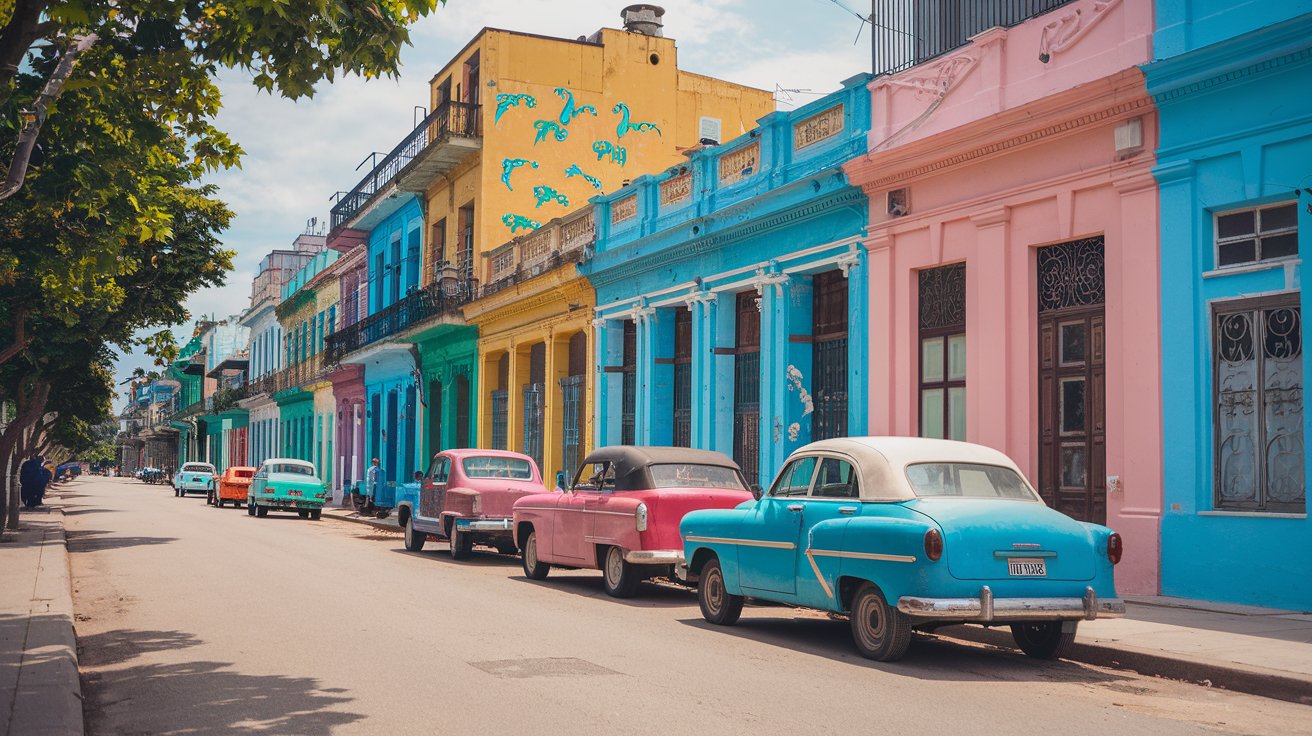
Planning your Cuban adventure requires perfect timing to maximize your experience. The best time to visit Cuba depends on your priorities: weather, budget, crowds, and activities. Cuba enjoys a tropical climate with distinct wet and dry seasons, making certain months ideal for different types of travelers. This comprehensive guide breaks down each season to help you choose the perfect time for your Cuban getaway.
Cuba’s Climate Overview: Understanding the Seasons
Cuba’s tropical climate features two main seasons that significantly impact your travel experience. The dry season runs from November through April, offering the most comfortable weather conditions with minimal rainfall and lower humidity. During this period, temperatures range from 70-80°F (21-27°C), making it the peak tourist season when prices are highest but conditions are most favorable.
The wet season spans May through October, characterized by higher temperatures, increased humidity, and frequent afternoon thunderstorms. Despite the name, rain typically occurs in short, intense bursts rather than all-day downpours. This season offers significant cost savings and fewer crowds, though hurricane season runs from June through November, with peak activity in September and October.
Dry Season Characteristics (November-April)
The dry season represents Cuba’s premium travel period, offering the most predictable and comfortable weather conditions. Average rainfall drops to just 2-3 inches per month, with humidity levels remaining manageable around 70-75%. Trade winds provide natural cooling, making outdoor activities particularly enjoyable during this time.
Wet Season Features (May-October)
Cuba’s wet season brings afternoon thunderstorms that typically last 1-2 hours, followed by clear skies and sunshine. Monthly rainfall averages 6-8 inches, with September and October experiencing the heaviest precipitation. Despite increased moisture, many travelers appreciate the lush, green landscapes and dramatic cloud formations that characterize this period.
December and January: Peak Winter Escape
December and January represent Cuba’s absolute peak season, attracting visitors seeking warm weather during North American winter months. Temperatures consistently range from 72-79°F (22-26°C) with minimal rainfall averaging just 1.5-2 inches monthly. These months offer the most reliable sunshine and comfortable conditions for beach activities, city exploration, and outdoor adventures.
However, peak season pricing applies during December and January, with accommodation costs increasing 40-60% compared to shoulder seasons. Popular destinations like Havana, Varadero, and Trinidad experience significant crowds, requiring advance reservations for restaurants, tours, and accommodations. Despite higher costs, the guaranteed excellent weather makes this period ideal for first-time visitors prioritizing comfort over budget considerations.
February and March: Optimal Weather Window
February and March offer Cuba’s most favorable conditions for outdoor enthusiasts and active travelers. These months feature the year’s lowest humidity levels, crystal-clear skies, and minimal rainfall averaging under 2 inches monthly. Temperatures remain perfect for hiking, cycling, and extended city walking tours, typically ranging from 73-81°F (23-27°C).
The ocean temperature reaches its coolest point during February and March, providing refreshing relief from the warm air temperatures. This combination creates ideal conditions for snorkeling, diving, and beach activities without the oppressive heat of summer months. Additionally, these months fall outside hurricane season, eliminating weather-related travel disruptions.
Adventure Activities in February-March
Outdoor adventure opportunities peak during February and March when comfortable temperatures and low humidity create perfect conditions for hiking the Sierra Maestra mountains, exploring Viñales Valley caves, and undertaking multi-day cycling tours across the island.
Wildlife and Nature Viewing
These months offer exceptional wildlife viewing opportunities as migratory birds visit Cuban wetlands and national parks. The clear, dry conditions provide excellent visibility for birdwatching, with over 25 endemic species more easily spotted during this period.
April and October: Shoulder Season Balance
April and October represent Cuba’s sweet spot months, offering excellent weather conditions with significantly reduced crowds and moderate pricing. April temperatures range from 75-84°F (24-29°C) with rainfall increasing slightly to 3-4 inches, while October sees temperatures of 78-85°F (26-29°C) as the wet season transitions to dry conditions.
These shoulder season months provide 20-30% savings on accommodations compared to peak winter months, while still maintaining favorable weather for most activities. April marks the end of peak season, offering lingering excellent conditions with departing crowds, while October signals the beginning of the dry season with improving weather patterns.
April Advantages
April combines peak season weather with shoulder season pricing, making it particularly attractive for budget-conscious travelers seeking optimal conditions. The month features minimal rainfall and comfortable temperatures perfect for all activities.
October Benefits
October offers improving weather conditions as the wet season concludes, with decreasing rainfall and humidity levels. Late October particularly shines with dry season weather beginning to establish itself across the island.
May, June, and September: Budget Traveler’s Paradise
Budget-conscious travelers find exceptional value during May, June, and September when accommodation prices drop 30-50% from peak season rates. While these months fall within the wet season, afternoon thunderstorms typically last only 1-2 hours, leaving plenty of time for sightseeing and activities.
Temperatures during these months range from 79-88°F (26-31°C) with higher humidity levels around 80-85%. The increased rainfall creates lush, vibrant landscapes particularly beautiful for photography and nature appreciation. Many travelers appreciate fewer crowds at popular attractions, allowing for more intimate experiences at UNESCO World Heritage sites and cultural landmarks.
July and August: Cultural Immersion Peak
July and August showcase Cuba’s vibrant cultural scene at its most energetic, with numerous festivals, outdoor concerts, and community celebrations throughout both months. The Santiago Carnival in July and Havana’s Summer Festival in August provide authentic cultural experiences unavailable during other times of year.
These months feature the highest temperatures of the year, ranging from 82-91°F (28-33°C) with intense humidity reaching 85-90%. While challenging for some visitors, the heat creates an authentic Cuban experience as locals adapt their schedules to the climate, with increased evening and nighttime activities when temperatures cool.
Festival Season Highlights
Summer festivals provide unparalleled cultural immersion opportunities, with Santiago’s Carnival featuring traditional costumes, music, and dancing that dates back centuries. These celebrations offer authentic interactions with Cuban culture impossible to experience during quieter months.
Heat Management Strategies
Successful summer travel requires adaptation strategies including early morning and late afternoon activity scheduling, frequent hydration, lightweight clothing, and seeking air-conditioned spaces during peak afternoon heat hours between 12-4 PM.
Hurricane Season Considerations (June-November)
Hurricane season significantly impacts travel planning for Cuba visits between June and November, with peak activity occurring in September and October. While direct hurricane strikes remain relatively rare, tropical storms and heavy rainfall can disrupt travel plans and outdoor activities during this period.
Travelers planning visits during hurricane season should purchase comprehensive travel insurance and maintain flexible itineraries. Monitor weather forecasts closely and consider booking accommodations with full cancellation policies. Many experienced travelers avoid September and October entirely due to increased storm activity and uncertainty.
Regional Weather Variations Across Cuba
Cuba’s diverse geography creates distinct regional microclimates that can significantly impact your travel experience depending on your chosen destinations. Eastern regions around Santiago generally experience slightly higher temperatures and more rainfall than western areas near Havana and Varadero.
The mountainous regions of Sierra Maestra and Escambray offer cooler temperatures year-round, typically 10-15°F lower than coastal areas. These highland areas provide comfortable conditions even during summer months, making them attractive destinations for hiking and nature activities when coastal regions become uncomfortably hot.
Western Cuba Climate Patterns
Western Cuba, including Havana and Varadero, experiences the country’s most moderate climate with slightly less rainfall and more consistent temperatures. This region benefits from ocean breezes that provide natural cooling throughout the year.
Eastern Cuba Weather Characteristics
Eastern Cuba tends to be warmer and wetter than western regions, with Santiago experiencing particularly intense summer heat. However, this area offers spectacular mountain scenery and cooler highland retreats in the Sierra Maestra range.
Planning Your Cuba Trip: Practical Considerations
Successful Cuba travel requires advance planning regardless of your chosen travel dates, but timing significantly impacts preparation requirements. Peak season visitors must book accommodations and popular restaurants 2-3 months in advance, while shoulder season travelers can often secure reservations just weeks ahead.
Consider your activity preferences when selecting travel dates. Beach-focused trips benefit from dry season timing, while cultural immersion experiences shine during summer festival months. Budget travelers find exceptional value during wet season months, though weather flexibility becomes essential for enjoyment.
Related video about best time of year to visit cuba
This video complements the article information with a practical visual demonstration.
What you should know
Which month is the best to go to Cuba?
February and March offer the best overall conditions for visiting Cuba, featuring optimal weather with temperatures of 73-81°F, minimal rainfall under 2 inches monthly, and low humidity levels. These months provide perfect conditions for all activities while avoiding peak season crowds and pricing of December-January.
What is the rainy season in Cuba?
Cuba’s rainy season runs from May through October, with peak rainfall occurring in September and October averaging 6-8 inches monthly. Rain typically falls in short, intense afternoon thunderstorms lasting 1-2 hours rather than all-day precipitation, allowing for morning and evening activities.
Is it safe to go to Cuba right now?
Cuba remains generally safe for tourists in 2025, with low violent crime rates and a strong focus on tourist security. However, travelers should stay updated on current political situations, economic conditions, and any travel advisories issued by the U.S. State Department before departure.
When’s it best to visit Cuba for budget travelers?
May, June, and September offer the best value for budget travelers with accommodation prices 30-50% lower than peak season rates. While these months feature increased rainfall and humidity, afternoon storms are brief, and fewer crowds mean more intimate experiences at attractions.
What is the worst time to visit Cuba?
September and October represent the most challenging months due to peak hurricane season activity, with highest rainfall and storm potential. These months feature unpredictable weather patterns that can significantly disrupt travel plans and outdoor activities throughout the island.
How does Cuba weather vary by region?
Regional variations significantly impact travel experiences across Cuba. Eastern regions around Santiago experience higher temperatures and more rainfall, while western areas near Havana enjoy more moderate conditions. Mountain regions offer cooler temperatures year-round, typically 10-15°F below coastal areas.
| Travel Period | Weather Conditions | Best For |
|---|---|---|
| December-January | 72-79°F, minimal rain, peak crowds | First-time visitors, guaranteed sunshine |
| February-March | 73-81°F, lowest humidity, clear skies | Outdoor adventures, optimal conditions |
| April & October | 75-85°F, moderate rain, fewer crowds | Balanced experience, value pricing |
| May-June & September | 79-88°F, afternoon storms, low prices | Budget travelers, fewer tourists |
| July-August | 82-91°F, high humidity, festivals | Cultural immersion, authentic experiences |