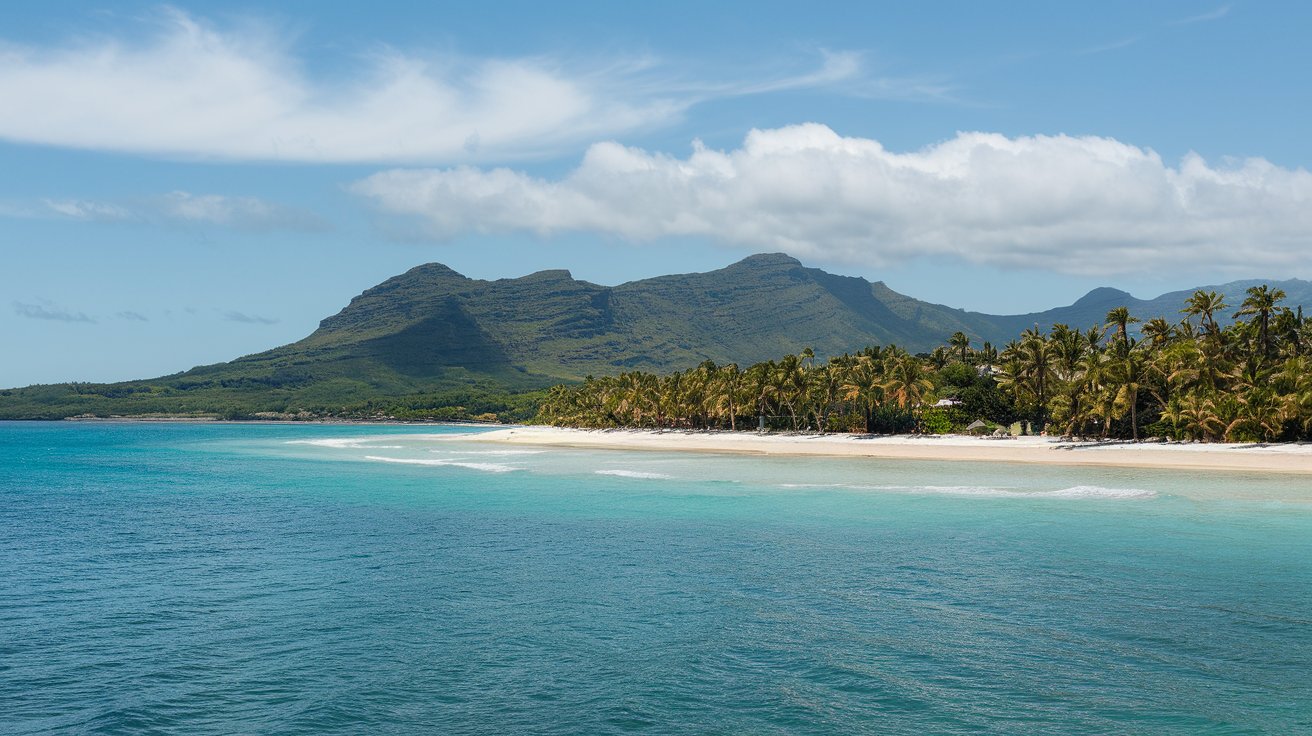
Holiday in Cuba All Inclusive 2025: Best Resorts & Packages

Planning a holiday in Cuba all inclusive offers travelers the perfect blend of Caribbean luxury and authentic Cuban culture. From pristine beaches in Cayo Coco to vibrant Havana streets, all-inclusive resorts provide hassle-free accommodations, dining, and activities. With new travel regulations for Americans in 2025, Cuba has become more accessible than ever, making it an ideal destination for couples, families, and solo travelers seeking comprehensive vacation packages. Best All Inclusive Resorts in Cuba 2025 Cuba’s all inclusive resorts have significantly upgraded their facilities and services following recent infrastructure investments. The island now boasts over 85 all-inclusive properties, with occupancy rates reaching 78% in 2024. These resorts feature world-class amenities including multiple restaurants, premium bars, water sports, and entertainment programs designed to showcase authentic Cuban culture while maintaining international hospitality standards. The best holiday in Cuba all inclusive experiences are found at properties that balance luxury accommodations with genuine local experiences. Leading resort chains have invested over $2.3 billion in Cuban properties since 2023, resulting in enhanced dining options, modernized rooms, and expanded recreational facilities that cater specifically to international guests expecting premium service levels. Melia Cayo Coco – Premium Beachfront Experience Melia Cayo Coco stands as one of Cuba’s flagship all inclusive resorts, featuring 250 renovated suites on a pristine white sand beach. The resort offers seven specialty restaurants, three bars, and exclusive access to Cayo Coco’s protected coral reef system. With 2024 guest satisfaction ratings of 4.3/5, this property excels in providing luxury amenities while maintaining authentic Cuban hospitality that creates memorable vacation experiences. Memories Flamenco Beach Resort – Family-Friendly Excellence Memories Flamenco Beach Resort caters specifically to family holiday in Cuba all inclusive needs with dedicated children’s programs, supervised activities, and family suites accommodating up to six guests. The resort features two pools, including a children’s water park, five dining venues, and nightly entertainment showcasing traditional Cuban music and dance performances that engage guests of all ages. Iberostar Selection Varadero – Adults Only Luxury Holiday in Cuba all inclusive adults only experiences reach their pinnacle at Iberostar Selection Varadero, featuring sophisticated accommodations, premium dining, and tranquil spa services. This 18+ property offers intimate settings, gourmet restaurants, and exclusive beach areas that provide the perfect romantic getaway. The resort’s wine cellar and cigar lounge showcase Cuba’s finest offerings in an elegant, adults-focused environment. Cuba Vacation Packages with Airfare Options Cuba vacation packages with airfare have become increasingly popular among US travelers, with major tour operators offering comprehensive deals starting at $1,299 per person for seven nights. These packages typically include round-trip flights from major US cities, all-inclusive resort accommodations, airport transfers, and basic travel insurance coverage. Package bookings increased by 45% in 2024 compared to previous years, reflecting growing demand for hassle-free Cuban vacations. Leading travel companies now offer holiday in Cuba all inclusive with flight packages that combine competitive airfare rates with resort accommodations. These comprehensive packages often include additional perks such as room upgrades, spa credits, or excursion vouchers. Booking packages rather than separate components typically saves travelers 15-25% compared to individual bookings, while ensuring seamless coordination between flights and accommodations. How Much Does a Holiday in Cuba Cost A holiday in Cuba all inclusive typically costs between $150-400 per person per night, depending on resort category, season, and included amenities. Budget-friendly options start around $150 nightly, while luxury resorts can exceed $400 per night during peak season (December-April). These rates include accommodations, all meals, beverages, basic activities, and entertainment, providing excellent value compared to Caribbean destinations where similar packages often cost 30-50% more. Additional expenses for Cuban vacations include visa fees ($50), travel insurance ($25-75), excursions ($40-120 per tour), and optional premium services like spa treatments or specialty dining experiences. Cheap holiday in Cuba all inclusive packages during shoulder seasons (May-June, September-November) can reduce total costs by 20-35%, while still providing access to the same resort amenities and Cuban cultural experiences. Can Americans Travel to Cuba All Inclusive Americans can legally travel to Cuba all inclusive resorts under specific authorized categories established by US regulations. The most common authorization is ‘Support for the Cuban People,’ which allows travelers to stay at approved accommodations and participate in activities that directly benefit Cuban citizens. Educational exchange programs and organized people-to-people tours also provide legal pathways for American tourists to enjoy Cuban all-inclusive experiences. US travelers must complete required documentation including visa applications, travel insurance, and accommodation confirmations before departure. All inclusive resorts Cuba that cater to American guests typically assist with regulatory compliance and provide necessary documentation. The process has been streamlined in 2024, with most applications processed within 5-7 business days through authorized travel agencies. Top Cuban Destinations for All Inclusive Holidays Varadero remains Cuba’s premier destination for all inclusive holidays, featuring 20 kilometers of pristine beaches and the highest concentration of luxury resorts. The region hosts 40% of Cuba’s all-inclusive properties, offering everything from budget-friendly options to ultra-luxury experiences. Varadero’s proximity to Havana (90 minutes) allows guests to easily explore Cuba’s capital while enjoying beachfront resort amenities. Cayo Coco and Cayo Guillermo represent Cuba’s fastest-growing holiday destinations, connected to the mainland by a scenic causeway through protected wetlands. These keys feature some of Cuba’s most exclusive resorts, pristine beaches, and world-class diving opportunities. The area’s remote location provides an intimate, secluded atmosphere while maintaining easy access to cultural attractions and natural wonders. Varadero Beach Resort Collection Varadero’s resort collection includes internationally recognized brands offering diverse experiences from family-friendly properties to sophisticated adults-only venues. The destination features over 25 all-inclusive resorts with combined capacity exceeding 15,000 rooms. Recent infrastructure improvements include upgraded dining facilities, enhanced entertainment venues, and modernized accommodations that meet international hospitality standards while preserving authentic Cuban character. Cayo Coco Exclusive Experiences Cayo Coco specializes in which premium all-inclusive experiences emphasize natural beauty and exclusivity. The destination’s resorts feature private beach access, championship golf courses, and comprehensive spa facilities set within protected natural environments. Limited resort density ensures uncrowded beaches and personalized service levels that distinguish Cayo Coco from more developed Caribbean destinations. Dining … Leer más

35 Interesting Facts About Cuba: Culture, History & More

Cuba, the largest Caribbean island, holds countless secrets and fascinating stories that captivate travelers and history enthusiasts worldwide. From its revolutionary past to its vibrant culture, Cuba offers a unique blend of Caribbean charm, Spanish colonial heritage, and socialist ideals. These 35 interesting facts about Cuba reveal the island’s rich tapestry of traditions, political complexities, and surprising realities that make it one of the most intriguing destinations in the Americas. Geographic and Basic Facts About Cuba Cuba is the largest island in the Caribbean, spanning approximately 42,426 square miles and home to over 11.3 million people as of 2024. The island nation stretches 760 miles from east to west but only 60 miles at its widest point from north to south. Cuba lies just 90 miles south of Key West, Florida, making it closer to the United States than many realize. The country consists of the main island plus over 4,000 smaller keys and islets. The capital city Havana houses nearly 2.1 million residents, making it the largest city in the Caribbean. Cuba’s coastline extends for 2,320 miles, featuring pristine beaches, coral reefs, and natural harbors. The island’s highest point is Pico Turquino at 6,476 feet, located in the Sierra Maestra mountain range where Fidel Castro’s revolutionary movement gained momentum during the 1950s. Cuba’s Revolutionary History and Political System Cuba’s history took a dramatic turn on January 1, 1959, when Fidel Castro’s revolutionary forces overthrew the Batista government. This marked the beginning of the longest-running communist government in the Western Hemisphere. Castro ruled for 47 years until transferring power to his brother Raúl in 2008, who then passed leadership to Miguel Díaz-Canel in 2018, making him Cuba’s first non-Castro leader since the revolution. The Cuban Revolution transformed the island from a playground for American tourists and businesses into a socialist state aligned with the Soviet Union. The Bay of Pigs invasion in 1961 and the Cuban Missile Crisis in 1962 brought the world to the brink of nuclear war, cementing Cuba’s place in Cold War history. Today, Cuba remains a one-party socialist state where the Communist Party controls all aspects of government and society. The US Trade Embargo Against Cuba The United States imposed a trade embargo on Cuba in 1960, making it the longest-running trade embargo in modern history at over 60 years. This embargo, known as “el bloqueo” in Cuba, restricts American businesses from conducting trade with Cuban interests and prohibits most Americans from traveling to Cuba for tourism purposes. The embargo has cost Cuba an estimated $130 billion in economic losses according to Cuban government calculations through 2024. Guantanamo Bay Naval Base Despite tense relations, the United States continues to lease the Guantanamo Bay Naval Base from Cuba, paying $4,085 per month according to a 1903 agreement. However, the Cuban government has refused to cash these rent checks since 1960 in protest of the American presence. The 45-square-mile base houses the controversial Guantanamo Bay detention camp and remains a significant point of contention between the two nations. Cuban Culture and Daily Life Fascinating Facts Cuban culture represents a vibrant fusion of Spanish, African, and indigenous Taíno influences that creates a unique Caribbean identity. Music flows through every aspect of Cuban life, from son and salsa to rumba and mambo, with legendary musicians like Benny Moré and Compay Segundo becoming international icons. Baseball, not soccer, reigns as Cuba’s most popular sport, with the island producing numerous Major League Baseball stars including José Abreu, Yasiel Puig, and Aroldis Chapman. Cuban society operates on a dual currency system that was simplified in 2021 when the Cuban Convertible Peso was eliminated, leaving only the Cuban Peso. Citizens receive monthly food rations through a system called “la libreta,” which provides basic staples but often requires supplementation through private markets. Education and healthcare remain completely free for all Cuban citizens, resulting in a 99.8% literacy rate and one of the highest doctor-to-patient ratios in the world. Cuban Food and Culinary Traditions Cuban food combines Spanish cooking techniques with African spices and Caribbean ingredients to create distinctive flavors. Rice and beans (moros y cristianos) form the foundation of most meals, accompanied by roasted pork (lechón), plantains, and yuca. The famous Cuban sandwich originated in Tampa, Florida, not Cuba, but reflects the island’s culinary influence on American cuisine. Coffee culture thrives in Cuba, with the island producing some of the world’s finest arabica beans in the Sierra Maestra mountains. Arts and Literature in Cuba Cuba has produced world-renowned writers including Ernest Hemingway, who lived in Cuba for over 20 years and wrote “The Old Man and the Sea” there. The island’s literary tradition includes poets like José Martí, the national hero, and contemporary authors like Leonardo Padura. Cuban art, from colonial architecture in Old Havana to revolutionary murals throughout the island, reflects the nation’s complex history and political evolution. Unique Transportation and Infrastructure Facts Cuba’s streets showcase one of the world’s largest collections of classic American automobiles from the 1950s, with over 60,000 vintage cars still operating daily. These iconic vehicles, known as “almendrones,” became frozen in time due to the US embargo preventing new car imports. Cuban mechanics have become masters of improvisation, keeping these classic cars running with Russian parts, homemade components, and incredible ingenuity. Public transportation in Cuba includes the famous “camels” – articulated buses that can carry up to 300 passengers, resembling the humped shape of a camel. Horse-drawn carts remain common in rural areas and smaller cities, while Havana features an limited metro system serving only a small portion of the capital. Internet access has expanded significantly since 2015, but remains expensive and limited, with most Cubans accessing wifi through government-controlled hotspots in public parks and hotels. Environmental and Natural Wonders of Cuba Cuba boasts remarkable biodiversity with over 7,000 plant species, of which 3,000 are endemic to the island. The country hosts the world’s smallest bird, the bee hummingbird, which weighs less than a penny and measures just 2.25 inches long. Cuban crocodiles, found only in the Zapata … Leer más

UK to Cuba Flight Time: Direct Routes & Travel Duration Guide

Planning a journey from the UK to Cuba? The flight time from UK to Cuba typically ranges from 9 to 14 hours depending on your departure city and connections. Direct flights from London to Havana take approximately 9 hours and 30 minutes, while routes from Manchester to Cuba require at least one stopover, extending travel time to 12-14 hours. This comprehensive guide covers all major UK departure points, airline options, and essential travel information for your Cuban adventure. Direct Flight Options from UK to Cuba The most convenient way to reach Cuba from the UK is through direct flights to Cuba from UK airports. Virgin Atlantic operates the primary direct service from London Gatwick to Havana, with a flight duration of approximately 9 hours and 30 minutes westbound and 8 hours and 45 minutes eastbound due to prevailing winds. This route operates year-round with varying frequency depending on seasonal demand. Unfortunately, there are currently no direct flights from Manchester to Cuba or other UK regional airports. Passengers departing from cities outside London must connect through either London or European hubs such as Madrid, Paris, or Amsterdam. The lack of direct regional services means travelers from northern England, Scotland, or Wales should factor in additional connection time when planning their journey. London to Havana Direct Service The London to Havana flight time on Virgin Atlantic’s direct service averages 9 hours and 30 minutes for westbound flights. The aircraft typically used is the Boeing 787 Dreamliner, offering enhanced comfort for long-haul travel. Departure times are strategically scheduled to optimize connections and arrival times in Cuba, usually departing London Gatwick in the early afternoon and arriving in Havana during late afternoon local time. Seasonal Schedule Variations Direct flight frequency varies significantly between peak winter season (December through April) and summer months. During peak season, Virgin Atlantic operates up to three weekly flights, while summer schedules may reduce to one or two weekly departures. These seasonal variations affect UK to Cuba flight time availability, making advance booking essential during high-demand periods when British travelers escape to Cuba’s warm climate. Connecting Flight Routes and Airlines Most UK travelers to Cuba utilize connecting flights through major European hubs or North American gateways. Popular routing options include connections via Madrid with Iberia, Paris with Air France, or Amsterdam with KLM. These connecting routes typically extend total travel time to 12-16 hours including layover periods, but often provide more flexible scheduling and competitive pricing compared to direct flights. Major airlines serving UK-Cuba routes with connections include Iberia, Air France, KLM, and Lufthansa through their respective European hubs. Some travelers also choose to connect through North American cities like Toronto, Mexico City, or Panama City, though these routing options generally result in longer overall journey times exceeding 15 hours. European Hub Connections European connections offer the most efficient alternative to direct flights for UK to Cuba travel. Madrid serves as the primary European gateway with Iberia offering multiple daily connections to Havana with total journey times of 11-13 hours including layover. Air France connections through Paris Charles de Gaulle typically require 4-6 hour layovers, while KLM Amsterdam connections often provide same-day arrivals with strategic scheduling. North American Gateway Options Some UK travelers prefer routing through North American hubs, particularly Toronto or Mexico City, which can offer competitive pricing during certain seasons. These routes extend total travel time to 14-18 hours but may provide advantages for travelers continuing to other Caribbean destinations or those seeking specific airline loyalty benefits. Air Canada, Aeromexico, and Copa Airlines operate these connecting services with varying frequency throughout the year. TUI Flights to Cuba from UK TUI flights to Cuba operate seasonally from multiple UK airports including Manchester, Birmingham, and London Gatwick. These charter services typically run from November through April, coinciding with Cuba’s dry season and peak UK winter travel demand. TUI’s Cuba program includes both Havana and Varadero destinations, with flight times varying based on departure airport and specific Cuban destination. TUI’s Manchester to Cuba flight time averages 10-11 hours for their direct charter services to Varadero, making it one of the few options for northern England travelers to avoid London connections. These flights operate weekly during peak season using Boeing 767 or 787 aircraft, with all-inclusive holiday packages being the primary booking option rather than flight-only tickets. Regional UK Airports to Cuba Travelers departing from regional UK airports face longer total journey times due to mandatory connections. Manchester to Cuba flights without TUI’s seasonal charter service require connections through London, European hubs, or other international gateways. Edinburgh, Glasgow, and Belfast passengers typically connect through London Heathrow or European cities, adding 3-5 hours to total travel time. Birmingham, Bristol, and other regional airports offer limited international connectivity to Cuba, with most passengers choosing to connect through London airports or drive to London for direct departures. The additional connection time significantly impacts overall travel duration, often extending total journey time to 14-18 hours including ground transportation and connection periods. Northern England Departure Options Manchester serves as the primary northern England gateway for Cuban travel, offering both TUI seasonal charters and connections through European hubs. Manchester to Cuba flight time via connections typically ranges from 12-15 hours, while TUI’s direct seasonal service reduces this to approximately 10 hours. Leeds Bradford and Liverpool passengers often choose Manchester connections or direct rail/road transport to London airports for more flight options. Scottish Airport Connections Edinburgh and Glasgow airports provide connections to Cuban destinations primarily through London Heathrow, Amsterdam, or Paris hubs. Scottish travelers face extended journey times of 15-18 hours including domestic UK connections and international transfers. British Airways, KLM, and Air France offer the most reliable connection options with coordinated scheduling to minimize total travel time. Budget Airline Options and Limitations Budget carriers like Ryanair do not operate direct services to Cuba, leading to confusion among travelers searching for UK to Cuba flight time Ryanair options. Ryanair’s network focuses primarily on European destinations and select North African routes, making Cuban connections impossible within their route structure. … Leer más

Cuba Holidays 2024 All Inclusive: Best Resorts & Packages

Planning Cuba holidays 2024 all inclusive from the United States offers travelers an unparalleled Caribbean experience with pristine beaches, rich culture, and exceptional value. With new travel regulations and expanded resort options, 2024 presents the perfect opportunity to explore Cuba’s stunning coastlines through comprehensive all-inclusive packages that cover accommodation, meals, drinks, and activities in one convenient booking. Can You Vacation in Cuba in 2024 from the USA Yes, US citizens can legally travel to Cuba holidays 2024 all inclusive under specific authorized categories established by the Office of Foreign Assets Control (OFAC). The most accessible option for tourists is the ‘Support for the Cuban People’ category, which allows independent travel and bookings with Cuban-owned businesses. Educational exchanges, religious activities, and family visits also qualify as legal travel purposes. For all inclusive resorts Cuba adults only bookings, travelers must ensure their accommodation and tour operators comply with US regulations. Major travel companies now offer compliant packages that include required educational components, making it easier than ever to book legitimate Cuba vacation packages. Documentation requirements include a valid US passport and completion of travel affidavits confirming the purpose of your visit. Best Cuba All Inclusive Resorts for 2024 The top best Cuba holidays 2024 all inclusive resorts combine luxury accommodations with authentic Cuban experiences. These properties offer comprehensive packages including gourmet dining, premium beverages, water sports, and cultural activities that showcase Cuba’s rich heritage and natural beauty. Melia Cayo Coco Resort Complex Melia Cayo Coco stands as a premier destination for Cuba holidays 2024 all inclusive with flight packages, featuring over 250 rooms across beachfront and garden settings. The resort offers five restaurants, four bars, a full-service spa, and direct access to one of Cuba’s most pristine beaches. Guests enjoy complimentary snorkeling equipment, kayaks, and daily entertainment programs showcasing traditional Cuban music and dance performances. Memories Flamenco Beach Resort This adults-only resort caters specifically to couples seeking all inclusive resorts Cuba adults only experiences with sophisticated amenities and romantic settings. Located on Cayo Coco’s northern coast, Memories Flamenco features three specialty restaurants, two pools including an infinity pool, and a world-class spa offering couples massage treatments. The property’s beachfront location provides stunning sunset views and calm waters perfect for swimming and water sports. Iberostar Selection Varadero Positioned along Varadero’s famous 20-kilometer beach, this resort offers comprehensive Cuba holidays 2024 all inclusive with airfare packages that include airport transfers and domestic flights. The property features eight restaurants, six bars, multiple pools, a kids’ club, and extensive recreational facilities. Guests can enjoy complimentary golf at the on-site 18-hole course, tennis courts, and a full calendar of cultural activities highlighting Cuban traditions. Which Part of Cuba is Best for All-Inclusive Vacations Selecting the ideal region for your vacation Cuba holidays 2024 all inclusive depends on your preferences for activities, scenery, and cultural experiences. Each destination offers unique advantages for different types of travelers seeking the perfect Caribbean getaway. Varadero Peninsula Advantages Varadero remains Cuba’s most developed resort destination, offering the highest concentration of Cuba holidays 2024 all inclusive properties with international standards. The 20-kilometer stretch of white sand beach provides calm, shallow waters ideal for swimming and water sports. Varadero’s proximity to Havana (90 minutes by car) allows for easy day trips to explore Cuba’s capital city, making it perfect for travelers wanting both beach relaxation and cultural immersion. Cayo Coco and Cayo Guillermo Islands These pristine cays offer the most secluded best Cuba holidays 2024 all inclusive experiences with unspoiled natural beauty and exclusive resort access. Connected by causeway to the mainland, these islands feature powdery white beaches, crystal-clear waters, and abundant wildlife including flamingos and tropical birds. The remote location provides a more intimate vacation atmosphere with fewer crowds and preserved coral reefs perfect for snorkeling and diving adventures. Cuba Holidays 2024 All Inclusive with Flight Packages Cuba holidays 2024 all inclusive with flight packages from the United States typically range from $1,200 to $3,500 per person for seven-day stays, depending on departure city, resort category, and travel dates. Major tour operators like Apple Vacations, Sunwing, and Hola Sun offer comprehensive packages that include roundtrip flights, airport transfers, accommodation, all meals, beverages, and resort activities. Peak season pricing (December through April) commands premium rates due to optimal weather conditions and high demand. Cheap Cuba holidays 2024 all inclusive options are most available during shoulder seasons (May-June and September-November) when travelers can save 20-40% on package prices while still enjoying excellent weather and full resort amenities. Booking 3-6 months in advance typically secures the best rates and resort availability. What Items Are Hard to Get in Cuba in 2024 Understanding supply limitations helps travelers pack appropriately for their Cuba holidays 2024 all inclusive experience. While resorts provide most necessities, certain items remain scarce or expensive throughout the island due to ongoing economic challenges and import restrictions. Essential items to bring include high-SPF sunscreen, insect repellent, over-the-counter medications, toiletries with specific brand preferences, and electronics accessories like phone chargers and adapters. While all inclusive resorts Cuba properties stock basic toiletries, familiar brands and specialized products are often unavailable or significantly more expensive than US prices. Adults Only All Inclusive Options in Cuba All inclusive resorts Cuba adults only properties have expanded significantly in 2024, offering sophisticated vacation experiences tailored to couples and mature travelers. These resorts feature upscale dining venues, premium bar selections, spa services, and evening entertainment designed for adult preferences without the presence of children or family-oriented activities. Top adults-only properties include Memories Flamenco, Iberostar Selection Esmeralda, and Grand Memories Varadero, each offering unique amenities like swim-up bars, couples massage treatments, and romantic beachfront dining options. These resorts typically command 15-25% higher rates than family-friendly properties but provide more intimate atmospheres and specialized services that enhance the romantic vacation experience. Budget-Friendly Cuba All Inclusive Deals 2024 Securing cheap Cuba holidays 2024 all inclusive packages requires strategic timing and flexible travel dates. The most affordable options typically occur during late spring (May-June) and early fall (September-October) when hurricane risks are minimal but demand … Leer más

Worst Time to Visit Cuba: Weather, Costs & Travel Tips 2025

The worst time to visit Cuba from the United States typically falls during hurricane season from June through November, with September and October being particularly challenging. During these months, travelers face severe weather risks, higher accommodation costs, and potential flight cancellations that can disrupt vacation plans significantly. Hurricane Season: The Most Dangerous Period The hurricane season in Cuba runs from June 1st through November 30th, representing the absolute worst time to visit the island. During this period, Cuba experiences an average of 6-8 tropical storms annually, with 2-3 developing into major hurricanes. The 2024 hurricane season brought Category 4 storms that caused widespread power outages and infrastructure damage across the island. US travelers should particularly avoid September and October, which historically see the most intense hurricane activity. The National Hurricane Center reports that 78% of major hurricanes affecting Cuba occur during these two months, making travel extremely risky and unpredictable for American tourists. September: Peak Hurricane Risk September represents the worst month to visit Cuba due to peak hurricane activity and extreme weather conditions. Sea temperatures reach 84°F (29°C), fueling powerful storm systems, while humidity levels soar above 85%. American travelers face flight cancellation rates exceeding 40% during this period, with many airlines suspending Cuba routes entirely when storms approach. October: Continued Storm Threats October continues the dangerous weather pattern with late-season hurricanes that can be particularly destructive. While storm frequency decreases slightly compared to September, the hurricanes that do form tend to be more intense and slower-moving. US tourists visiting during October 2024 experienced widespread evacuations and resort closures due to Hurricane Oscar’s impact. Rainy Season Challenges Cuba’s rainy season extends from May through October, coinciding with the hurricane period and creating additional travel complications. During these months, the island receives 60-70% of its annual rainfall, with daily afternoon thunderstorms becoming routine occurrences that can last 2-3 hours. The combination of heavy rainfall and high humidity creates uncomfortable conditions for outdoor activities and sightseeing. Streets in Havana frequently flood during intense downpours, while rural areas become difficult to navigate due to muddy roads and poor drainage systems. June Through August: Wet Season Begins The early rainy season months bring daily precipitation averaging 6-8 inches per month, significantly impacting outdoor tourism activities. Beach conditions deteriorate with rough seas and frequent storms, while popular attractions like Trinidad and Viñales Valley experience limited accessibility due to muddy hiking trails and poor road conditions. Temperature and Humidity Extremes During the rainy season, Cuba temperatures consistently reach 88-92°F (31-33°C) with humidity levels exceeding 80%. This combination creates a heat index often surpassing 105°F (40°C), making outdoor exploration extremely uncomfortable for US visitors accustomed to air conditioning and more temperate climates. Peak Tourism Season Drawbacks While December through April offers the best weather, this peak tourism season presents significant disadvantages for budget-conscious American travelers. Hotel rates increase by 150-200% compared to low season, with luxury resorts charging $400-600 per night during Christmas and New Year periods. Popular destinations become severely overcrowded, with Havana’s historic center experiencing tourist densities that make comfortable exploration nearly impossible. Restaurants require reservations weeks in advance, while key attractions like the Malecón and Plaza de Armas become packed with tour groups throughout the day. December Through February: Expensive Peak Season The winter months attract the highest number of American tourists escaping cold weather, driving accommodation costs to annual peaks. Casa particular prices double from $40 to $80 per night, while popular excursions to Varadero and Cayo Coco require booking 2-3 months in advance due to limited availability. March and April: Continued High Costs Spring months maintain elevated tourism prices as Americans continue seeking warm weather destinations. Flight costs from major US cities remain 60-80% higher than summer rates, while car rental prices peak at $70-90 per day compared to $30-40 during off-season periods. Infrastructure and Service Limitations Cuba’s aging infrastructure creates significant challenges during both extreme weather periods and peak tourism seasons. The island’s electrical grid experiences frequent outages, with blackouts affecting 40-60% of the country during severe weather events. American tourists often find themselves without air conditioning, hot water, or reliable communication services. Transportation systems face severe strain during busy periods, with rental car shortages and limited bus services creating mobility challenges. The recent expansion of US-Cuba travel has overwhelmed existing infrastructure, leading to longer wait times and reduced service quality across all tourism sectors. Regional Weather Variations Different regions of Cuba experience varying degrees of weather challenges throughout the year. Eastern Cuba, including Santiago de Cuba and Baracoa, receives higher rainfall totals and faces greater hurricane exposure due to its Caribbean Sea location. These areas often experience 20-30% more precipitation than western regions during storm season. The central provinces around Trinidad and Sancti Spíritus face unique challenges with mountain weather patterns that can change rapidly. Flash flooding in these areas has increased by 40% since 2020, making travel particularly hazardous during the rainy season months. Travel Restrictions and Political Considerations Beyond weather concerns, American travelers must navigate complex US-Cuba travel regulations that can change rapidly based on political developments. The current administration maintains restrictions requiring specific travel categories, with violations potentially resulting in substantial fines and legal complications. Recent diplomatic tensions have led to reduced flight availability and increased scrutiny of American tourists. Service disruptions at Cuban airports and limited embassy services create additional risks, particularly during emergency situations when immediate assistance may be unavailable. Related video about worst time to visit cuba This video complements the article information with a practical visual demonstration. Key Questions and Answers What months should you avoid visiting Cuba? Avoid visiting Cuba from June through November, particularly September and October. These months represent hurricane season with severe weather risks, flight cancellations, and infrastructure disruptions. September experiences the highest hurricane activity with 40% flight cancellation rates for American travelers. Why is September the worst time to visit Cuba? September combines peak hurricane activity, extreme humidity above 85%, and sea temperatures of 84°F that fuel powerful storms. This month sees 78% of major hurricanes … Leer más

Bay of Pigs Invasion Drawing: Historical Art & Visual Guide

The Bay of Pigs invasion drawing serves as a powerful visual medium to understand one of the most significant Cold War events. Artists, historians, and students have created compelling visual representations of the failed 1961 CIA-sponsored invasion of Cuba, capturing the dramatic moments that shaped US-Cuban relations for decades. Understanding the Bay of Pigs Invasion Through Visual Art Visual representations of the Bay of Pigs invasion provide unique insights into this pivotal moment in American foreign policy. Artists have depicted various aspects of the operation, from the initial planning stages to the dramatic beach landings at Playa Girón. These drawings often emphasize the human cost of the failed mission and the political tensions between the United States and Cuba during the height of the Cold War. Historical drawings of the Bay of Pigs frequently showcase key elements such as Brigade 2506 soldiers, B-26 bombers, and the swampy terrain that proved so challenging for the invasion force. Contemporary artists continue to create new interpretations, using the invasion as a subject for exploring themes of imperialism, failed foreign policy, and the consequences of covert military operations. Historical Context Behind Bay of Pigs Invasion Drawings The purpose of the Bay of Pigs invasion was to overthrow Fidel Castro’s communist government in Cuba, which had taken power in 1959. This CIA-planned operation aimed to use Cuban exiles trained in Guatemala to establish a beachhead and trigger a popular uprising against Castro. Artists depicting this event often focus on the stark contrast between American expectations and the harsh reality that unfolded between April 17-19, 1961. Visual artists have captured the invasion’s execution by President John F. Kennedy’s administration, though Kennedy ultimately withdrew crucial air support that doomed the operation. Drawings often portray the isolated feeling of Brigade 2506 members as they realized American backing had been reduced, leaving them vulnerable to Castro’s forces who were better prepared than intelligence had suggested. Why the Bay of Pigs Invasion Failed: Visual Analysis Artistic interpretations help explain why the Bay of Pigs invasion went so wrong through powerful visual storytelling. Drawings often depict the lack of popular Cuban support for the invasion, contrary to CIA predictions that Cubans would rise up against Castro. The visual medium effectively shows how the invasion force of approximately 1,400 men faced overwhelming odds against Castro’s military, which numbered around 200,000 troops. Many Bay of Pigs drawings illustrate the tactical failures that plagued the operation, including poor intelligence, inadequate air cover, and the challenging terrain of the Zapata Peninsula. Artists frequently emphasize the moment when promised American air support failed to materialize, leaving the exile brigade exposed and ultimately leading to the capture of over 1,100 fighters within 72 hours. Artistic Techniques in Bay of Pigs Historical Drawings Contemporary artists use various techniques when creating Bay of Pigs invasion drawings, often employing dramatic contrasts to highlight the chaos and tragedy of the event. Many artists utilize dark, muted colors to represent the swampy landing zones and the somber mood of the failed operation. Pencil sketches and charcoal drawings are particularly effective in capturing the gritty reality of combat and the emotional weight of the historical moment. Educational institutions across the United States commission historical drawings of the Bay of Pigs to help students visualize this complex Cold War event. These artistic works often focus on key figures such as President Kennedy, CIA Director Allen Dulles, and Brigade 2506 commander José Pérez San Román, providing human faces to what might otherwise remain abstract historical concepts. Educational Value of Bay of Pigs Visual Representations Teachers and historians recognize that Bay of Pigs invasion drawings serve as powerful educational tools for understanding Cold War dynamics. Visual representations help students grasp the geographical challenges faced by the invasion force, including the difficult terrain of the Bay of Pigs area and the strategic advantages held by Castro’s defending forces. These drawings often include maps and tactical diagrams that illustrate the invasion route and key battle locations. Modern educational materials increasingly incorporate artistic interpretations of the Bay of Pigs invasion to engage students who learn better through visual media. These drawings help explain complex political concepts such as covert operations, proxy warfare, and the domino theory that influenced American foreign policy during the 1960s, making abstract geopolitical concepts more accessible to contemporary audiences. Notable Artists and Their Bay of Pigs Interpretations Several prominent artists have created memorable Bay of Pigs invasion drawings that capture different aspects of this historical event. Cuban-American artists, in particular, bring personal and cultural perspectives to their interpretations, often emphasizing the human tragedy experienced by exile families and the lasting impact on Cuban-American communities throughout the United States. Their work frequently explores themes of loss, displacement, and the complex relationship between homeland and exile. Political cartoonists and editorial artists have also contributed significantly to the visual legacy of the Bay of Pigs, creating satirical and critical interpretations that examine American foreign policy failures. These works often focus on the political consequences for the Kennedy administration and the long-term damage to US-Latin American relations, using artistic metaphor and symbolism to convey complex political messages. Digital Age Bay of Pigs Invasion Artwork The digital revolution has enabled new forms of Bay of Pigs invasion drawing through computer graphics, digital illustration, and interactive media. Contemporary digital artists use advanced software to create detailed reconstructions of the invasion, incorporating historical photography, satellite imagery, and eyewitness accounts to produce increasingly accurate visual representations of the 1961 events. Online educational platforms now feature interactive Bay of Pigs drawings that allow users to explore different aspects of the invasion through clickable elements and multimedia presentations. These digital interpretations often include audio testimonies from survivors, historical documents, and animated sequences that help viewers understand the chronology and complexity of the three-day operation that forever changed US-Cuban relations. Collecting and Preserving Bay of Pigs Historical Art Museums and private collectors across the United States actively seek Bay of Pigs invasion drawings as important historical artifacts that document American Cold War history. The Smithsonian … Leer más

Best Hotels in Havana Cuba 2025: Top Luxury & Boutique Stays

Havana’s hotel scene combines colonial elegance with modern luxury, offering discerning travelers exceptional accommodations in Cuba’s vibrant capital. From restored mansions in Old Havana to contemporary boutique properties, these carefully selected hotels represent the finest hospitality experiences available to visitors exploring this captivating Caribbean destination in 2025. Luxury Colonial Hotels in Old Havana Old Havana’s colonial architecture provides the perfect backdrop for Cuba’s most prestigious hotel properties. These meticulously restored buildings offer guests an authentic Cuban experience while maintaining international luxury standards. The cobblestone streets and UNESCO World Heritage surroundings create an unparalleled atmosphere for travelers seeking historical authenticity combined with modern comfort. The best luxury hotels in this area feature original architectural details including high ceilings, ornate moldings, and traditional Cuban tiles. Many properties occupy former aristocratic mansions, providing guests with spacious rooms and suites that reflect Cuba’s rich cultural heritage while offering contemporary amenities expected by international visitors. Gran Hotel Manzana Kempinski La Habana This five-star property represents Cuba’s first luxury international hotel chain, occupying a beautifully restored 1917 building on the edge of Old Havana. The Kempinski features 246 elegant rooms and suites, rooftop pools, and multiple dining venues that showcase both international cuisine and authentic Cuban flavors. Guests enjoy premium amenities including spa services, concierge assistance, and direct access to Havana’s main shopping and cultural attractions. Hotel Saratoga Located near the Capitol Building, Hotel Saratoga offers refined accommodations in a neoclassical building that combines historical elegance with contemporary luxury. The property features 96 rooms and suites, each uniquely decorated with Cuban art and furnishings. The rooftop terrace provides stunning views of Havana’s skyline, while the ground-level restaurant serves exceptional Cuban and international cuisine to both guests and local dignitaries. Best Boutique Hotels for Intimate Stays Boutique properties in Havana offer personalized service and unique character that larger hotels cannot match. These intimate accommodations typically feature fewer than 50 rooms, allowing for customized experiences and attention to detail. Many boutique hotels occupy converted colonial homes or mansions, providing guests with authentic architectural features and locally-inspired design elements that reflect Cuba’s artistic heritage. The best boutique hotels emphasize cultural immersion through carefully curated art collections, locally-sourced furnishings, and partnerships with Cuban artists and craftspeople. Guests can expect personalized concierge services, unique dining experiences featuring traditional Cuban recipes, and intimate common areas that encourage interaction with fellow travelers and local culture. Hotel Telegrafo This historic boutique property occupies a prime location in Old Havana, offering 63 rooms and suites in a beautifully restored 19th-century building. The hotel features original architectural details including marble floors, wrought-iron balconies, and period furnishings that transport guests to Cuba’s golden age. The rooftop bar provides panoramic city views, while the ground-floor restaurant serves authentic Cuban cuisine prepared with locally-sourced ingredients. Casa Granda Hotel Although technically located in Santiago de Cuba, Casa Granda deserves mention as a premier boutique experience that exemplifies Cuban hospitality standards. This property demonstrates the level of service and authenticity that travelers can expect from Cuba’s finest boutique accommodations, featuring traditional architecture, personalized service, and immersive cultural experiences that connect guests with local traditions and customs. Where to Stay: Best Neighborhoods in Havana Choosing the right neighborhood significantly impacts your Havana hotel experience. Old Havana (Habana Vieja) offers the most authentic colonial atmosphere with walking access to major historical sites, museums, and restaurants. This UNESCO World Heritage area provides the quintessential Cuban experience but can be crowded with tourists during peak seasons. Vedado district appeals to travelers seeking a more residential feel with tree-lined streets, art deco architecture, and proximity to modern amenities. This area features numerous casa particulares and boutique hotels that offer quieter accommodations while maintaining easy access to Old Havana’s attractions via taxi or classic car tours that have become synonymous with the Cuban travel experience. Casa Particulares: Authentic Cuban Homestays Casa particulares represent a uniquely Cuban accommodation option that allows travelers to stay in private homes with local families. These licensed homestays provide authentic cultural immersion while offering comfortable accommodations at more affordable rates than traditional hotels. Many casa particulares occupy beautiful colonial homes with original architectural features and family heirlooms that reflect generations of Cuban history. The best casa particulares in Havana offer private rooms with en-suite bathrooms, air conditioning, and often include breakfast prepared with traditional Cuban recipes. Hosts typically provide valuable local insights, restaurant recommendations, and assistance with transportation arrangements. This accommodation style particularly appeals to travelers seeking authentic interactions with Cuban culture and families. Casa Colonial 1915 This exceptional casa particular occupies a meticulously maintained colonial mansion in Old Havana, offering guests authentic period details including original tile work, high ceilings, and antique furnishings. The property features multiple guest rooms, each uniquely decorated with Cuban art and family photographs that tell the story of Havana’s rich cultural heritage through personal narratives and historical artifacts. Villa Loma Linda Located in the residential Vedado area, this elegant casa particular provides a quieter alternative to Old Havana’s bustle while maintaining easy access to major attractions. The villa features spacious rooms with private bathrooms, a beautiful garden courtyard, and personalized service from hosts who speak multiple languages and provide extensive local knowledge to enhance guests’ Cuban experience. Hotel Amenities and Services in Havana Modern amenities in Havana hotels vary significantly depending on property category and price point. Luxury hotels typically offer reliable air conditioning, WiFi access, room service, and concierge services, though internet connectivity may be slower than international standards. Many properties feature rooftop terraces, swimming pools, and spa services that provide respite from Havana’s tropical climate. The best hotels provide additional services including classic car tours, live music performances, cooking classes, and cultural excursions that showcase authentic Cuban experiences. Restaurant facilities range from casual cafes to fine dining establishments featuring both international cuisine and traditional Cuban dishes prepared with locally-sourced ingredients and time-honored recipes passed down through generations. US Citizens Travel Requirements for Cuban Hotels US citizens can legally stay in Cuban hotels under specific travel categories including educational activities, professional research, religious activities, and … Leer más

Weather in Cuba in September: Complete Travel Guide 2025

September in Cuba offers warm tropical weather with average temperatures ranging from 75°F to 88°F (24°C to 31°C), making it an excellent time for travelers seeking fewer crowds and lower prices. While this month falls within Cuba’s rainy season, the showers are typically brief afternoon downpours that cool the air and create stunning sunsets. Understanding Cuba’s September weather patterns helps you pack appropriately and plan activities that maximize your Caribbean adventure. September Temperature and Climate Overview Cuba’s September temperatures remain consistently warm throughout the month, with daytime highs averaging 88°F (31°C) and nighttime lows around 75°F (24°C). The humidity levels typically range between 70-85%, creating a tropical atmosphere that feels warmer than the actual temperature. Coastal areas like Havana and Varadero experience slightly cooler breezes from the ocean, while inland regions such as Trinidad and Cienfuegos can feel more humid and intense during midday hours. The best time to visit Cuba in September is during the early morning hours and late afternoon when temperatures are more comfortable for outdoor activities. Sea temperatures remain warm at approximately 84°F (29°C), perfect for swimming, snorkeling, and water sports. Trade winds provide natural air conditioning, especially along the northern coast where most popular tourist destinations are located. Rainfall Patterns and Hurricane Season September marks the peak of Cuba’s rainy season, with an average of 6-8 inches of rainfall throughout the month. However, contrary to common misconceptions, rain in Cuba during September typically occurs as brief, intense afternoon showers lasting 30-60 minutes. These tropical downpours usually happen between 2:00 PM and 5:00 PM, allowing for clear mornings and evenings perfect for sightseeing and beach activities. Hurricane season in Cuba runs from June through November, with September being historically one of the more active months. While direct hits are relatively rare, travelers should monitor weather forecasts and consider purchasing travel insurance. Most modern hotels and resorts have excellent hurricane preparedness protocols, and the Cuban meteorological service provides accurate early warning systems that give tourists ample time to adjust their plans if necessary. Regional Weather Variations Western Cuba, including Havana and Pinar del Río, experiences slightly less rainfall in September compared to eastern regions. Havana’s September weather averages 5-6 inches of rain, while Santiago de Cuba in the east can receive 8-10 inches. The Escambray Mountains in central Cuba create microclimates that can be 3-5 degrees cooler and receive more precipitation than coastal areas. Daily Weather Patterns Typical September days in Cuba begin with clear skies and comfortable temperatures around 75°F. By mid-morning, temperatures rise rapidly, reaching peak heat between 12:00 PM and 3:00 PM. Afternoon thunderstorms provide natural cooling, dropping temperatures by 8-10 degrees temporarily. Evenings are pleasant with temperatures settling around 78-82°F, perfect for outdoor dining and nightlife activities. What to Wear in Cuba in September Packing for Cuba in September requires lightweight, breathable clothing that can handle both intense heat and sudden rain showers. Cotton and linen fabrics work best for the humid climate, while synthetic moisture-wicking materials are excellent for active pursuits. Essential items include lightweight long pants for air-conditioned restaurants and religious sites, comfortable walking shoes that dry quickly, and a compact umbrella or rain jacket for afternoon showers. Swimwear is essential year-round in Cuba, and September’s warm sea temperatures make it perfect for multiple beach days. Pack at least two swimsuits to ensure you always have a dry option. Sun protection is crucial, including wide-brimmed hats, UV-protective clothing, and reef-safe sunscreen with at least SPF 30. Light layers allow you to adjust to varying temperatures throughout the day and heavily air-conditioned indoor spaces. Essential Clothing Items Your September Cuba wardrobe should include 4-5 lightweight t-shirts, 2-3 pairs of shorts, one pair of lightweight long pants, a light sweater for air conditioning, comfortable sandals, closed-toe walking shoes, and sleepwear that keeps you cool. Quick-dry clothing is particularly valuable given the high humidity and frequent afternoon showers that characterize this month. Weather-Specific Accessories Beyond clothing, pack a compact travel umbrella, waterproof phone case, insect repellent for evening activities, aloe vera gel for sun exposure, and a small daypack with waterproof compartments. Footwear for Cuba should include water-resistant options since cobblestone streets in Old Havana can become slippery when wet from afternoon rains. Crowds and Costs in September September represents one of the best value months for visiting Cuba, with significantly lower accommodation prices and fewer tourists compared to peak winter months. Hotel rates can be 30-50% lower than December through March pricing, and popular attractions like the Museum of the Revolution and El Capitolio experience shorter wait times. This shoulder season pricing extends to rental cars, guided tours, and restaurant reservations, making it an ideal time for budget-conscious travelers. The reduced crowds mean more authentic interactions with locals and better photo opportunities at iconic locations like the Malecón and Plaza de Armas. September travel advantages include easier access to popular paladares (private restaurants), more personalized service at hotels, and greater flexibility in changing travel plans. However, some seasonal businesses in beach resort areas may have reduced hours or be closed for maintenance during this transitional period. Best Places to Visit in September Havana in September offers the perfect combination of cultural experiences and manageable weather, with historic sites like Old Havana and the Revolutionary Museum providing air-conditioned respite during the hottest parts of the day. The city’s vibrant nightlife scene thrives in September’s warm evenings, with rooftop bars and outdoor concerts taking advantage of the pleasant temperatures after afternoon rains clear the air. Beach destinations like Varadero and Cayo Coco remain excellent choices, as the warm Caribbean waters provide constant cooling opportunities and beach clubs offer shaded areas during peak sun hours. Trinidad’s colonial architecture and nearby Valle de los Ingenios create stunning photography opportunities, especially during the golden hour lighting that follows afternoon thunderstorms. The cobblestone streets and colorful buildings look particularly vibrant when wet from rain. Cultural and Historical Sites September’s slightly cooler mornings make it ideal for exploring outdoor historical sites like the Che Guevara Mausoleum in Santa Clara … Leer más

Is Cuba a Good Place to Live? Complete 2025 Guide for Americans

Considering Cuba as a place to live has become increasingly complex for Americans in 2025. While the island nation offers unique cultural experiences and affordable living costs, significant political, economic, and legal challenges make it a complicated destination for US citizens seeking permanent residence. This comprehensive guide examines all aspects of living in Cuba to help you make an informed decision. Current State of Life in Cuba Today Life in Cuba today presents a stark contrast between the island’s natural beauty and ongoing economic challenges. As of 2025, Cuba continues to face significant infrastructure issues, including frequent power outages, limited internet connectivity, and shortages of basic goods. The average monthly salary for Cuban citizens remains around $50-80 USD, making the cost of living in Cuba extremely low by international standards but creating severe limitations for locals. The Cuban government has implemented some economic reforms in recent years, allowing for more private enterprise and foreign investment. However, the country still operates under a socialist system with extensive government control over most sectors. Photos of life in Cuba today often showcase beautiful colonial architecture and vintage cars, but they rarely capture the daily struggles many residents face with basic necessities like food, medicine, and reliable utilities. Economic Conditions and Infrastructure Cuba’s economy remains heavily dependent on tourism, remittances, and limited exports, making it vulnerable to external shocks. The infrastructure challenges are particularly evident in transportation, with many roads in poor condition and public transport systems operating with outdated equipment. Living in Cuba means adapting to frequent service interruptions and learning to navigate a dual-currency system that can be confusing for foreigners. Healthcare and Education Systems Despite economic challenges, Cuba maintains one of the world’s most comprehensive healthcare systems and achieves impressive health outcomes. The Cuba life expectancy stands at approximately 79 years, comparable to many developed countries. Education is free and mandatory through high school, with high literacy rates exceeding 99%. These social services represent significant advantages for anyone considering Cuba as a long-term residence. Can Americans Live in Cuba Legally? The question can an American live in Cuba involves complex legal considerations that have evolved significantly since diplomatic relations were reestablished in 2014. While short-term visits are possible under specific license categories, obtaining permanent residency as an American citizen requires navigating both US and Cuban regulations. The Trump administration’s policies tightened restrictions, and while the Biden administration has relaxed some measures, significant limitations remain in place as of 2025. Americans seeking to establish residence in Cuba must typically qualify through marriage to a Cuban citizen, investment in approved sectors, or specific professional arrangements. The process involves extensive documentation, background checks, and can take several years to complete. Cuba visa requirements for Americans are more restrictive than for citizens of most other countries, reflecting the ongoing political tensions between the two nations. Visa and Residency Requirements Obtaining legal residency in Cuba as an American requires meeting specific criteria established by Cuban immigration law. The most common paths include marriage to a Cuban citizen, significant investment in approved sectors, or employment in essential services. Moving to Cuba legally requires patience, as the process can take 2-5 years and involves multiple government agencies in both countries. US Legal Restrictions and Compliance American citizens must also comply with US Treasury Department regulations regarding financial transactions and extended stays in Cuba. These restrictions can significantly impact your ability to maintain US bank accounts, receive Social Security benefits, or conduct business while residing in Cuba. Living in Cuba as a foreigner from the United States requires careful legal planning to avoid violating federal laws. Pros and Cons of Living in Cuba Evaluating pros and cons of living in Cuba requires balancing unique advantages against significant challenges. The positive aspects include an incredibly low cost of living, universal healthcare, rich cultural heritage, and a slower pace of life that many find appealing. Cuba’s climate is tropical and pleasant year-round, and the island offers stunning natural beauty from pristine beaches to lush mountains. However, the disadvantages of living in Cuba are substantial and must be carefully considered. These include limited economic opportunities, restricted internet access, frequent shortages of goods, aging infrastructure, and limited freedom of movement. The political system may not align with American values of free speech and democratic governance, creating potential conflicts for US residents accustomed to different freedoms. The Major Advantages The pros of moving to Cuba center around affordability and lifestyle benefits. Housing costs are extremely low, with many beautiful properties available for a fraction of what they would cost in the US. The healthcare system provides comprehensive coverage at no direct cost, and the educational system is well-regarded. The cultural richness, from music and art to culinary traditions, offers an immersive experience unavailable elsewhere. The Significant Challenges The cons of moving to Cuba include severe limitations on consumer goods, with many products Americans consider essential either unavailable or extremely expensive on the black market. Internet access remains limited and heavily monitored, making remote work or maintaining US business connections difficult. The bureaucratic system can be frustrating, with simple tasks often requiring multiple visits to government offices and extensive paperwork. Safety and Security for US Citizens Addressing the question is it safe for US citizens to go to Cuba requires distinguishing between personal safety and political security. From a crime perspective, Cuba has relatively low rates of violent crime, and tourists and residents generally feel safe walking in most areas, even at night. The government maintains tight control over criminal activity, and theft, while present, is typically non-violent and opportunistic rather than aggressive. However, political security presents different concerns for Americans living in Cuba long-term. US citizens may face scrutiny from Cuban authorities, particularly if they’re perceived as having political motivations or connections to opposition groups. Living in Cuba as an American requires maintaining a low political profile and understanding that certain freedoms taken for granted in the US may not exist. Cuba’s Economic Status and Development The question is Cuba a rich or … Leer más

Holidays to Cuba from UK: Complete 2025 Travel Guide

Planning holidays to Cuba from UK in 2025 offers incredible opportunities to explore this vibrant Caribbean island. With multiple airlines operating direct flights, competitive all-inclusive packages from major tour operators, and favorable exchange rates, Cuba remains an accessible destination for UK travelers seeking authentic culture, pristine beaches, and historic charm. Can You Still Holiday in Cuba from the UK in 2025? Yes, you can still holiday in Cuba from the UK in 2025. Despite global travel changes, Cuba remains fully accessible to UK tourists with no specific restrictions beyond standard passport requirements. The Cuban government welcomes UK visitors, and multiple tour operators including TUI, Jet2, and Virgin Holidays continue offering comprehensive packages. Tourist infrastructure has been enhanced since 2023, with improved hotel standards and expanded flight schedules making Cuba holidays 2025 all inclusive more attractive than ever. UK travelers benefit from simplified entry procedures, requiring only a valid passport with six months remaining validity and a tourist card obtainable through tour operators or at the airport. The political relationship between the UK and Cuba remains stable, ensuring consistent access for leisure travelers throughout 2025. Direct Flights from UK to Cuba Several airlines operate direct flights from UK to Cuba throughout 2025, primarily serving Havana’s José Martí International Airport and Varadero’s Juan Gualberto Gómez Airport. Virgin Atlantic leads with thrice-weekly services from London Gatwick to Havana, while TUI operates seasonal direct flights from Manchester and Gatwick to both Cuban destinations. Flight times average 9 hours westbound and 8.5 hours eastbound due to jet stream patterns. Jet2 has expanded its direct Cuba flights for 2025, adding new routes from Birmingham and Leeds Bradford airports during peak season (November through April). These direct services eliminate the need for connections through European or North American hubs, reducing total travel time and potential complications. Advanced booking typically secures better rates, with direct flights ranging from £450-£850 depending on seasonality. Flight Schedules and Seasonal Variations Winter season (November-April) features the most comprehensive direct flight schedules with daily or frequent services. Virgin Atlantic maintains year-round operations, while TUI and Jet2 focus on peak tourist months. Summer services (May-October) operate reduced frequencies due to hurricane season considerations and lower demand from UK travelers preferring Mediterranean destinations during these months. Airport Options and Connections Travelers have multiple UK departure options for Cuba holidays from UK including London Gatwick, Manchester, Birmingham, and Leeds Bradford. Havana serves as the primary gateway for cultural tours and western Cuba exploration, while Varadero caters to beach-focused holidays. Secondary Cuban airports like Santiago de Cuba require connections but offer access to eastern regions less frequented by tourists. Best Tour Operators for Cuba Holidays TUI holidays to Cuba dominate the UK market with comprehensive all-inclusive packages covering accommodation, flights, transfers, and meal plans. Their 2025 offerings include exclusive access to premium resorts in Varadero, Cayo Coco, and Havana with prices starting from £899 per person for seven nights. TUI’s local representatives provide 24/7 support and organize excursions showcasing Cuban culture, history, and natural attractions. Jet2 holidays to Cuba from UK have gained popularity through competitive pricing and flexible package options. Their 2025 program features boutique hotels alongside larger resorts, catering to diverse traveler preferences. Virgin Holidays Cuba packages emphasize luxury accommodations and premium services, targeting travelers seeking upscale experiences with prices reflecting higher service standards. All-Inclusive Package Comparison All inclusive holidays to Cuba from UK vary significantly in scope and quality. Premium packages include unlimited premium beverages, specialty restaurant access, water sports, and daily entertainment, while standard packages cover basic meals and local drinks. Tour operators often offer room upgrade options and excursion credits to enhance the vacation experience. Independent vs. Package Travel Independent travelers can arrange Cuba holidays through flight-only bookings and direct hotel reservations, often achieving cost savings for longer stays. However, package deals provide value through bulk purchasing power, included transfers, and local support services. First-time visitors typically benefit from organized packages, while experienced travelers may prefer independent arrangements for greater flexibility. Cheapest Time to Travel to Cuba The cheapest time of year to travel to Cuba falls during the shoulder seasons of May-June and September-October, when accommodation rates drop 30-40% compared to peak winter months. Hurricane season (June-November) offers the lowest prices but carries weather risks that some travelers prefer to avoid. Cheap holidays to Cuba from UK during these periods can cost £600-£800 for all-inclusive week-long packages. September represents the absolute lowest pricing due to hurricane season peak, while May offers an excellent compromise between value and weather conditions. Early booking discounts for off-peak periods can reduce costs further, with some operators offering 40% savings for reservations made six months in advance. Monthly Price Variations January through March command premium pricing due to optimal weather and high demand from European travelers escaping winter. April and November offer moderate pricing with excellent weather conditions. Budget-conscious travelers can find exceptional deals during late spring and early fall, though weather patterns require careful consideration. Booking Strategies for Best Deals Flexible date searches reveal significant price variations within the same month. Tuesday and Wednesday departures typically cost 10-15% less than weekend departures. Last-minute Cuba deals occasionally appear 2-3 weeks before departure, though availability becomes limited during peak seasons, making advance booking the safer strategy for securing preferred accommodations. Best Months to Visit Cuba The best months to go to Cuba are December through April, offering dry weather, comfortable temperatures averaging 24-26°C, and minimal rainfall. These months coincide with Cuba’s tourist high season, featuring optimal conditions for beach activities, city exploration, and outdoor excursions. Trade winds provide natural cooling, making even midday temperatures pleasant for sightseeing. March and April represent the sweet spot for Cuba travel, combining excellent weather with slightly lower tourist volumes compared to peak winter months. May offers exceptional value with good weather before summer heat intensifies, while November provides post-hurricane season stability with comfortable temperatures returning. Cuban Destinations and Resort Areas Varadero Beach remains the premier destination for all-inclusive Cuba holidays, featuring 20 kilometers of pristine white sand beaches and over … Leer más