15 Best Cities in Cuba to Visit: Complete 2025 Travel Guide

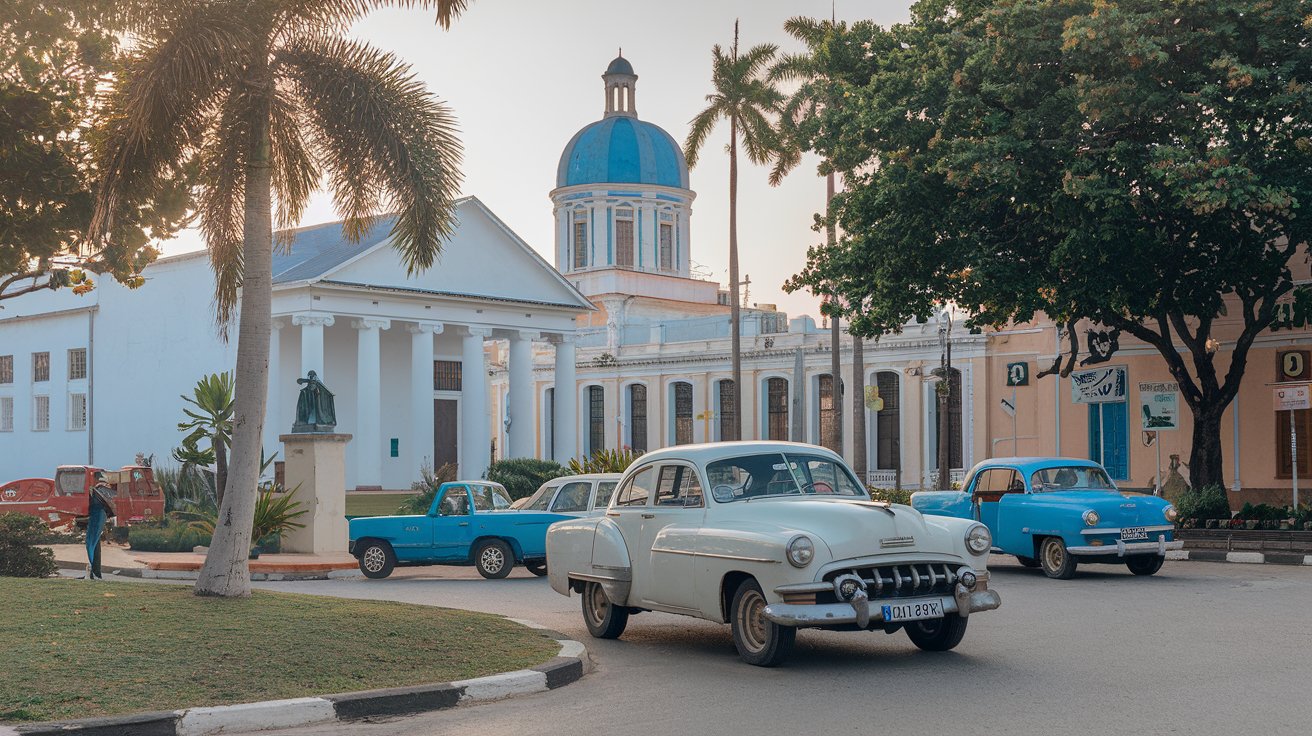
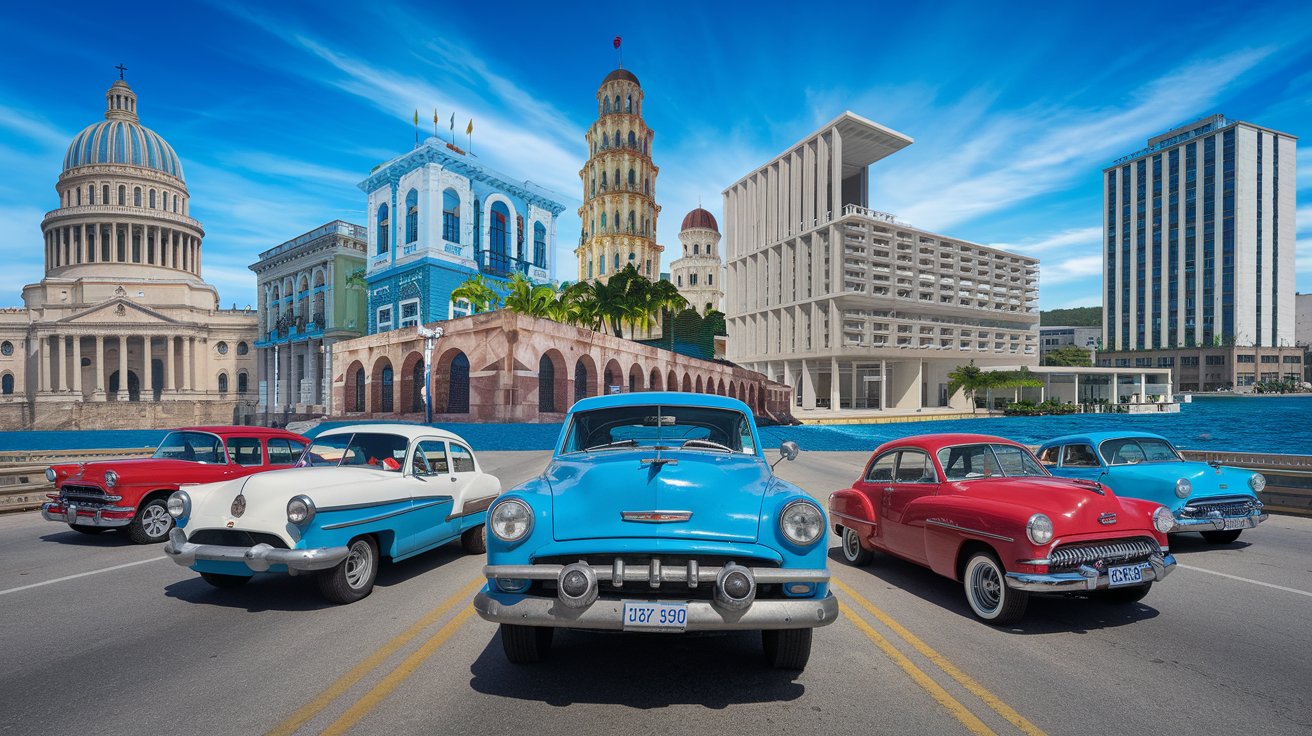
Cuba offers some of the most beautiful cities in the Caribbean, each with unique colonial architecture, vibrant culture, and rich history. From the bustling capital of Havana to the UNESCO World Heritage site of Trinidad, these Cuban destinations provide unforgettable experiences for travelers seeking authentic Caribbean culture and stunning colonial charm. Top Cuban Cities Every Tourist Should Visit The best cities in Cuba to visit offer a perfect blend of colonial architecture, cultural heritage, and Caribbean atmosphere. Each destination provides unique experiences, from world-class museums and historic plazas to pristine beaches and vibrant nightlife. These cities showcase Cuba’s rich history spanning over 500 years of colonial rule and revolutionary heritage. When planning your Cuban adventure, consider that each city in Cuba has distinct characteristics. Havana offers metropolitan energy, Trinidad preserves colonial perfection, and Santiago de Cuba pulses with Afro-Cuban rhythms. Understanding these differences helps travelers choose destinations that match their interests and travel style. Havana: Cuba’s Captivating Capital City Havana stands as Cuba’s most famous place and the ultimate starting point for any Cuban journey. This vibrant capital city of 2.1 million residents combines Old World colonial charm with modern Caribbean energy. The historic Old Havana (Habana Vieja) showcases over 900 historic buildings, earning UNESCO World Heritage status in 1982. The city’s four main districts offer diverse experiences for tourists. Old Havana features cobblestone streets, baroque churches, and colonial mansions. Modern Vedado district houses luxury hotels, restaurants, and the famous Malecón seawall. Centro Habana provides authentic local life, while Miramar offers upscale dining and shopping experiences. Essential Havana Attractions and Experiences Plaza de Armas serves as Havana’s oldest square, surrounded by the Museum of the City and El Templete shrine. The safest place for tourists, this area offers book markets, street performers, and colonial architecture. Nearby, the Capitolio building mirrors Washington D.C.’s Capitol, while the Gran Teatro de La Habana hosts world-class ballet and opera performances. Havana’s Culinary and Nightlife Scene Havana’s paladares (private restaurants) have revolutionized Cuban dining since 2010 economic reforms. Popular venues like La Guarida and Paladar Los Mercaderes serve innovative Cuban cuisine. The city’s nightlife centers around the Tropicana cabaret, jazz clubs in Vedado, and salsa venues where travelers can experience authentic Cuban music and dance culture. Trinidad: Cuba’s Best-Preserved Colonial Gem Trinidad represents the most beautiful place in Cuba for colonial architecture enthusiasts. This UNESCO World Heritage city, founded in 1514, features perfectly preserved 18th and 19th-century buildings with terracotta roofs, wrought-iron balconies, and cobblestone streets. The city’s population of 75,000 maintains traditional crafts, music, and architectural techniques. The historic center spans 7 blocks, creating an intimate atmosphere where every corner reveals colonial treasures. Casa de la Música Trinidad hosts live salsa performances, while the Palacio Brunet museum showcases colonial lifestyle. Trinidad’s small town charm contrasts beautifully with nearby Playa Ancón’s white sand beaches, just 12 kilometers away. Trinidad’s Historic Architecture and Museums Plaza Mayor anchors Trinidad’s historic district, surrounded by pastel-colored colonial mansions and the Church of the Holy Trinity. The Museo Romántico displays 19th-century furnishings, while the Museo de Arquitectura Colonial explains building techniques. These tourist attractions provide deep insights into Cuba’s colonial period and sugar plantation economy. Valley of the Sugar Mills Near Trinidad The Valle de los Ingenios, located 15 kilometers from Trinidad, contains ruins of 75 sugar mills from the 18th-19th centuries. This UNESCO site demonstrates Cuba’s sugar industry history through preserved slave quarters, mill machinery, and the Manaca Iznaga tower. Tourists can explore this valley by vintage steam train or horseback riding tours. Santiago de Cuba: The Cultural Heart of Eastern Cuba Santiago de Cuba, Cuba’s second-largest city with 432,000 residents, serves as the island’s cultural capital and birthplace of son music. This eastern city offers the strongest Afro-Cuban cultural experiences, with vibrant carnival traditions, revolutionary history, and passionate music scene. The city’s mountainous setting provides dramatic backdrops and cooler temperatures. Revolutionary history permeates Santiago, from the Moncada Barracks attack in 1953 to Fidel Castro’s victory speech in 1959. The Santa Ifigenia Cemetery houses national heroes including José Martí and Fidel Castro. Music venues throughout the city showcase traditional son, bolero, and trova performances that make Santiago a must-visit destination for culture enthusiasts. Cienfuegos: The Pearl of the South Cienfuegos, known as ‘La Perla del Sur,’ exemplifies French colonial influence in Cuba with its wide boulevards, neoclassical architecture, and organized urban planning. This beautiful place of 178,000 residents was founded by French colonists in 1819, creating a unique architectural style distinct from Spanish colonial cities. The city’s historic center features Parque Martí, surrounded by important buildings including the Cathedral, Terry Theater, and Government Palace. The Malecón waterfront provides stunning sunset views over Cienfuegos Bay, while nearby Jagua Castle offers historical exploration. Things to do in Cuba here include visiting the Botanical Garden, one of the oldest in Latin America with over 2,000 plant species. Santa Clara: Revolutionary History and University Life Santa Clara combines revolutionary significance with vibrant university atmosphere, creating a unique Cuban experience. This central city in Cuba of 245,000 residents houses the Che Guevara Mausoleum and Museum, commemorating the decisive 1958 battle that sealed Castro’s victory. The university presence brings youthful energy and cultural activities throughout the year. The city center features Parque Vidal, where locals gather for evening socializing and live music. Boulevard pedestrian street offers shopping, restaurants, and nightlife. Santa Clara’s strategic location makes it an excellent base for exploring central Cuba, with easy access to Trinidad, Cienfuegos, and Havana within 2-3 hours by car. Camagüey: Cuba’s Labyrinthine Colonial City Camagüey, Cuba’s third-largest city with 347,000 residents, features a unique irregular street layout designed to confuse pirates during colonial times. This UNESCO World Heritage site preserves the largest historic center in Cuba, with numerous plazas, churches, and colonial mansions. The city’s distinctive clay pottery tradition continues today in local workshops. The historic center contains over 600 blocks of colonial architecture, including 15 main plazas each with distinct character. Plaza San Juan de Dios represents the most beautiful colonial ensemble, while Plaza del Carmen … Leer más
Flight Time London to Cuba: Direct Routes & Travel Guide 2025

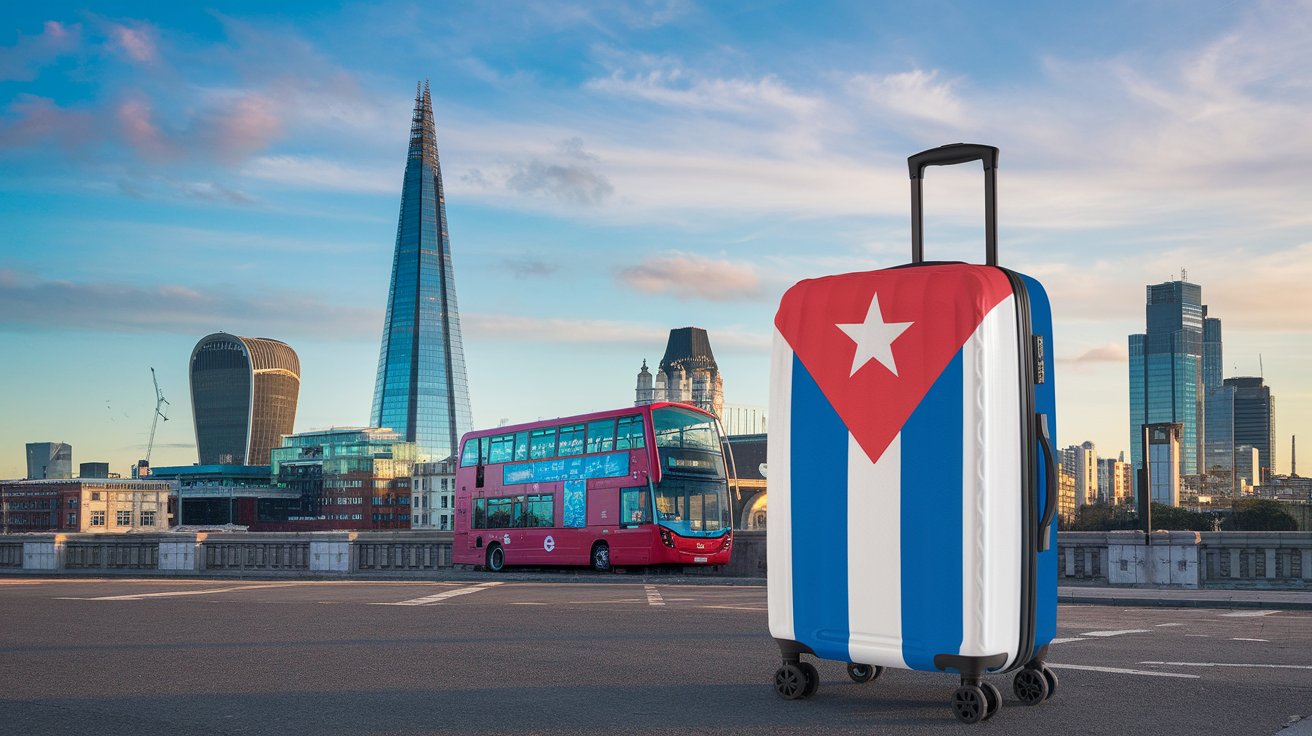
The flight time from London to Cuba typically ranges from 9 to 11 hours for direct flights, depending on your specific destination and airline choice. Most flights from London land in Havana, Cuba’s capital, with Virgin Atlantic and other carriers offering seasonal direct services. Understanding flight durations, airline options, and booking strategies can help you secure the best travel experience for your Cuban adventure. Direct Flight Times from London to Cuba Direct flights from London to Cuba operate primarily to Havana’s José Martí International Airport, with an average flight duration of 9 hours and 30 minutes to 10 hours and 45 minutes. Virgin Atlantic typically operates seasonal direct services from London Gatwick to Havana, offering the most convenient option for travelers seeking non-stop flights. The exact flight time London to Cuba varies based on wind conditions, aircraft type, and specific routing over the Atlantic Ocean. During peak winter months from December to March, additional airlines may offer direct services, reducing the overall travel time compared to connecting flights. Weather patterns and seasonal winds can affect flight duration by 30-60 minutes, with westbound flights generally taking slightly longer due to headwinds. Passengers should expect a direct flight time of approximately 10 hours when planning their itinerary and considering jet lag recovery. London Heathrow to Cuba Flight Duration Flights from London Heathrow to Cuba typically require at least one connection, as direct services primarily operate from Gatwick. Connected flights via European hubs like Madrid, Paris, or Amsterdam add 3-6 hours to total travel time, resulting in journey durations of 12-16 hours including layovers. Major airlines serving this route include British Airways, Iberia, and Air France, each offering different connection times and aircraft configurations for the Cuba leg. Seasonal Variations in Flight Times Winter months from November to April offer the most direct flight options from London to Cuba, with Virgin Atlantic historically operating their seasonal service during this period. Summer months may require connections through European or North American cities, significantly extending total travel time. Peak season flights often experience higher demand, potentially affecting schedule reliability and requiring earlier booking to secure preferred departure times. Airlines Operating London to Cuba Routes Virgin Atlantic remains the primary carrier offering direct London to Cuba flights, typically operating from London Gatwick during winter seasons. The airline uses Boeing 787 Dreamliner aircraft for this route, providing modern amenities and fuel efficiency for the transatlantic journey. Service frequency varies annually based on demand, with 2-3 weekly flights during peak operating periods. Alternative carriers like British Airways, KLM, and Air France provide connecting services through their respective European hubs. These connecting flights to Cuba from London often offer more flexible scheduling options and potentially lower fares, though with increased total travel time. American Airlines and other US carriers may offer routing through Miami or other US cities, requiring appropriate transit documentation for US connections. Virgin Atlantic Direct Service Details Virgin Atlantic’s London to Cuba service typically operates using wide-body aircraft with three-class configurations including Economy, Premium Economy, and Upper Class. The airline provides Caribbean-focused service with appropriate meal options and entertainment reflecting the destination culture. Seasonal operation means advance booking is essential, with services typically announced 6-8 months prior to the operating season. Connection Options via European Hubs European connections through Madrid (Iberia), Paris (Air France), or Amsterdam (KLM) offer reliable alternatives for London to Havana flight routing. These connections typically add 2-4 hours to total journey time but provide more frequent departure options and potentially better pricing. Connection times of 2-3 hours are recommended for international transfers, allowing adequate time for customs and immigration procedures. Booking Strategies and Price Comparisons Optimal booking timing for London to Cuba flights occurs 6-8 weeks in advance for the best balance of price and availability. Peak season flights (December-March) require earlier booking, often 3-4 months ahead, to secure reasonable pricing and preferred schedules. Mid-week departures typically offer lower fares compared to weekend travel, with Tuesday and Wednesday departures showing average savings of 15-25%. Price comparison across multiple platforms including airline websites, travel agencies, and meta-search engines helps identify the best flight deals to Cuba from London. Package deals combining flights and accommodation may provide additional value, particularly for travelers planning 7-14 day stays. Flexible date searches can reveal significant savings, especially when comparing direct versus connecting flight options. Airport Information and Terminal Details London Gatwick South Terminal serves as the primary departure point for direct Virgin Atlantic flights to Cuba, offering dedicated check-in areas and streamlined processing for long-haul passengers. The terminal provides extensive dining, shopping, and lounge facilities for passengers facing long flights. Early arrival of 3 hours before international departure is recommended, allowing time for check-in, security, and potential document verification. Havana’s José Martí International Airport receives most international flights from London, featuring modern facilities despite some infrastructure limitations. Terminal 3 handles international arrivals with dedicated immigration and customs areas designed for tourism processing. Ground transportation from the airport to central Havana includes official taxis, rental cars, and hotel shuttle services, with journey times of 30-45 minutes depending on traffic conditions. London Departure Terminals London Gatwick serves as the main hub for Cuba flights, though connecting services may depart from Heathrow via partner airlines. Terminal facilities include currency exchange, travel insurance kiosks, and duty-free shopping with Caribbean-focused merchandise. Premium passengers can access airline lounges or purchase day passes for enhanced comfort before long flights. Havana Airport Arrival Procedures Immigration processing at Havana airport requires valid passports, tourist cards, and proof of accommodation or return flights. Health declarations may be required depending on current regulations and seasonal health requirements. Baggage claim and customs procedures follow international standards, though processing times may be longer during peak tourist seasons. Travel Documentation and Requirements UK citizens require valid passports with at least 6 months remaining validity for travel to Cuba from London. Tourist cards (visa equivalents) must be obtained before travel, either through airlines, travel agents, or Cuban consulates. Travel insurance with medical coverage is mandatory, with specific requirements for minimum coverage … Leer más

What is Cuba Most Known For? Top 10 Famous Cuban Icons 2025

Cuba is most known for its world-class cigars, vintage classic cars, vibrant salsa music, pristine beaches, and revolutionary history. This Caribbean island nation has captivated the world with its unique blend of Spanish colonial architecture, rich cultural heritage, and iconic figures like Che Guevara and Fidel Castro. From Havana’s colorful streets to the tobacco fields of Viñales, Cuba offers an unforgettable experience that defines Caribbean culture. Cuban Cigars: The World’s Finest Tobacco Products Cuba is famous for cigars that are considered the gold standard worldwide. Cuban tobacco, grown in the Vuelta Abajo region of Pinar del Río, benefits from unique soil conditions and climate that create unmatched flavor profiles. Brands like Cohiba, Montecristo, and Romeo y Julieta have dominated the luxury cigar market for over a century, with some premium cigars selling for hundreds of dollars each in international markets. The Cuban cigar industry employs over 20,000 people and generates approximately $500 million annually in export revenue as of 2024. Master cigar rollers, known as torcedores, undergo years of training to perfect their craft, with the most skilled artisans capable of rolling up to 150 cigars per day. The Cuban tobacco cultivation process follows traditional methods passed down through generations, ensuring consistent quality that has made Cuban cigars synonymous with luxury worldwide. Classic American Cars: Rolling Museum of Vintage Automobiles Cuba’s streets showcase the world’s largest collection of functioning classic cars from the 1940s and 1950s. Due to the U.S. trade embargo that began in 1960, Cubans have maintained and modified over 60,000 vintage American automobiles, creating a unique automotive time capsule. Chevrolet Bel Airs, Ford Fairlanes, and Cadillac Eldorados cruise through Havana’s streets daily, many serving as colorful taxis for tourists. These vintage cars have become essential to Cuba’s tourism industry, generating over $200 million annually through classic car tours and rentals. Cuban mechanics have developed ingenious solutions to keep these vehicles running, often using Soviet-era engines and homemade parts. The sight of perfectly preserved 1950s automobiles against colonial architecture has made Cuba a photographer’s paradise and a must-visit destination for automotive enthusiasts worldwide. Cuban Music and Dance: Rhythm of the Caribbean Cuba is the birthplace of numerous music genres that have influenced global culture, including salsa, mambo, rumba, and cha-cha-cha. The island’s musical heritage combines African rhythms, Spanish melodies, and indigenous influences, creating a distinctive sound that has captivated audiences worldwide. Famous Cuban musicians like Benny Moré, Compay Segundo, and Celia Cruz have achieved international acclaim, with Cuban music generating over $100 million in annual cultural exports. Salsa dancing originated in Cuba and has become a global phenomenon, with Cuban dance schools teaching millions of students worldwide. The Buena Vista Social Club album, recorded in Havana, sold over 8 million copies globally and won a Grammy Award, introducing traditional Cuban music to new generations. Cuban music festivals attract over 500,000 visitors annually, contributing significantly to the island’s tourism revenue while preserving its rich cultural traditions. Traditional Cuban Instruments and Sounds Cuban music features distinctive instruments like the tres guitar, conga drums, and maracas that create the island’s signature sound. The Cuban tres guitar, with its three pairs of strings, produces the bright, melodic lines characteristic of son cubano music. Professional Cuban musicians often begin training in childhood, attending specialized music schools that have produced world-renowned performers and composers who continue to influence global music trends. Global Impact of Cuban Musical Styles Cuban musical styles have influenced genres worldwide, from jazz and pop to Latin rock and reggaeton. The Cuban rhythm patterns, particularly the clave beat, form the foundation of most Latin music genres played globally. Major international artists regularly collaborate with Cuban musicians, and Cuban music schools have trained performers who now lead orchestras and bands across Europe, Asia, and the Americas, spreading Cuban musical traditions worldwide. Revolutionary History and Iconic Leaders Cuba is internationally known for the Cuban Revolution of 1959, led by Fidel Castro and Che Guevara, which transformed the island into a socialist state. The revolution’s impact extended far beyond Cuba’s borders, inspiring liberation movements across Latin America and Africa. Che Guevara’s iconic image has become one of the most recognizable symbols worldwide, appearing on everything from t-shirts to murals, making him a global revolutionary icon. The Cuban Revolution established the first communist state in the Western Hemisphere, leading to a complex relationship with the United States that included the Bay of Pigs invasion and Cuban Missile Crisis. Historical sites like the Museum of the Revolution in Havana and the Che Guevara Mausoleum in Santa Clara attract over 300,000 visitors annually, showcasing Cuba’s pivotal role in 20th-century global politics and revolutionary movements. Cuban Cuisine and Culinary Traditions Cuban food combines Spanish, African, and Caribbean influences to create distinctive flavors that reflect the island’s multicultural heritage. Signature dishes like ropa vieja (shredded beef), moros y cristianos (black beans and rice), and lechón asado (roasted pork) showcase traditional cooking methods passed down through generations. Cuban cuisine emphasizes fresh ingredients, bold spices, and slow-cooking techniques that create rich, satisfying flavors. The island is particularly famous for food items like Cuban sandwiches, which have gained international popularity, and tropical fruits like mamey and guava that grow abundantly in the Caribbean climate. Cuban coffee culture is integral to daily life, with strong, sweet café cubano served throughout the day. Traditional Cuban restaurants, known as paladares, have experienced growth since economic reforms, offering authentic culinary experiences that attract food enthusiasts from around the world. Traditional Cuban Dishes and Ingredients Cuban cuisine features staple ingredients like black beans, rice, plantains, and yuca that form the foundation of most traditional meals. Cuban cooking techniques include slow-roasting meats with mojo sauce (garlic, citrus, and herbs) and preparing beans with sofrito (a flavor base of onions, peppers, and garlic). These cooking methods create the distinctive flavors that make Cuban food recognizable worldwide, with many Cuban restaurants operating successfully in Miami, New York, and other major U.S. cities. Cuban Coffee Culture and Beverages Cuban coffee culture revolves around strong, sweet espresso served in small portions … Leer más

Who Flies to Cuba from UK in 2025: Complete Guide

Planning travel to Cuba from the UK involves understanding which airlines fly to Cuba and current route availability. As of 2025, travel to Cuba from the UK requires connecting flights through European hubs or third countries, with no direct routes currently operating. This comprehensive guide covers all available options for UK travelers seeking flights to the Caribbean island. Current Airlines Flying to Cuba from UK in 2025 Several European airlines fly to Cuba with connections from UK airports. Air France operates regular services from London Heathrow and Manchester to Havana via Paris Charles de Gaulle. Air France flights to Cuba provide reliable connectivity with modern aircraft and competitive pricing for UK travelers. KLM Royal Dutch Airlines offers another popular option, connecting through Amsterdam Schiphol Airport. Virgin Atlantic partners with Air France and KLM to provide seamless booking for UK passengers. Additionally, Iberia connects through Madrid, while Lufthansa routes through Frankfurt, giving travelers multiple airlines that fly into Cuba from the UK market. Air France Cuba Routes from UK Air France flights to Cuba depart from London Heathrow, Manchester, and Edinburgh with connections in Paris. The airline operates three weekly flights to Havana using Airbus A330 aircraft. Flight duration totals approximately 12-14 hours including layover time, with competitive pricing starting from £650 return in economy class during 2025. KLM and Virgin Atlantic Partnership Options KLM provides excellent connectivity for UK to Cuba flights via Amsterdam, with Virgin Atlantic codeshare agreements simplifying booking processes. Virgin’s partnership allows travelers to earn Flying Club miles while accessing KLM’s extensive Caribbean network. Flight schedules operate daily from London and Manchester with convenient connection times. TUI Flights to Cuba: Current Status and Alternatives Many travelers ask does TUI no longer fly to Cuba following route suspensions in recent years. TUI temporarily suspended direct charter flights to Cuba from UK airports, citing operational challenges and reduced demand. However, TUI flights to Cuba may resume seasonally, particularly from Manchester and London Gatwick during winter months. For 2025, TUI focuses on package holidays to other Caribbean destinations while partnering with scheduled airlines for Cuba travel. UK travelers can still book TUI hotel packages in Cuba combined with flights on partner airlines. Alternative charter operators occasionally offer seasonal services, particularly during peak winter travel periods from December through March. Best UK Departure Airports for Cuba Flights London Heathrow offers the most comprehensive options for flights to Cuba from UK airports, with multiple daily connections through European hubs. Air France, KLM, Lufthansa, and Iberia all operate regular services from Heathrow, providing flexibility for departure times and pricing options. Manchester Airport serves as the primary northern England gateway, with flights to Cuba from Birmingham requiring connections through London or European cities. Edinburgh and Glasgow provide Scottish departure options, though typically require two connections for Cuba travel. Regional airports like Bristol and Newcastle connect through major European hubs for onward Cuba flights. London to Cuba Flight Options London to Cuba flights operate primarily from Heathrow and Gatwick airports. Heathrow provides the most frequent connections with shorter layover times, while Gatwick offers charter options during peak seasons. London to Cuba Google flights searches show average prices ranging from £600-£900 return, depending on travel dates and advance booking. Regional UK Airport Connections Travelers from Birmingham to Cuba typically connect through London Heathrow or European hubs like Amsterdam and Paris. Manchester offers direct European connections, reducing total travel time compared to southern England departures. Scottish airports provide limited options, usually requiring connections through London for the most efficient Cuba routing. Flight Duration and Connection Times UK to Cuba flight time varies significantly based on connection points and layover duration. Typical journey times range from 11-16 hours total, including connection time in European hub airports. Direct flight time from Europe to Cuba averages 9-10 hours, with UK to European hub flights adding 1-3 hours depending on departure airport. Shortest connection times occur through Paris CDG and Amsterdam Schiphol, where European airlines coordinate schedules for Caribbean destinations. Madrid and Frankfurt connections may require longer layovers but often provide more competitive pricing, particularly during off-peak travel periods. Using Google Flights and Booking Platforms Google Flights to Cuba provides comprehensive search capabilities across multiple airlines and routes from UK airports. The platform’s flexible date features help identify lowest-cost travel periods, while price tracking alerts notify travelers of fare changes. Advanced search filters allow comparison of connection times, airlines, and total journey duration. Alternative booking platforms include Skyscanner, Kayak, and airline direct websites. Many travelers find better deals booking directly with Air France or KLM for Cuba routes, particularly when combining with hotel packages or extended stays. Travel agents specializing in Caribbean destinations often secure group rates or promotional fares not available through online platforms. Travel Requirements and Documentation UK travelers must obtain Cuban tourist cards before departure, available through Cuban consulates, travel agents, or at some European connection airports. Valid passports with minimum six months remaining validity are mandatory. Travel to Cuba from the UK requires comprehensive travel insurance covering medical emergencies and potential evacuation costs. Current entry requirements include health declarations and proof of accommodation bookings. Some airlines verify return flight tickets before departure from UK airports. Currency restrictions apply, with Euro and Canadian Dollar preferred over US Dollar for in-country transactions. Travelers should verify latest requirements through Cuban embassy websites before departure. Seasonal Pricing and Best Booking Times Peak season for UK to Cuba travel occurs December through March, coinciding with Caribbean dry season and UK winter holidays. Flight prices increase significantly during Christmas and New Year periods, often exceeding £1,200 return from London airports. Shoulder seasons in April-May and September-November offer substantial savings with prices dropping 30-40% compared to peak periods. Advance booking recommendations suggest purchasing flights 6-8 weeks before departure for optimal pricing. Last-minute deals occasionally appear during off-peak periods, particularly for European connection flights. Tuesday and Wednesday departures typically cost less than weekend flights, while mid-week returns provide additional savings opportunities. Peak Season Considerations Winter months see highest demand for Caribbean flights from UK, … Leer más

Most Famous Landmark in Cuba: El Malecón & Top Attractions

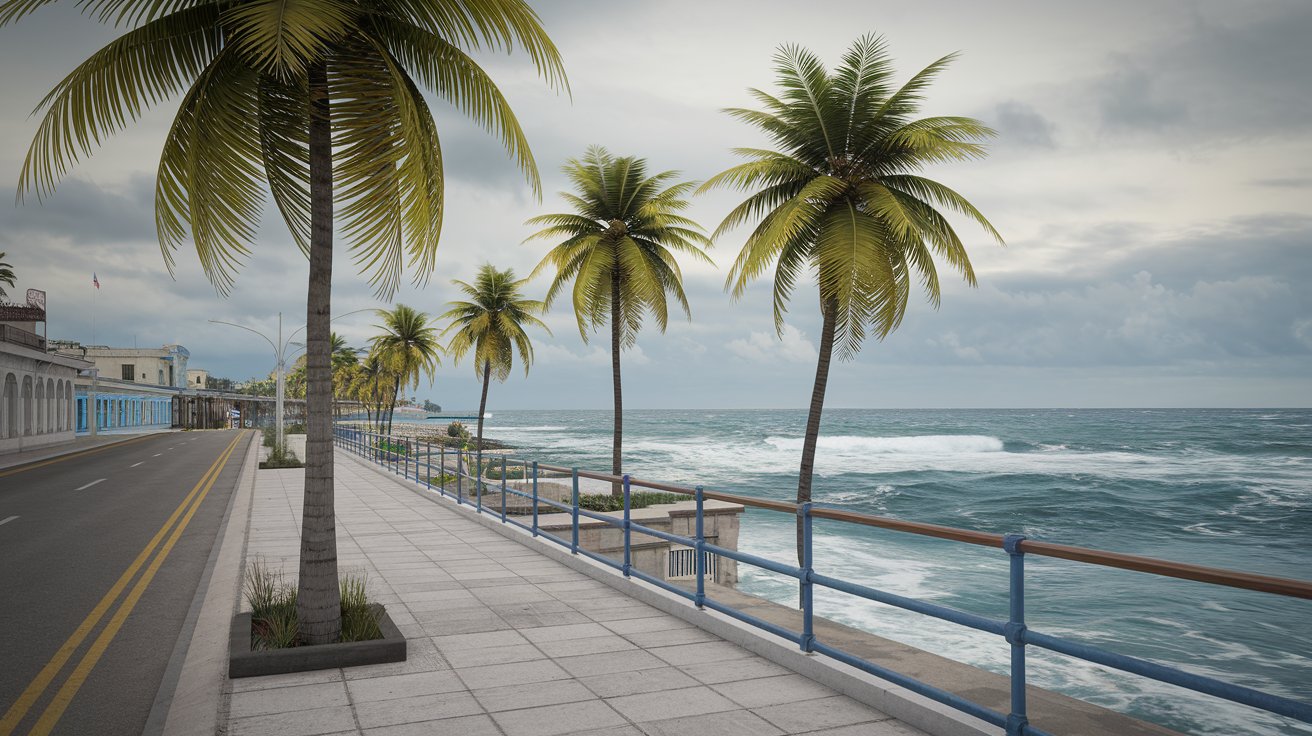
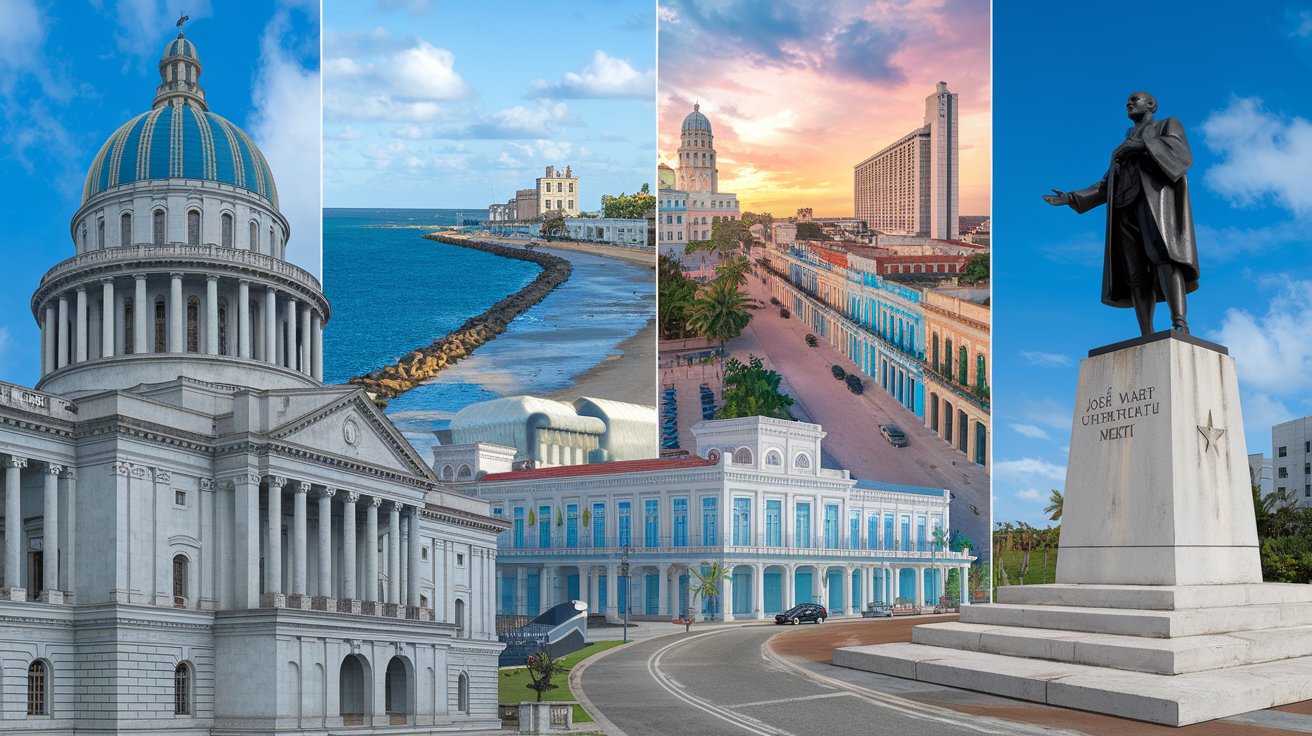
Cuba’s most famous landmark is El Malecón, the iconic 8-kilometer seawall stretching along Havana’s coastline. This beloved promenade serves as the heart of Cuban social life, where locals and tourists gather to enjoy spectacular sunsets, music, and vibrant culture. Beyond the Malecón, Cuba boasts numerous world-renowned attractions that showcase its rich history and architectural heritage. El Malecón: Cuba’s Most Iconic Landmark The Malecón seawall stands as Cuba’s most recognizable and beloved landmark, earning its reputation as Havana’s living room. Built between 1901 and 1952, this magnificent waterfront promenade extends 8 kilometers from the Castillo de San Salvador de la Punta to the Almendares River. The seawall serves multiple purposes as a coastal defense, recreational space, and cultural gathering point where generations of Cubans have shared stories, music, and dreams. This famous Cuban attraction offers unparalleled views of the Florida Straits and serves as a natural amphitheater for impromptu concerts, romantic encounters, and philosophical debates. The Malecón’s weathered concrete wall bears witness to decades of storms, celebrations, and daily life, making it an authentic symbol of Cuban resilience and community spirit. Historic Havana Landmarks That Define Cuba Beyond the Malecón, Havana hosts several world-famous landmarks that attract millions of visitors annually. These architectural marvels and historic sites collectively form the cultural backbone of Cuba’s capital city. El Capitolio: Cuba’s Architectural Crown Jewel The Capitolio Nacional represents one of Cuba’s most impressive architectural achievements, completed in 1929 and inspired by the U.S. Capitol Building. This magnificent structure features a 92-meter dome topped with a bronze replica of Mercury, making it one of the tallest buildings in Havana. The building currently houses the Cuban Academy of Sciences and serves as a testament to Cuba’s pre-revolutionary grandeur and architectural ambition. Old Havana: UNESCO World Heritage Treasure Habana Vieja stands as Cuba’s most comprehensive colonial landmark, designated as a UNESCO World Heritage Site in 1982. This 4.37-square-kilometer historic district contains over 900 buildings of historical importance, including baroque and neoclassical monuments dating from the 16th to 19th centuries. The area features iconic plazas like Plaza de Armas, Plaza de la Catedral, and Plaza Vieja, each offering unique insights into Cuba’s colonial past and architectural evolution. Military Fortresses: Guardians of Cuban History Cuba’s strategic location in the Caribbean made it essential to construct powerful defensive fortifications that now stand as major tourist attractions and historical landmarks. Castillo de los Tres Reyes del Morro El Morro fortress, constructed between 1589 and 1630, represents one of Cuba’s most recognizable landmarks. This imposing stone fortress guards the entrance to Havana Bay and features a distinctive lighthouse that has guided ships for centuries. The fortress houses the Maritime Museum and offers spectacular views of Havana’s skyline, making it a must-visit destination for understanding Cuba’s colonial defense strategies. Fortaleza de San Carlos de la Cabaña La Cabaña fortress, completed in 1774, stands as the largest colonial fortress in the Americas and a premier Cuban attraction. This massive military complex spans 700 meters and houses multiple museums, including the Che Guevara Museum. Every evening at 9 PM, the traditional cannon ceremony recreates the colonial practice of announcing the closing of the city gates, providing visitors with an authentic historical experience. Revolutionary Cuba: Landmarks of Historical Significance Cuba’s revolutionary heritage created numerous historically significant landmarks that commemorate the island’s transformation and key figures in its modern history. Museum of the Revolution The Museo de la Revolución occupies the former Presidential Palace and chronicles Cuba’s revolutionary struggle from 1868 to 1959. This landmark museum houses over 9,000 artifacts, including personal belongings of revolutionary leaders, weapons, documents, and multimedia presentations. The building itself represents Cuban republican architecture and serves as a powerful symbol of political transformation in Latin America. Plaza de la Revolución Plaza de la Revolución functions as Cuba’s most important political landmark and one of the world’s largest public squares, covering 72,000 square meters. The plaza features the iconic José Martí Memorial, a 109-meter tower topped with a statue of Cuba’s national hero. The surrounding government buildings display giant portraits of Che Guevara and Camilo Cienfuegos, creating a powerful visual representation of Cuban revolutionary ideals. Natural Landmarks Beyond Havana Cuba’s natural landmarks showcase the island’s diverse geography and ecological significance, extending far beyond the capital city’s urban attractions. Viñales Valley: UNESCO Protected Landscape The Viñales Valley in western Cuba features dramatic limestone formations called mogotes, creating one of the country’s most distinctive natural landmarks. This UNESCO World Heritage Site spans 132 square kilometers and showcases traditional tobacco farming methods that have remained unchanged for centuries. The valley’s unique karst landscape and agricultural heritage make it Cuba’s premier natural attraction outside Havana. Trinidad: Colonial Jewel of Central Cuba Trinidad represents Cuba’s best-preserved colonial city landmark, founded in 1514 and frozen in time since the 19th century. This UNESCO World Heritage Site features cobblestone streets, pastel-colored colonial mansions, and the magnificent Plaza Mayor. The nearby Valle de los Ingenios showcases Cuba’s sugar plantation history, making Trinidad a comprehensive cultural and historical destination. Eastern Cuba’s Historic Treasures Eastern Cuban landmarks offer insights into the island’s independence struggles and African cultural heritage, providing a different perspective from Havana’s attractions. Santiago de Cuba’s Revolutionary Sites Santiago de Cuba, known as the cradle of the revolution, houses several crucial landmarks including the Moncada Barracks where Castro’s revolutionary movement began in 1953. The city also features the Santa Ifigenia Cemetery, final resting place of José Martí and Fidel Castro. The fortress of San Pedro de la Roca del Morro, another UNESCO site, guards Santiago Bay and represents Spanish colonial military engineering. Sierra Maestra Mountain Range The Sierra Maestra mountains serve as Cuba’s most significant natural and historical landmark, reaching 1,974 meters at Pico Turquino, the country’s highest point. This mountain range sheltered Castro’s revolutionary forces and contains numerous historic sites including La Comandancia, Castro’s former headquarters. The area combines natural beauty with revolutionary history, making it a unique Cuban destination for adventure seekers and history enthusiasts. Related video about what is the most famous landmark in cuba This video … Leer más

Top Tourist Attractions in Cuba Havana 2025 Travel Guide

Havana, Cuba’s captivating capital, offers an extraordinary blend of colonial architecture, vibrant culture, and revolutionary history. From the UNESCO World Heritage site of Old Havana to the iconic Malecón seawall, these tourist attractions in Cuba Havana provide visitors with an unforgettable Caribbean experience combining Spanish colonial charm with modern Cuban life. Old Havana (Habana Vieja): UNESCO World Heritage Marvel Old Havana stands as Cuba’s crown jewel and one of the most preserved colonial cities in the Americas. This UNESCO World Heritage site encompasses over 140 hectares of cobblestone streets, baroque churches, and colonial mansions dating back to the 16th century. Walking through its narrow streets reveals layers of history, from Spanish colonial architecture to art deco buildings that showcase Havana’s famous cultural heritage. The restoration efforts led by the Office of the City Historian have transformed Old Havana into a living museum where locals still reside and work. Visitors can explore centuries-old plazas, browse local artisan shops, and witness the daily life of Habaneros. The area contains four main plazas, each with its unique character and historical significance, making it essential for any tourist visiting Cuba. Plaza de Armas: Havana’s First Square Plaza de Armas, established in 1519, represents Havana’s oldest square and the heart of Old Havana. Surrounded by important buildings like the Museum of the City and the Palace of the Captains General, this plaza hosts a daily book market where visitors can find rare Cuban literature and vintage postcards. The central park features royal palm trees and serves as a peaceful gathering place for both tourists and locals. Plaza Vieja: Architectural Time Capsule Plaza Vieja showcases the evolution of Cuban architecture across four centuries. Originally built in 1559 as Plaza Nueva, this square features buildings representing baroque, art nouveau, and art deco styles. The Camera Obscura on the square’s northeast corner offers panoramic views of Havana, while the surrounding galleries and cafes provide insight into contemporary Cuban art and culture. The Malecón: Havana’s Iconic Seawall The Malecón seawall stretches for 8 kilometers along Havana’s coastline, serving as the city’s most beloved gathering place. Built between 1901 and 1952, this oceanfront promenade offers spectacular views of the Florida Straits and serves as Havana’s outdoor living room. During sunset, hundreds of locals and tourists gather to socialize, fish, and enjoy the sea breeze, making it one of the most famous tourist attractions in Cuba. The Malecón connects several important neighborhoods, from Old Havana to Vedado, providing a scenic route for both walking and driving. Along its length, visitors encounter street performers, vendors selling fresh coconut water, and couples enjoying romantic moments. The seawall also serves as a cultural barometer of Havana, where you can observe daily Cuban life and the resilient spirit of its people. Plaza de la Revolución: Symbol of Modern Cuba Plaza de la Revolución represents one of the world’s largest public squares and the political heart of modern Cuba. Dominated by the José Martí Memorial, a 139-meter tower dedicated to Cuba’s national hero, this square has hosted millions during historic rallies and political events. The plaza covers 72,000 square meters and can accommodate over one million people, making it a significant site for understanding Cuba’s revolutionary history. The iconic images of Che Guevara and Camilo Cienfuegos on the Ministry buildings have become symbols recognized worldwide. Visitors can ascend the José Martí Memorial for panoramic views of Havana and explore the museum dedicated to Cuba’s independence hero. The square’s importance extends beyond politics, serving as a venue for papal visits and major cultural events that define modern Cuban identity. El Capitolio: Architectural Grandeur Restored El Capitolio, Havana’s National Capitol Building, underwent extensive restoration and reopened in 2019 as the seat of Cuba’s National Assembly. Inspired by the U.S. Capitol but surpassing it in grandeur, this neoclassical masterpiece features a dome that rises 91.73 meters above sea level. The building’s interior showcases luxurious materials including Italian marble, bronze, and precious woods, representing one of Cuba’s most impressive architectural achievements. The Capitol houses the world’s third-largest indoor statue, La República, a 17-meter bronze figure representing the Cuban nation. Guided tours reveal the building’s fascinating history, from its construction in the 1920s to its role in pre-revolutionary Cuba. The restoration project cost over $46 million and returned the building to its original splendor, making it a must-see attraction for tourists in Havana. Revolutionary History Museums Havana’s revolutionary museums provide deep insights into Cuba’s transformation from Spanish colony to socialist republic. These institutions house extensive collections of artifacts, documents, and exhibitions that chronicle the island’s struggle for independence and social change. Understanding this history is essential for appreciating modern Cuban culture and the context behind many of Havana’s famous landmarks. Museo de la Revolución: Revolutionary Chronicle The Museum of the Revolution, housed in the former Presidential Palace, chronicles Cuba’s path from Spanish colonialism through the 1959 Revolution. The museum’s collection includes personal belongings of revolutionary leaders, weapons, photographs, and interactive exhibits that bring Cuban history to life. The adjacent Granma Memorial displays the yacht that brought Fidel Castro and his revolutionaries from Mexico to Cuba in 1956. Museo Nacional de Bellas Artes: Cultural Heritage Split between two buildings, the National Museum of Fine Arts houses the most comprehensive collection of Cuban art from colonial times to the present. The Cuban Art building features works by renowned artists like Wifredo Lam and Amelia Peláez, while the Universal Art building displays international collections including European masters and ancient artifacts, making it essential for understanding Cuba’s artistic evolution. Unique Neighborhoods and Local Experiences Beyond the main tourist sites, Havana’s diverse neighborhoods offer authentic experiences that reveal the city’s true character. From the artistic enclave of Fusterlandia to the upscale streets of Vedado, each area provides unique insights into Cuban life. These neighborhoods showcase unique things to do in Havana that go beyond traditional sightseeing. Fusterlandia: Mosaic Art Wonderland Fusterlandia, created by artist José Fuster, transforms the Jaimanitas neighborhood into a colorful mosaic wonderland. This community art project covers homes, bus stops, and public … Leer más

15 Best Things to Do in Holguin Cuba 2025 Travel Guide

Holguin, Cuba’s third-largest city, offers an authentic Cuban experience with rich history, stunning natural beauty, and vibrant culture. Located in eastern Cuba, this destination features colonial architecture, pristine beaches, and unique attractions that make it a perfect alternative to crowded Havana. Whether you’re seeking cultural experiences in Holguin or outdoor adventures, this comprehensive guide reveals the top activities and excursions available for visitors in 2025. Top Cultural Attractions in Holguin Holguin’s cultural landscape showcases Cuba’s revolutionary history and Spanish colonial heritage. The city center features well-preserved architecture dating back to the 16th century, with Parque Calixto García serving as the main square. Visiting Holguin’s cultural sites provides insight into Cuba’s complex past and vibrant artistic traditions. The Casa de la Trova offers authentic Cuban music performances, while local museums display artifacts from pre-Columbian civilizations. The city’s cultural offerings extend beyond traditional museums and monuments. Local art galleries showcase contemporary Cuban artists, and street performances occur regularly in the historic district. Best cultural activities in Holguin include evening salsa lessons, traditional cooking classes, and guided tours of colonial neighborhoods where local families share their stories and traditions. Climb La Loma de la Cruz (Hill of the Cross) La Loma de la Cruz stands as Holguin’s most iconic landmark, featuring a massive cross visible from throughout the city. The Hill of the Cross Holguin requires climbing 458 steps to reach the summit, but the panoramic views reward every effort. From the top, visitors enjoy 360-degree views of the city, surrounding mountains, and distant coastline. The cross itself dates to 1950 and serves as a pilgrimage site for locals and tourists alike. Explore Parque Calixto García Parque Calixto García represents the heart of Holguin’s social and cultural life. This central square features beautiful gardens, historic buildings, and frequent cultural events. Holguin city center attractions surround the park, including the Cathedral of San Isidoro and Casa de la Cultura. Evening hours bring live music performances, local vendors, and opportunities to interact with friendly Cuban families enjoying their daily social gatherings. Best Excursions and Day Trips from Holguin Organized excursions from Holguin provide access to diverse experiences throughout eastern Cuba. Sunwing Holguin excursions and Air Transat Holguin excursions offer professionally guided tours to nearby attractions, including Guardavalaca Beach, Gibara colonial town, and the Alejandro de Humboldt National Park. These tours typically include transportation, meals, and bilingual guides who enhance the experience with local knowledge and historical context. Independent travelers can also arrange private excursions through local tour operators. Best excursions in Holguin Cuba range from half-day cultural tours to multi-day adventures exploring remote beaches and mountain regions. Popular destinations include Cayo Saetia wildlife preserve, Banes archaeological sites, and traditional sugar plantations where visitors learn about Cuba’s agricultural heritage and economic history. Visit Traditional Cuban Farms Agricultural tours offer authentic insights into Cuban rural life and sustainable farming practices. Cuban farm tours Holguin typically include visits to tobacco plantations, coffee farms, and livestock operations. Visitors participate in daily activities like harvesting crops, feeding animals, and preparing traditional meals using fresh ingredients. These experiences provide meaningful cultural exchange opportunities while supporting local farming communities. Tour Authentic Cigar Factories Holguin province produces some of Cuba’s finest tobacco, making cigar factory tours essential experiences. Holguin cigar factory tours demonstrate the complete process from tobacco leaf selection to finished cigar production. Master craftsmen explain traditional techniques passed down through generations, and visitors often purchase premium cigars directly from manufacturers at significantly lower prices than international markets. Things to Do in Holguin for Couples Romantic experiences in Holguin combine natural beauty with intimate cultural activities. Things to do in Holguin for couples include sunset walks along Playa Guardalavaca, private salsa lessons in colonial courtyards, and romantic dinners at paladares featuring live traditional music. The city’s slower pace compared to Havana creates perfect conditions for couples seeking authentic Cuban experiences without overwhelming crowds. Evening activities for couples include horse-drawn carriage rides through historic neighborhoods, moonlight beach walks, and intimate concerts at Casa de la Trova. Romantic activities Holguin Cuba also encompass couples’ spa treatments using local natural ingredients, private cooking classes learning traditional Cuban recipes, and guided photography tours capturing memorable moments against stunning colonial backdrops. Free Things to Do in Holguin Budget-conscious travelers can enjoy numerous activities without spending money. Free things to do in Holguin include exploring the historic city center, visiting public beaches, hiking to La Loma de la Cruz, and attending free cultural performances in local parks. Street art tours showcase vibrant murals throughout the city, while public markets offer glimpses into daily Cuban life and opportunities to practice Spanish with friendly locals. Natural attractions provide additional free entertainment options. Free outdoor activities Holguin include hiking trails in nearby hills, birdwatching in urban parks, and swimming at public beaches along the coast. Local festivals and cultural celebrations occur regularly, offering free entertainment featuring traditional music, dance performances, and artisan displays showcasing regional crafts and artwork. When to Visit Holguin: Best Months and Weather Timing significantly impacts your Holguin experience, with distinct dry and wet seasons affecting activities and comfort levels. Best month to visit Holguin typically falls between November and April when temperatures remain comfortable (70-85°F) and rainfall stays minimal. December through March offers peak conditions with cool evenings, warm days, and minimal humidity, making outdoor activities most enjoyable. Hurricane season runs from June through November, with September and October presenting highest risks. Holguin weather 2025 predictions suggest normal seasonal patterns, with dry season offering optimal conditions for beach activities, hiking, and cultural tours. Summer months (May-August) bring higher temperatures and humidity but fewer crowds and potentially lower accommodation prices for budget-conscious travelers. Getting to and Around Holguin Frank País Airport serves as the primary gateway to Holguin, located approximately 15 kilometers from the city center. Holguin airport to city transportation options include official taxis, private transfers, and rental cars. Many resort hotels provide shuttle services, while independent travelers can arrange airport transfers through tour operators or Cuban travel agencies for reliable transportation at fixed prices. Local … Leer más

50+ Activities to Do in Cuba: Complete Travel Guide 2025

Cuba offers an incredible array of activities to do in Cuba that blend rich history, vibrant culture, and stunning natural beauty. From exploring colonial Havana’s cobblestone streets in classic 1950s cars to dancing salsa in Trinidad’s plazas, the island provides unforgettable experiences for every type of traveler. Whether you’re seeking adventure, cultural immersion, or relaxation on pristine beaches, this comprehensive guide reveals the top attractions and hidden gems that make Cuba a truly unique Caribbean destination. Top Cultural Activities in Havana Havana serves as Cuba’s cultural epicenter, offering countless activities to do in Cuba for adults who appreciate history and arts. The capital city seamlessly blends colonial architecture with revolutionary landmarks, creating an atmosphere unlike anywhere else in the Caribbean. Visitors can immerse themselves in authentic Cuban culture through music, dance, art galleries, and historic sites that tell the story of this fascinating nation. The city’s cultural scene thrives in its various neighborhoods, from the UNESCO World Heritage site of Old Havana to the modern Vedado district. Cuban people are known for their warmth and artistic expression, making every cultural encounter meaningful and memorable for international visitors. Explore Old Havana’s Colonial Streets Old Havana (Habana Vieja) represents one of the most beautiful places in Cuba, featuring over 900 historic buildings dating from the 16th to 19th centuries. Walking through Plaza de Armas, Plaza de la Catedral, and Plaza Vieja offers glimpses into Cuba’s colonial past while enjoying live street performances. The cobblestone streets house museums, art galleries, and traditional restaurants where visitors can experience authentic Cuban cuisine and culture. Ride Classic 1950s Vintage Cars No visit to Cuba is complete without experiencing the iconic vintage car tours that have become synonymous with Havana’s charm. These perfectly preserved American classics from the 1950s offer a unique way to explore the city while learning about Cuba’s automotive history. Professional drivers share stories about how these cars survived decades of embargo while providing scenic tours along the famous Malecón seawall and through historic neighborhoods. Experience Live Music at El Floridita El Floridita, known as the birthplace of the daiquiri and Ernest Hemingway’s favorite bar, offers authentic Cuban beats and world-class cocktails. The legendary establishment features live music performances showcasing traditional son, rumba, and jazz styles that define Cuban musical heritage. Visitors can enjoy expertly crafted daiquiris while listening to talented local musicians who keep Cuba’s musical traditions alive. Adventurous Activities Across Cuba Beyond Havana’s cultural attractions, Cuba offers numerous adventurous things to do in Cuba for thrill-seekers and nature enthusiasts. The island’s diverse landscape includes mountain ranges, pristine beaches, underground caves, and lush valleys perfect for hiking, diving, and exploration. These outdoor adventures provide opportunities to discover Cuba’s natural beauty while engaging with local communities in rural areas. Adventure tourism in Cuba has grown significantly, with professional guides offering safe and exciting experiences in protected national parks and marine reserves. From the Sierra Maestra mountains to the coral reefs of Jardines de la Reina, adventurous activities cater to various skill levels and interests. Hiking in Viñales Valley Viñales Valley, a UNESCO World Heritage site, offers spectacular hiking opportunities through tobacco plantations and limestone mogotes (hills). The valley’s unique landscape features traditional farming methods unchanged for centuries, where visitors can explore caves, visit tobacco farms, and learn about organic agriculture. Hiking trails range from easy walks to challenging climbs, all offering breathtaking views of this pristine agricultural region. Snorkeling and Diving Adventures Cuba’s surrounding waters contain some of the Caribbean’s most pristine coral reefs, making underwater exploration one of the top activities to do in Cuba. Popular diving destinations include the Bay of Pigs, Jardines de la Reina, and Cayo Largo, where crystal-clear waters reveal vibrant marine life including tropical fish, sea turtles, and rays. Professional dive operators provide equipment and guided tours suitable for both beginners and experienced divers. Beach and Coastal Activities Cuba’s extensive coastline features over 300 beaches with pristine white sand and turquoise waters, offering perfect settings for relaxation and water sports. Top 10 places to visit in Cuba consistently include beach destinations like Varadero, Cayo Coco, and Playa Paraíso, each offering unique characteristics and activities. These coastal areas provide everything from luxury resorts to secluded coves where visitors can enjoy swimming, sailing, and beachfront dining. The island’s beach culture reflects the laid-back Cuban lifestyle, where people visit Cuba to escape stress and reconnect with nature. Beach activities range from active water sports to peaceful sunset walks, accommodating different preferences and energy levels. Varadero Beach Resort Experience Varadero Beach stretches for 20 kilometers along the Hicacos Peninsula, offering one of the most beautiful places in Cuba for beach enthusiasts. The resort area features all-inclusive hotels, water sports facilities, golf courses, and beachfront restaurants serving fresh seafood. Visitors can enjoy jet skiing, parasailing, catamaran trips, and dolphin encounters while experiencing Cuba’s premier beach destination. Cayo Coco Island Paradise Cayo Coco, part of the Jardines del Rey archipelago, provides a more secluded beach experience with untouched natural beauty. The island features pristine beaches, flamingo colonies, and coral reefs perfect for snorkeling. Unique activities include flamingo watching, kayaking through mangroves, and exploring hidden beaches accessible only by boat or on foot. Historical and Educational Experiences Cuba’s rich history offers numerous educational activities to do in Cuba that provide insight into the island’s revolutionary past and cultural development. Museums, historical sites, and guided tours help visitors understand Cuba’s journey from colonial rule through revolution to modern times. These experiences are particularly valuable for understanding the context behind Cuba’s unique position in Caribbean and world history. Educational tourism in Cuba includes visits to revolutionary sites, colonial fortresses, and cultural institutions that preserve the island’s heritage. Professional guides provide historical context that enriches the travel experience while promoting cultural understanding between visitors and locals. Revolution Museum and Plaza de la Revolución The Museum of the Revolution, housed in the former Presidential Palace, chronicles Cuba’s fight for independence and the 1959 revolution. Plaza de la Revolución, featuring iconic images of Che Guevara and Camilo Cienfuegos, serves … Leer más

What Are Cubans Known For? Culture, Food & Traditions Guide

Cubans are renowned worldwide for their vibrant culture, exceptional music and dance traditions, world-class cigars, flavorful cuisine, and warm hospitality. From the rhythmic beats of salsa and rumba to the aromatic Cuban coffee and hand-rolled cigars, Cuban people have created a distinctive cultural identity that combines Spanish, African, and Caribbean influences into something uniquely their own. Cuban Music and Dance Culture Cuban music represents one of the most significant cultural exports from the island, with Cuban musicians creating genres that have influenced global music for over a century. The development of salsa, rumba, mambo, and cha-cha-cha originated in Cuba, making it the birthplace of Latin dance music. These musical styles reflect the complex cultural fusion of Spanish colonial heritage, African rhythms brought by enslaved people, and indigenous Caribbean elements. The Cuban dance traditions are equally renowned, with salsa dancing becoming a global phenomenon that attracts millions of enthusiasts worldwide. Cuban salsa, also known as Casino, features intricate partner work and group formations called rueda de casino. Professional Cuban dancers and musicians continue to perform internationally, maintaining Cuba’s reputation as a cultural powerhouse in the performing arts sector. Legendary Cuban Musicians and Performers Cuba has produced internationally acclaimed artists like Benny Moré, Celia Cruz, and the Buena Vista Social Club members, who brought Cuban music culture to global audiences. These performers showcased traditional Cuban genres while influencing contemporary Latin music. Modern Cuban artists continue this legacy, with many achieving recognition in international music festivals and Grammy nominations despite economic and political challenges. Impact on Global Dance and Music Education Cuban dance instructors and choreographers are highly sought after worldwide, teaching authentic Cuban dance techniques in dance studios across the United States and Europe. The Cuban method of teaching salsa emphasizes musicality, partner connection, and cultural context, making it distinct from other Latin dance styles. This cultural export generates significant soft power influence for Cuba in the international arts community. World-Famous Cuban Cigars and Tobacco Culture Cuban cigars are universally recognized as the finest tobacco products in the world, with Cuban cigar brands like Cohiba, Montecristo, and Romeo y Julieta commanding premium prices in international markets. The unique climate and soil conditions in Cuba’s Vuelta Abajo region create ideal growing conditions for tobacco, producing leaves with distinctive flavor profiles that cannot be replicated elsewhere. Master cigar rollers, known as torcedores, undergo years of training to perfect their craft. The Cuban tobacco industry employs traditional cultivation and curing methods passed down through generations, maintaining quality standards that have made Cuban cigars the gold standard for premium tobacco products. Despite trade restrictions with the United States, Cuban cigars remain highly coveted luxury items, with authentic Cuban cigars selling for significantly higher prices than cigars from other countries in international markets. Distinctive Cuban Cuisine and Food Traditions Cuban food culture combines Spanish, African, and Caribbean culinary traditions to create a unique gastronomic identity. Staple dishes include ropa vieja (shredded beef), picadillo, black beans and rice (moros y cristianos), and lechón (roasted pork). Cuban cuisine emphasizes the use of garlic, cumin, oregano, and citrus marinades called mojo, which give Cuban dishes their characteristic flavors that differ significantly from other Latin American cuisines. Cuban coffee culture is particularly noteworthy, with Cuban coffee (cafecito) being an integral part of daily social interactions. The strong, sweet espresso served in small cups is consumed throughout the day and serves as a social ritual that brings communities together. Cuban sandwich (Cubano) has gained popularity in the United States, particularly in Florida, where it represents an authentic taste of Cuban culinary heritage. Traditional Cuban Cooking Methods Cuban cooking techniques emphasize slow cooking methods and marination processes that develop complex flavors. Traditional Cuban recipes often require ingredients to marinate overnight in citrus-based mojo sauces, while cooking methods like pressure cooking beans and slow-roasting meats create the tender textures characteristic of Cuban cuisine. These techniques have been preserved and adapted by Cuban communities in the United States. Cuban Food in American Culture Cuban restaurants and food trucks have become increasingly popular across the United States, introducing Cuban flavors to diverse communities. Cities like Miami, Tampa, and New York feature authentic Cuban establishments that serve traditional dishes alongside modern interpretations. This culinary influence has contributed to the broader acceptance and appreciation of Latin American cuisine in American food culture. Cuban Art and Literary Contributions Cuban artists and writers have made significant contributions to global culture, with Cuban art reflecting the island’s complex history and cultural diversity. The Cuban art movement encompasses various styles from colonial religious art to contemporary political expressions. Notable Cuban artists like Wifredo Lam gained international recognition for incorporating Afro-Cuban spiritual elements into modernist painting techniques, influencing art movements worldwide. Cuban literature has produced internationally acclaimed authors such as José Martí, Alejo Carpentier, and more recently, writers in exile who continue to explore Cuban themes from abroad. Cuban poetry and prose often address themes of identity, exile, revolution, and cultural preservation, contributing to Latin American literary movements and influencing contemporary Hispanic literature in the United States. Cuban Sports Excellence and Athletic Culture Cuba has achieved remarkable success in international sports competition, particularly in Cuban baseball, boxing, and track and field. Cuban athletes have won numerous Olympic medals and world championships, often competing at levels that exceed expectations given the island’s population and economic constraints. Baseball holds special significance in Cuban culture, with the sport being deeply integrated into community life and national identity. Cuban boxing has produced legendary fighters and Olympic champions who have influenced boxing techniques and training methods worldwide. The Cuban amateur boxing system emphasizes technical precision and defensive skills, creating a distinctive Cuban boxing style that has been studied and adopted by trainers internationally. Many Cuban athletes who have defected or emigrated continue to represent their athletic excellence in professional sports leagues worldwide. Cuban Architecture and Urban Planning Cuban architecture showcases a unique blend of colonial Spanish, Art Deco, and modernist influences that create the distinctive Cuban architectural style visible in cities like Havana. The preservation of colonial-era … Leer más

What is the National Flower of Cuba? White Mariposa Guide

The national flower of Cuba is the White Mariposa, scientifically known as Hedychium coronarium. This elegant white flower holds deep cultural and historical significance for the Cuban people, representing purity, independence, and national pride. The White Mariposa was officially designated as Cuba’s national flower due to its important role during the country’s struggle for independence and its symbolic representation of Cuban values and heritage. What is the White Mariposa Flower? The White Mariposa flower (Hedychium coronarium) is a fragrant, white-petaled bloom that belongs to the ginger family Zingiberaceae. This tropical flower is characterized by its distinctive butterfly-like appearance, which is reflected in its common name ‘mariposa,’ meaning butterfly in Spanish. The flower typically measures 2-3 inches across and features delicate white petals with prominent yellow stamens that create a striking visual contrast. Native to the Himalayan region, the White Mariposa was introduced to Cuba in the 19th century and quickly adapted to the island’s tropical climate. The plant thrives in Cuba’s warm, humid conditions and can be found growing naturally throughout the island. Each flower cluster can contain multiple blooms that emit a sweet, jasmine-like fragrance, making it a beloved ornamental plant in Cuban gardens and landscapes. Historical Significance of Cuba’s National Flower The historical significance of the White Mariposa dates back to Cuba’s wars of independence in the late 19th century. During the Ten Years’ War (1868-1878) and the Cuban War of Independence (1895-1898), Cuban women used the White Mariposa as a secret symbol of resistance against Spanish colonial rule. They would wear the flowers in their hair or on their clothing to show support for the independence movement without openly defying Spanish authorities. Cuban revolutionary women, known as ‘mambisas,’ particularly embraced the White Mariposa as their emblem. The flower’s pure white color symbolized the noble cause of independence, while its delicate yet resilient nature reflected the strength and determination of Cuban women fighting for freedom. This historical connection between the White Mariposa and Cuban independence cemented its place as a powerful national symbol that continues to resonate with Cubans today. Revolutionary Symbolism During Independence Wars During Cuba’s struggle for independence, the White Mariposa became a covert communication tool among revolutionaries. Women would arrange the flowers in specific patterns in their hair to convey messages about troop movements, safe houses, or planned operations. Spanish colonial authorities remained largely unaware of this symbolic language, allowing Cuban patriots to coordinate resistance activities under the guise of innocent floral decoration. Role of Cuban Women in Adopting the Symbol Cuban women played a crucial role in establishing the White Mariposa as a symbol of national identity. Notable figures like Mariana Grajales, mother of independence hero Antonio Maceo, and other prominent women of the era wore White Mariposas to public gatherings and social events. Their adoption of this flower as a patriotic symbol helped spread its significance throughout Cuban society and established its enduring connection to Cuban nationalism. Cultural Significance in Modern Cuba In contemporary Cuba, the White Mariposa continues to hold profound cultural meaning beyond its historical importance. The flower appears in Cuban art, literature, music, and poetry as a representation of national identity and cultural heritage. Cuban artists frequently incorporate the White Mariposa into their works as a symbol of Cuban resilience, beauty, and connection to the homeland. The flower is also deeply embedded in Cuban folk traditions and celebrations. During national holidays and cultural festivals, Cubans often display White Mariposas in their homes and public spaces. The flower serves as a reminder of the country’s struggle for independence and the values of freedom, purity, and national pride that define Cuban identity. Many Cuban families pass down stories about the White Mariposa’s significance from generation to generation, ensuring its cultural relevance endures. Official Recognition as Cuba’s National Flower The White Mariposa was officially recognized as Cuba’s national flower through cultural consensus rather than a specific legislative act. While Cuba doesn’t have extensive documentation of formal designation ceremonies like some other countries, the flower’s status as a national symbol became firmly established through decades of cultural adoption and governmental acknowledgment. Cuban educational institutions teach about the White Mariposa’s significance, and it appears in official cultural materials and tourist information. The flower’s official status is reinforced by its presence in Cuban government buildings, cultural centers, and diplomatic missions worldwide. Cuban embassies and consulates often feature White Mariposa imagery in their decorations and official materials, helping to promote awareness of this important national symbol among international audiences. The flower also appears on Cuban postage stamps, currency designs, and other official government materials. Government Recognition and Usage The Cuban government actively promotes the White Mariposa as a national symbol through various official channels. The flower appears in state-sponsored cultural programs, educational curricula, and tourism promotion materials. Government-funded botanical gardens throughout Cuba maintain special collections of White Mariposas, and the Ministry of Tourism includes information about the national flower in official visitor guides and promotional materials. Educational Integration and Cultural Programs Cuban schools incorporate lessons about the White Mariposa’s historical and cultural significance into their curriculum as part of national identity education. Students learn about the flower’s role in the independence movement, its botanical characteristics, and its ongoing importance to Cuban culture. Cultural institutions regularly organize exhibitions and programs featuring the White Mariposa, helping to maintain public awareness and appreciation of this national symbol. Where Does the White Mariposa Grow in Cuba? The White Mariposa thrives throughout Cuba’s diverse ecosystems, from coastal plains to mountainous regions. The flower is particularly abundant in areas with rich, well-drained soil and partial shade, such as the Sierra Maestra mountains, the Escambray Mountains, and the lush valleys of central Cuba. The plant’s adaptability to various soil types and moisture conditions has allowed it to establish itself across the entire island. In 2024, botanical surveys indicate that White Mariposa populations are most concentrated in Cuba’s western and central provinces, including Havana, Matanzas, Villa Clara, and Sancti Spíritus. The flower also grows abundantly in the Zapata Peninsula and throughout the Ciénaga de … Leer más