
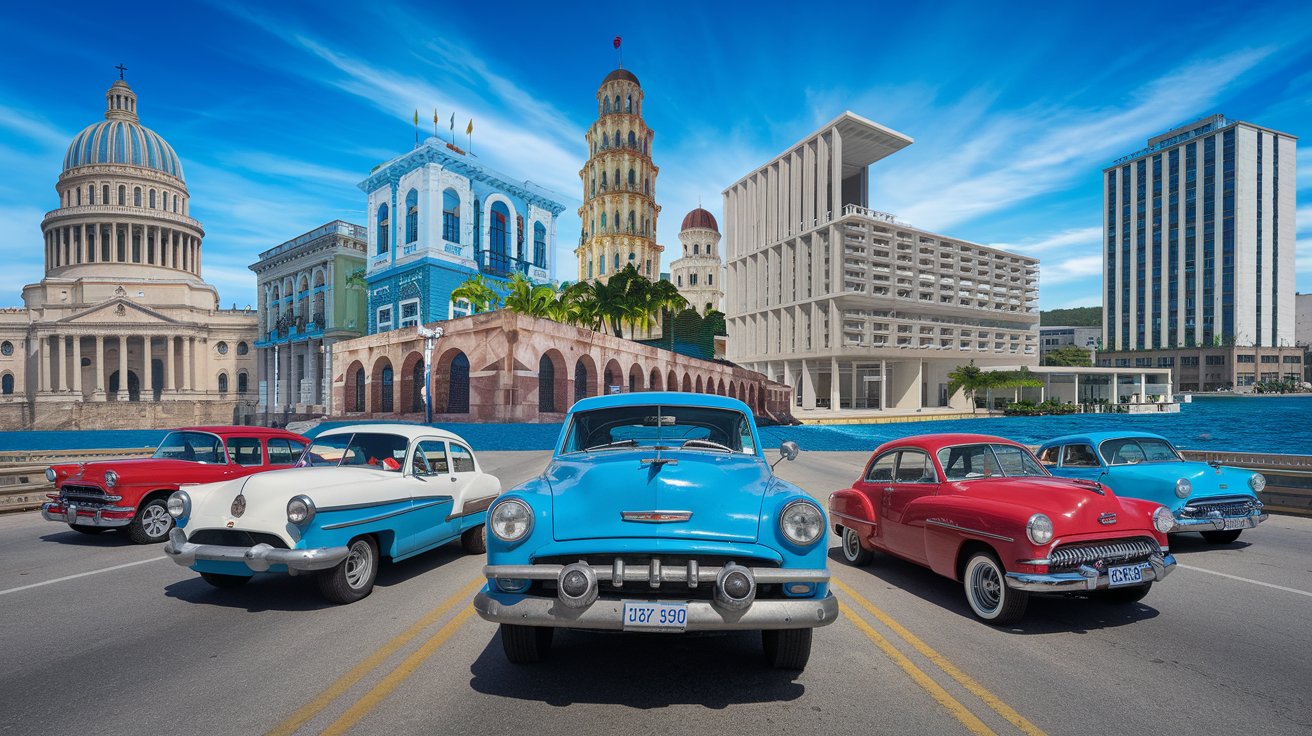
Cuba is most known for its world-class cigars, vintage classic cars, vibrant salsa music, pristine beaches, and revolutionary history. This Caribbean island nation has captivated the world with its unique blend of Spanish colonial architecture, rich cultural heritage, and iconic figures like Che Guevara and Fidel Castro. From Havana’s colorful streets to the tobacco fields of Viñales, Cuba offers an unforgettable experience that defines Caribbean culture.
Cuban Cigars: The World’s Finest Tobacco Products
Cuba is famous for cigars that are considered the gold standard worldwide. Cuban tobacco, grown in the Vuelta Abajo region of Pinar del Río, benefits from unique soil conditions and climate that create unmatched flavor profiles. Brands like Cohiba, Montecristo, and Romeo y Julieta have dominated the luxury cigar market for over a century, with some premium cigars selling for hundreds of dollars each in international markets.
The Cuban cigar industry employs over 20,000 people and generates approximately $500 million annually in export revenue as of 2024. Master cigar rollers, known as torcedores, undergo years of training to perfect their craft, with the most skilled artisans capable of rolling up to 150 cigars per day. The Cuban tobacco cultivation process follows traditional methods passed down through generations, ensuring consistent quality that has made Cuban cigars synonymous with luxury worldwide.
Classic American Cars: Rolling Museum of Vintage Automobiles
Cuba’s streets showcase the world’s largest collection of functioning classic cars from the 1940s and 1950s. Due to the U.S. trade embargo that began in 1960, Cubans have maintained and modified over 60,000 vintage American automobiles, creating a unique automotive time capsule. Chevrolet Bel Airs, Ford Fairlanes, and Cadillac Eldorados cruise through Havana’s streets daily, many serving as colorful taxis for tourists.
These vintage cars have become essential to Cuba’s tourism industry, generating over $200 million annually through classic car tours and rentals. Cuban mechanics have developed ingenious solutions to keep these vehicles running, often using Soviet-era engines and homemade parts. The sight of perfectly preserved 1950s automobiles against colonial architecture has made Cuba a photographer’s paradise and a must-visit destination for automotive enthusiasts worldwide.
Cuban Music and Dance: Rhythm of the Caribbean
Cuba is the birthplace of numerous music genres that have influenced global culture, including salsa, mambo, rumba, and cha-cha-cha. The island’s musical heritage combines African rhythms, Spanish melodies, and indigenous influences, creating a distinctive sound that has captivated audiences worldwide. Famous Cuban musicians like Benny Moré, Compay Segundo, and Celia Cruz have achieved international acclaim, with Cuban music generating over $100 million in annual cultural exports.
Salsa dancing originated in Cuba and has become a global phenomenon, with Cuban dance schools teaching millions of students worldwide. The Buena Vista Social Club album, recorded in Havana, sold over 8 million copies globally and won a Grammy Award, introducing traditional Cuban music to new generations. Cuban music festivals attract over 500,000 visitors annually, contributing significantly to the island’s tourism revenue while preserving its rich cultural traditions.
Traditional Cuban Instruments and Sounds
Cuban music features distinctive instruments like the tres guitar, conga drums, and maracas that create the island’s signature sound. The Cuban tres guitar, with its three pairs of strings, produces the bright, melodic lines characteristic of son cubano music. Professional Cuban musicians often begin training in childhood, attending specialized music schools that have produced world-renowned performers and composers who continue to influence global music trends.
Global Impact of Cuban Musical Styles
Cuban musical styles have influenced genres worldwide, from jazz and pop to Latin rock and reggaeton. The Cuban rhythm patterns, particularly the clave beat, form the foundation of most Latin music genres played globally. Major international artists regularly collaborate with Cuban musicians, and Cuban music schools have trained performers who now lead orchestras and bands across Europe, Asia, and the Americas, spreading Cuban musical traditions worldwide.
Revolutionary History and Iconic Leaders
Cuba is internationally known for the Cuban Revolution of 1959, led by Fidel Castro and Che Guevara, which transformed the island into a socialist state. The revolution’s impact extended far beyond Cuba’s borders, inspiring liberation movements across Latin America and Africa. Che Guevara’s iconic image has become one of the most recognizable symbols worldwide, appearing on everything from t-shirts to murals, making him a global revolutionary icon.
The Cuban Revolution established the first communist state in the Western Hemisphere, leading to a complex relationship with the United States that included the Bay of Pigs invasion and Cuban Missile Crisis. Historical sites like the Museum of the Revolution in Havana and the Che Guevara Mausoleum in Santa Clara attract over 300,000 visitors annually, showcasing Cuba’s pivotal role in 20th-century global politics and revolutionary movements.
Cuban Cuisine and Culinary Traditions
Cuban food combines Spanish, African, and Caribbean influences to create distinctive flavors that reflect the island’s multicultural heritage. Signature dishes like ropa vieja (shredded beef), moros y cristianos (black beans and rice), and lechón asado (roasted pork) showcase traditional cooking methods passed down through generations. Cuban cuisine emphasizes fresh ingredients, bold spices, and slow-cooking techniques that create rich, satisfying flavors.
The island is particularly famous for food items like Cuban sandwiches, which have gained international popularity, and tropical fruits like mamey and guava that grow abundantly in the Caribbean climate. Cuban coffee culture is integral to daily life, with strong, sweet café cubano served throughout the day. Traditional Cuban restaurants, known as paladares, have experienced growth since economic reforms, offering authentic culinary experiences that attract food enthusiasts from around the world.
Traditional Cuban Dishes and Ingredients
Cuban cuisine features staple ingredients like black beans, rice, plantains, and yuca that form the foundation of most traditional meals. Cuban cooking techniques include slow-roasting meats with mojo sauce (garlic, citrus, and herbs) and preparing beans with sofrito (a flavor base of onions, peppers, and garlic). These cooking methods create the distinctive flavors that make Cuban food recognizable worldwide, with many Cuban restaurants operating successfully in Miami, New York, and other major U.S. cities.
Cuban Coffee Culture and Beverages
Cuban coffee culture revolves around strong, sweet espresso served in small portions throughout the day. Café cubano is prepared by mixing sugar directly with espresso during brewing, creating a thick, sweet coffee that energizes millions of Cubans daily. Other popular Cuban beverages include mojitos made with fresh mint and white rum, and guarapo (fresh sugarcane juice) that provides natural refreshment in the tropical climate.
Pristine Beaches and Natural Beauty
Cuba boasts over 3,500 miles of coastline featuring some of the Caribbean’s most beautiful beaches with crystal-clear waters and white sand. Varadero Beach, stretching 12 miles along the Hicacos Peninsula, consistently ranks among the world’s top beach destinations, attracting over 1 million visitors annually. The island’s pristine beaches offer excellent conditions for swimming, snorkeling, and diving, with coral reefs that support diverse marine ecosystems.
Natural attractions like the Valley of Viñales, a UNESCO World Heritage Site, showcase Cuba’s dramatic limestone formations and traditional tobacco farming landscapes. The island’s natural beauty includes tropical forests, mountain ranges, and over 350 bird species, making it a popular destination for eco-tourism. Cuban beaches and natural areas contribute over $3 billion annually to the tourism industry, supporting local communities while preserving the island’s environmental treasures.
Spanish Colonial Architecture and Historic Cities
Cuba’s cities showcase exceptional Spanish colonial architecture that has been preserved for over 500 years. Old Havana (Habana Vieja) contains the largest collection of colonial buildings in Latin America, with over 900 historic structures dating from the 16th to 19th centuries. The area was designated a UNESCO World Heritage Site in 1982, recognizing its outstanding universal value as an example of Spanish colonial urban planning and architecture.
Colonial cities like Trinidad and Santiago de Cuba feature cobblestone streets, colorful facades, and baroque churches that transport visitors back in time. The restoration of historic architecture has become a major focus, with international funding supporting preservation efforts that maintain Cuba’s colonial character while adapting buildings for modern use. These architectural treasures attract over 2 million cultural tourists annually, contributing significantly to Cuba’s heritage tourism sector.
Baseball: Cuba’s National Passion
Baseball is Cuba’s national sport, with the island producing some of the world’s most talented players who have achieved success in Major League Baseball. Cuban baseball has a rich history dating back to the 1870s, with the Cuban national team winning three Olympic gold medals and consistently ranking among the world’s top baseball nations. The sport is deeply embedded in Cuban culture, with games drawing passionate crowds and serving as a source of national pride.
Many Cuban players have defected to join MLB teams, where they’ve become superstars earning millions of dollars while showcasing Cuban baseball talent on the world stage. Players like José Abreu, Yoenis Céspedes, and Aroldis Chapman have demonstrated the exceptional skill level of Cuban baseball players. The island’s baseball academies continue producing top-tier talent, with Cuban players representing a significant portion of international players in professional leagues worldwide.
Rum Production and Caribbean Spirits
Cuba produces some of the world’s finest rum, with brands like Havana Club and Santiago de Cuba gaining international recognition for their quality and craftsmanship. Cuban rum production dates back to the 16th century, when Spanish colonists began distilling sugarcane into premium spirits. The island’s rum production benefits from ideal climate conditions, high-quality sugarcane, and traditional aging processes that create smooth, complex flavors prized by connoisseurs worldwide.
The Cuban rum industry generates over $200 million in annual export revenue, with premium aged rums commanding high prices in international markets. Cuban spirits are integral to the island’s cocktail culture, with classic drinks like mojitos, daiquiris, and Cuba libres showcasing the versatility of Cuban rum. Distillery tours in Santiago de Cuba and Havana attract thousands of visitors annually, offering tastings and education about traditional rum-making techniques that have been refined over centuries.
Related video about what is cuba most known for
This video complements the article information with a practical visual demonstration.
Most asked questions about what is cuba most known for
What is Cuba mostly known for?
Cuba is mostly known for its world-class cigars, vintage 1950s American cars, vibrant salsa music, pristine Caribbean beaches, and revolutionary history. The island is also famous for its Spanish colonial architecture, exceptional rum, passionate baseball culture, and distinctive cuisine that blends Spanish, African, and Caribbean influences.
Is Cuba famous for cigars?
Yes, Cuba is world-famous for producing the finest cigars globally. Cuban cigars are considered the gold standard due to unique tobacco grown in Pinar del Río province’s ideal soil and climate conditions. Brands like Cohiba, Montecristo, and Romeo y Julieta are internationally recognized, with the cigar industry generating approximately $500 million annually in export revenue.
What are 5 interesting facts about Cuba?
Five interesting facts about Cuba include: 1) It has the world’s largest collection of functioning 1950s American cars (over 60,000), 2) Cuban cigars are hand-rolled by master craftsmen called torcedores, 3) The island is the birthplace of salsa, mambo, and rumba music, 4) Cuba has over 3,500 miles of pristine coastline, and 5) Old Havana contains over 900 colonial buildings from the 16th-19th centuries.
What is Cuba most known for producing?
Cuba is most known for producing premium tobacco and cigars, world-class rum, exceptional baseball players, and influential music. The island also produces high-quality coffee, tropical fruits, and maintains a thriving cultural arts scene. Cuban cigars and rum are particularly renowned worldwide, with both industries contributing significantly to the island’s international reputation and export economy.
What is Cuba most known for food?
Cuba is most known for dishes like ropa vieja (shredded beef), moros y cristianos (black beans and rice), lechón asado (roasted pork), and Cuban sandwiches. The cuisine combines Spanish, African, and Caribbean influences, featuring ingredients like plantains, yuca, and tropical fruits. Cuban coffee culture and cocktails like mojitos and daiquiris are also internationally famous.
Is $1 USD a good tip in Cuba?
Yes, $1 USD is considered a good tip in Cuba for most services. Due to the dual currency system and average Cuban wages, $1 USD represents significant purchasing power locally. For restaurant meals, $1-2 is appropriate, while hotel staff and tour guides might receive $2-5 depending on service quality. U.S. dollars are widely accepted and preferred by service workers.
| Cuban Icon | Global Recognition | Cultural Impact |
|---|---|---|
| Cuban Cigars | World’s finest tobacco products | $500M annual export revenue |
| Classic Cars | 60,000+ vintage automobiles | Living automotive museum |
| Salsa Music | Birthplace of multiple genres | Global dance phenomenon |
| Colonial Architecture | UNESCO World Heritage Sites | 2M+ cultural tourists annually |
| Cuban Beaches | 3,500+ miles of pristine coastline | $3B tourism contribution |