
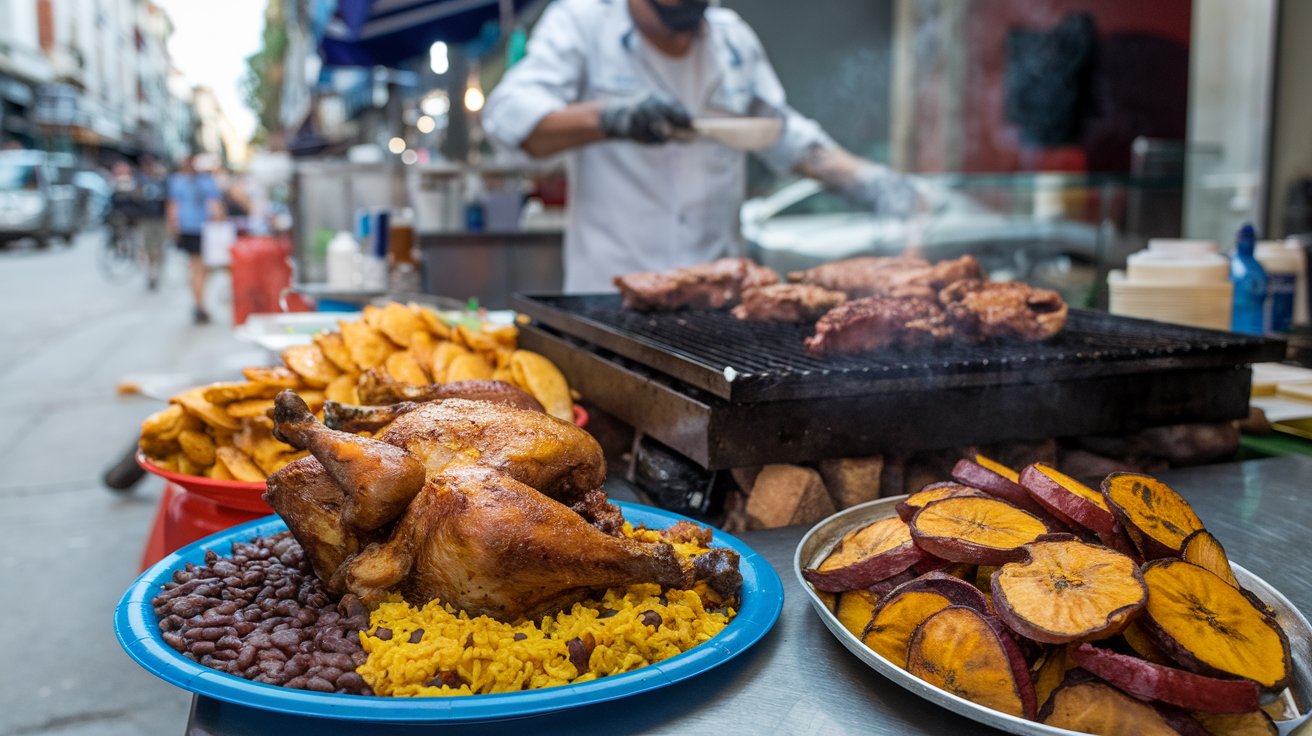
Cuban cuisine represents a unique fusion of Spanish, African, and Caribbean influences that creates some of the world’s most flavorful comfort food. The island nation is renowned for dishes like ropa vieja, the iconic Cuban sandwich, and aromatic rice and beans that define its culinary identity. These traditional foods showcase Cuba’s rich cultural heritage through bold spices, slow-cooked meats, and tropical ingredients that have captivated food lovers worldwide.
Cuba’s National Dish and Most Popular Foods
Ropa vieja stands as Cuba’s unofficial national dish, featuring tender shredded beef slow-cooked in a rich tomato-based sauce with bell peppers, onions, and aromatic spices. This beloved Cuban food translates to “old clothes” due to its shredded appearance, and it perfectly represents the island’s approach to transforming simple ingredients into extraordinary meals. The dish originated from Spanish influences but evolved into something uniquely Cuban through generations of home cooking.
Beyond ropa vieja, Cuban cuisine is celebrated for its hearty rice and beans combinations, particularly “Moros y Cristianos” (black beans and rice) and “Congri” (red beans and rice). These staple dishes appear on virtually every Cuban table and provide the foundation for most meals. The preparation involves cooking beans separately before combining them with perfectly seasoned rice, creating a harmonious blend of flavors and textures that defines authentic Cuban dining.
Iconic Cuban Sandwich and Street Food Culture
The Cuban sandwich has become one of the most recognized symbols of Cuban food culture, particularly in the United States where it gained massive popularity in Florida’s Cuban-American communities. This pressed sandwich traditionally contains roast pork, ham, Swiss cheese, pickles, and mustard on Cuban bread, creating a perfect balance of flavors and textures. The sandwich’s popularity has spread nationwide, with many American restaurants featuring their own interpretations of this Cuban classic.
Street food culture in Cuba extends far beyond the famous sandwich to include popular items like croquetas (fried ham croquettes), empanadas filled with various meats and vegetables, and chicharrones (crispy pork rinds). These portable foods reflect the practical needs of Cuban workers and the island’s love for crispy, flavorful snacks. Many of these street foods have found their way into Cuban restaurants across the United States, particularly in Miami, Tampa, and New York City.
Traditional Cuban Main Dishes and Cooking Methods
Cuban main dishes showcase the island’s mastery of slow-cooking techniques and bold seasoning. Lechón asado (roast pork) represents one of the most celebrated preparations, where whole pigs are roasted over open fires with a citrus-based marinade called mojo. This cooking method produces incredibly tender meat with crispy skin, making it a centerpiece for celebrations and family gatherings. The preparation often takes 12-24 hours, demonstrating the patience and dedication that characterizes authentic Cuban food.
Other essential main dishes include pollo a la plancha (grilled chicken), pescado a la veracruzana (fish in tomato sauce), and various beef preparations that utilize affordable cuts transformed through careful seasoning and slow cooking. Cuban cooks excel at creating tender, flavorful meals using techniques passed down through generations, often incorporating sofrito (a base sauce of garlic, onions, and peppers) as the foundation for most savory dishes.
Cuban Desserts and Sweet Traditions
Cuban desserts reflect the island’s access to tropical fruits and its Spanish colonial heritage through rich, sweet confections. Flan cubano stands as the most iconic dessert, featuring a silky custard topped with caramelized sugar that melts into a golden sauce. This dessert appears at virtually every Cuban celebration and family dinner, representing the perfect ending to a traditional meal. The Cuban version often includes coconut or citrus flavors that distinguish it from similar desserts in other Latin American countries.
Other beloved Cuban desserts include tres leches cake (three-milk cake), arroz con leche (rice pudding), and various fruit-based sweets utilizing guava, mango, and coconut. Dulce de leche and cajeta (caramel confections) also play important roles in Cuban sweet traditions. These desserts often incorporate rum or other local spirits, adding complexity and reflecting Cuba’s renowned distilling traditions that complement its culinary heritage.
Cuban vs Mexican Food: Understanding the Differences
Many Americans wonder if Cuban food is similar to Mexican cuisine, but these culinary traditions differ significantly in ingredients, preparation methods, and flavor profiles. While both cuisines share some Spanish colonial influences, Cuban food emphasizes citrus marinades, black beans, and Caribbean spices, whereas Mexican cuisine focuses on corn-based dishes, multiple chile varieties, and indigenous ingredients like cacao and vanilla. Cuban cooking relies heavily on garlic, oregano, and cumin, creating earthier flavors compared to Mexican food’s heat-forward approach.
The preparation methods also distinguish these cuisines significantly. Cuban cooking emphasizes slow-roasting and braising techniques that create tender, fall-apart textures, while Mexican cooking often features grilling, stone grinding, and complex sauce preparations. Cuban meals typically center around rice and beans with meat, while Mexican meals might focus on tortillas, salsas, and varied protein preparations. Understanding these differences helps Americans appreciate the unique character of authentic Cuban cuisine.
Popular Cuban Beverages and Drink Culture
Cuban beverage culture centers around coffee, rum, and tropical fruit drinks that complement the island’s flavorful cuisine. Cuban coffee, known as “café cubano” or “cortadito,” features a strong espresso base with demerara sugar whipped into a sweet foam, creating an intensely flavorful drink that Cubans consume throughout the day. This coffee culture has become integral to Cuban social life and has influenced coffee preparation in Cuban-American communities across the United States.
Rum-based cocktails like mojitos and daiquiris originated in Cuba and remain essential parts of the island’s drinking culture. These cocktails showcase Cuban expertise in balancing sweet, sour, and strong flavors while incorporating fresh tropical ingredients like mint, lime, and sugar cane. Non-alcoholic options include guarapo (fresh sugar cane juice), batidos (fruit smoothies), and malta (a sweet, non-alcoholic malt beverage) that provide refreshing accompaniments to Cuba’s rich, hearty foods.
Cuban Food Traditions and Cultural Significance
Cuban traditions surrounding food emphasize family gatherings, celebration meals, and the social aspects of cooking and dining. Sunday family dinners often feature elaborate spreads including multiple main dishes, sides, and desserts that bring extended families together for hours of eating and conversation. These gatherings showcase the communal nature of Cuban culture, where food serves as a vehicle for maintaining family bonds and cultural identity, especially within Cuban-American communities in the United States.
Holiday and celebration foods hold special significance in Cuban traditions, with specific dishes associated with Christmas, New Year’s, and other important occasions. Nochebuena (Christmas Eve) typically features lechón asado, black beans and rice, yuca with mojo, and traditional desserts that have been prepared the same way for generations. These food traditions help Cuban families maintain their cultural heritage and pass important recipes and techniques to younger generations, preserving authentic Cuban food practices even outside Cuba.
Top 10 Cuban Dishes Americans Should Try
Creating a definitive list of top 10 Cuban dishes helps Americans understand the breadth and diversity of the island’s culinary offerings. The list typically includes ropa vieja, Cuban sandwich, moros y cristianos, lechón asado, picadillo (seasoned ground beef), yuca con mojo, maduros (sweet plantains), croquetas, flan cubano, and café cubano. Each dish represents different aspects of Cuban cuisine, from everyday comfort foods to special occasion centerpieces.
These top Cuban dishes are increasingly available in Cuban restaurants throughout the United States, particularly in cities with significant Cuban-American populations. Many dishes have been adapted slightly for American palates while maintaining their authentic flavors and preparation methods. Understanding these essential dishes provides Americans with a comprehensive introduction to Cuban culinary culture and helps them appreciate the complexity and richness of this Caribbean cuisine.
Cuban Food Menu Essentials for Restaurants
A comprehensive Cuban food menu in American restaurants typically organizes dishes into appetizers, main courses, sides, and desserts that showcase the cuisine’s variety and appeal. Appetizers usually feature croquetas, empanadas, and plantain chips, while main courses highlight ropa vieja, lechón asado, grilled fish, and chicken preparations. Side dishes emphasize rice and bean combinations, yuca preparations, and vegetable dishes that complement the protein-focused main courses.
Modern Cuban food menu design in the United States often includes explanatory descriptions that help American diners understand unfamiliar ingredients and preparation methods. Many restaurants also offer fusion dishes that blend traditional Cuban flavors with American preferences, creating accessible entry points for diners new to the cuisine. The most successful Cuban restaurants balance authenticity with accessibility, ensuring that both Cuban-Americans seeking traditional flavors and curious Americans can find satisfying options on the same menu.
Related video about what food is cuba known for
This video complements the article information with a practical visual demonstration.
Everything you need to know about what food is cuba known for
What is Cuba’s most popular food?
Ropa vieja is widely considered Cuba’s most popular and iconic dish. This shredded beef preparation, slow-cooked in tomato sauce with peppers and onions, represents the heart of Cuban cuisine. It’s served in virtually every Cuban restaurant and home, often accompanied by rice, black beans, and sweet plantains. The dish’s popularity stems from its rich flavors, tender texture, and representation of Cuban cooking techniques.
What is the national dish of Cuba?
While Cuba doesn’t have an officially designated national dish, ropa vieja is universally recognized as the unofficial national dish. This beloved preparation of shredded beef in savory tomato sauce embodies Cuban culinary traditions and appears on tables throughout the island and in Cuban communities worldwide. The dish perfectly represents Cuba’s approach to creating extraordinary flavors from simple, accessible ingredients.
Is Cuban food like Mexican food?
Cuban food differs significantly from Mexican cuisine despite some shared Spanish colonial influences. Cuban cuisine emphasizes citrus marinades, black beans, slow-roasted meats, and Caribbean spices, while Mexican food focuses on corn-based dishes, various chiles, and indigenous ingredients. Cuban cooking techniques favor braising and slow-roasting, creating tender textures, whereas Mexican cuisine often features grilling and complex sauce preparations with heat-forward flavors.
What are the most famous Cuban desserts?
Cuban desserts are renowned for their rich, sweet flavors and tropical influences. Flan cubano stands as the most famous, featuring silky custard with caramelized sugar. Other popular Cuban desserts include tres leches cake, arroz con leche (rice pudding), and various fruit-based sweets using guava, mango, and coconut. Many incorporate rum or local spirits, reflecting Cuba’s distilling traditions and creating unique flavor profiles.
Where can I find authentic Cuban food in the United States?
Authentic Cuban food is most readily available in Florida, particularly Miami and Tampa, which have large Cuban-American populations. New York City, Los Angeles, and Chicago also feature excellent Cuban restaurants. Look for establishments serving traditional dishes like ropa vieja, lechón asado, and proper Cuban sandwiches. Many Cuban bakeries and cafeterias offer authentic breakfast items, coffee, and pastries that provide genuine Cuban culinary experiences.
What makes Cuban coffee special?
Cuban coffee, or café cubano, is distinguished by its preparation method where demerara sugar is whipped with the first drops of espresso to create a sweet, creamy foam called espuma. This technique produces an intensely flavored, sweet coffee that’s stronger than typical American coffee but smoother than straight espresso. The social ritual of sharing Cuban coffee is also integral to Cuban culture, making it both a beverage and a cultural experience.
| Cuban Food Category | Signature Dishes | Cultural Significance |
|---|---|---|
| Main Dishes | Ropa Vieja, Lechón Asado, Picadillo | Represents family traditions and celebration meals |
| Street Food | Cuban Sandwich, Croquetas, Empanadas | Showcases portable, accessible Cuban flavors |
| Side Dishes | Moros y Cristianos, Yuca con Mojo, Maduros | Essential components of every Cuban meal |
| Desserts | Flan Cubano, Tres Leches, Arroz con Leche | Reflects tropical influences and sweet traditions |
| Beverages | Café Cubano, Mojito, Guarapo | Central to social interactions and daily rituals |