
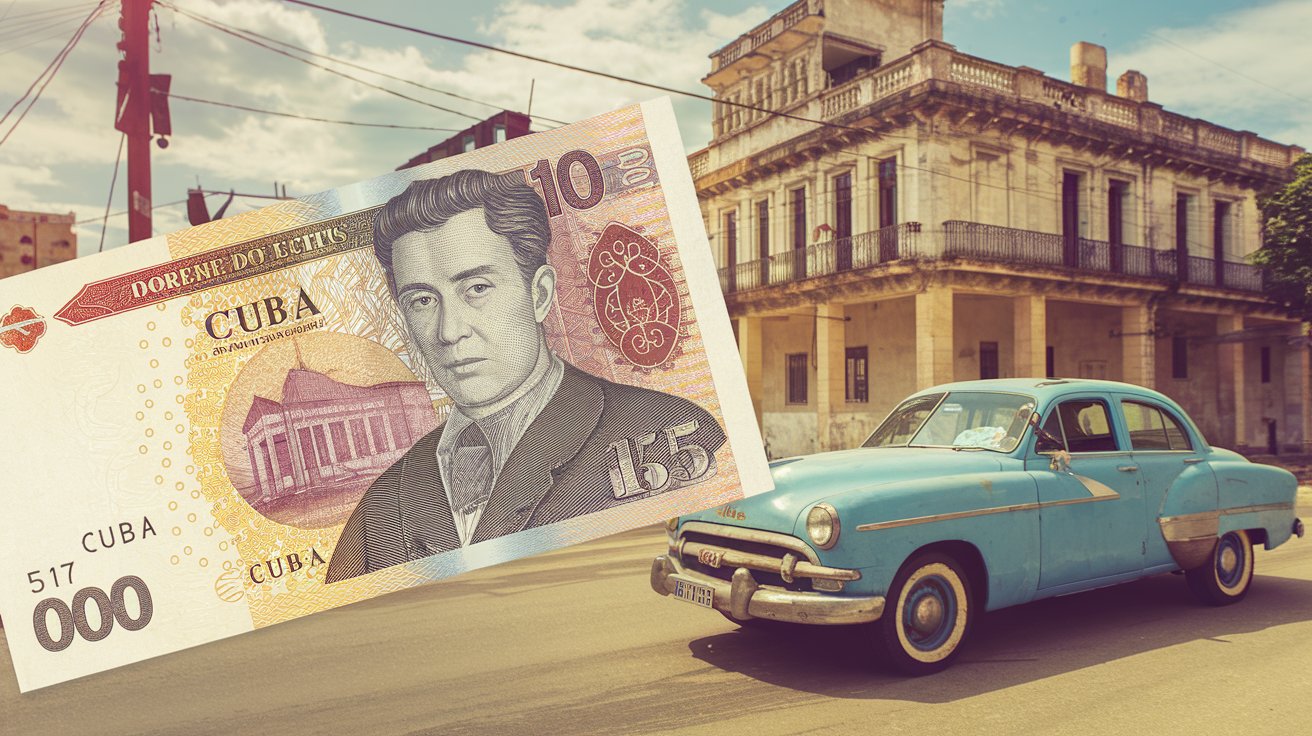
Cuba officially uses the Cuban Peso (CUP) as its primary currency, but the US Dollar is widely accepted and often preferred for American travelers. Understanding Cuba’s dual currency system is essential for planning your trip, as exchange rates and acceptance vary significantly across different establishments and regions.
Official Currency System in Cuba
The Cuban Peso (CUP) became Cuba’s sole official currency in January 2021 after the government eliminated the dual currency system. However, the reality on the ground differs significantly from official policy. The US Dollar maintains strong acceptance throughout the island, particularly in tourist areas, hotels, and private businesses.
As of 2025, the official exchange rate fluctuates around 120-130 CUP per US Dollar, but informal market rates can reach 200+ CUP per dollar. This discrepancy creates opportunities for savvy travelers who understand which currency to use in different situations.
Cuban Peso (CUP) Usage
The Cuban Peso is mandatory for government-controlled establishments, public transportation, and state-run restaurants. Street vendors, local markets, and most Cuban citizens prefer CUP for daily transactions. You’ll need Cuban pesos for buses (1-2 CUP), street food (10-50 CUP), and government museums (30-100 CUP).
US Dollar Acceptance
Private restaurants, casa particulares, and tourist services often prefer US Dollars due to stability and ease of international transactions. Many establishments quote prices in dollars, especially for accommodation, tours, and upscale dining. The dollar provides better value and convenience for American travelers in most tourist scenarios.
Best Currency for American Travelers
The US Dollar is the best currency to bring to Cuba for American travelers in 2025. Unlike Canadian dollars or Euros, USD faces no additional conversion fees or penalties. Most Cuban businesses readily accept dollars, and you’ll avoid unfavorable official exchange rates when possible.
Bring crisp, new US Dollar bills dated 2006 or later, as older or damaged bills may be rejected. Avoid $50 and $100 bills in smaller establishments, as they often lack sufficient change. Focus on $1, $5, $10, and $20 denominations for optimal flexibility and acceptance across different Cuban businesses.
Cash Requirements
Cuba remains a predominantly cash-based economy where credit cards have limited acceptance. Bring sufficient cash for your entire trip, typically $100-150 per day for comfortable travel. ATMs exist but often malfunction or run out of money, making them unreliable for American travelers seeking consistent access to Cuban currency.
Currency Quality Standards
Cuban businesses are extremely particular about currency condition. Bills with tears, excessive wear, or markings are frequently rejected. Exchange houses and banks may offer 10-15% less for damaged bills. Always carry pristine American money to ensure maximum acceptance and value throughout your Cuban travels.
Exchange Rates and Where to Exchange Money
Official exchange rates in 2025 hover around 130 CUP per US Dollar, but informal market rates can reach 200+ CUP per dollar. This significant difference means how much Cuban peso you receive varies dramatically based on where you exchange money.
Government CADECA exchange houses offer official rates but often have long lines and limited hours. Hotels provide convenience but typically offer 10-20% worse rates than banks. Private individuals may offer better rates but carry legal and safety risks for tourists unfamiliar with Cuban regulations.
Official Exchange Options
Banks and CADECA offices provide secure, legal exchanges at official rates. Expect to wait 30-60 minutes during peak hours and bring passport identification. These locations guarantee authentic Cuban Peso bills and provide official receipts, though rates are less favorable than informal alternatives.
Hotel and Resort Exchange
Hotels offer convenient currency exchange but typically provide the worst rates available. Resort guests often accept poor exchange rates for convenience, losing 15-25% of their money’s value. Consider exchanging only small amounts at hotels for immediate needs while seeking better rates elsewhere for larger transactions.
What You Can Buy with $100 American Money
$100 in American money provides substantial purchasing power in Cuba when used strategically. In CUP terms, $100 equals approximately 13,000-20,000 Cuban pesos depending on exchange rates, covering 3-4 days of moderate tourist expenses including meals, transportation, and attractions.
Direct dollar purchases often provide better value than peso conversions. A quality casa particular room costs $30-50 USD directly, while the equivalent peso amount might cost $60-80 when exchanged at official rates. This pricing discrepancy makes US Dollars significantly more valuable for major expenses.
Daily Expense Breakdown by Currency
Understanding daily costs helps determine how much of each currency to carry. Budget travelers spend $40-60 daily, mid-range tourists $80-120, and luxury travelers $150+ per day. Currency choice significantly impacts these amounts due to varying exchange rates and acceptance policies.
Breakfast at casa particulares costs $5-8 USD or 800-1200 CUP. Lunch at private restaurants ranges $15-25 USD or 2000-3500 CUP. Dinner expenses vary from $20-40 USD or 3000-6000 CUP. Transportation, attractions, and miscellaneous expenses add $15-25 daily regardless of currency used.
Accommodation Costs
Casa particulares charge $25-60 USD per night or equivalent CUP amounts at favorable rates. Hotels typically quote prices in US Dollars only, ranging from $80-200+ nightly. Paying in dollars often provides 10-20% savings compared to peso conversions for accommodation expenses.
Food and Dining Expenses
Street food costs 50-200 CUP per meal, requiring Cuban Peso for purchases. Private restaurants accept both currencies but often prefer dollars for menu items over 1000 CUP. Government restaurants mandate CUP payments, typically costing 300-800 CUP per meal with limited food quality and availability.
ATM and Banking Restrictions for Americans
American credit and debit cards face severe restrictions in Cuba due to ongoing sanctions. Most US-issued cards don’t work in Cuban ATMs, making cash the only reliable payment method. Even cards that function often have daily withdrawal limits of $50-100 with substantial fees.
Cuban ATMs frequently malfunction, run out of cash, or reject foreign cards without explanation. Relying on ATMs for Cuban currency access creates significant travel risks. Successful ATM transactions typically incur 3-5% bank fees plus unfavorable exchange rates, making cash preparation essential for American travelers.
Tipping Culture and Currency Preferences
Tipping in Cuba varies by service type and establishment. Restaurant servers expect 10-15% tips, preferably in US Dollars for better value. Hotel staff appreciate $1-2 USD daily for housekeeping and $5-10 for concierge services. Tour guides typically receive $10-20 USD per day depending on group size and service quality.
Casa particular hosts don’t expect tips but appreciate small gifts or dollars for exceptional service. Taxi drivers, especially private ones, prefer dollar tips of $1-5 depending on trip length. Government employees officially can’t accept tips, but many private service workers depend on gratuities for substantial income supplements.
Related video about which currency does cuba use
This video complements the article information with a practical visual demonstration.
What you should know
How much is $1 US in Cuba?
One US Dollar equals approximately 120-130 Cuban Pesos at official exchange rates in 2025. However, informal market rates can reach 180-200 CUP per dollar. The actual value depends on where you exchange money, with banks offering official rates and private exchanges potentially providing better rates.
Can you use US dollars in Cuba?
Yes, US Dollars are widely accepted in Cuba, especially at private businesses, casa particulares, and tourist establishments. Many businesses prefer dollars due to stability and easier international transactions. However, government-run establishments typically require Cuban Pesos for purchases.
What currency is best to take to Cuba?
US Dollars are the best currency for American travelers to bring to Cuba. Unlike other foreign currencies, dollars face no conversion penalties and are widely accepted. Bring crisp, new bills dated 2006 or later in denominations of $1, $5, $10, and $20 for optimal acceptance and flexibility.
How much is $100 in American money in Cuba?
$100 USD equals approximately 13,000-20,000 Cuban Pesos depending on exchange rates and location. This amount covers 3-4 days of moderate tourist expenses including meals, accommodation, and attractions. Using dollars directly often provides better value than converting to pesos for major purchases.
Should I exchange money before going to Cuba?
No, you cannot exchange Cuban Pesos outside of Cuba, and it’s illegal to import or export CUP. Bring US Dollars in cash and exchange them upon arrival. Avoid exchanging large amounts at airports due to poor rates; instead, use banks or CADECA offices for better official exchange rates.
Do credit cards work in Cuba for Americans?
Most American credit and debit cards don’t work in Cuba due to US sanctions. Cuban ATMs frequently reject US-issued cards, and those that work often have low daily limits with high fees. Cash remains the primary payment method for American travelers in Cuba.
| Currency Type | Best Use Cases | Key Advantages |
|---|---|---|
| US Dollar | Hotels, casa particulares, private restaurants, tours | Widely accepted, stable value, no conversion fees |
| Cuban Peso (CUP) | Public transport, street food, government establishments | Required for many local services, better informal rates |
| Mixed Strategy | Optimal travel approach using both currencies | Maximum flexibility and value optimization |