
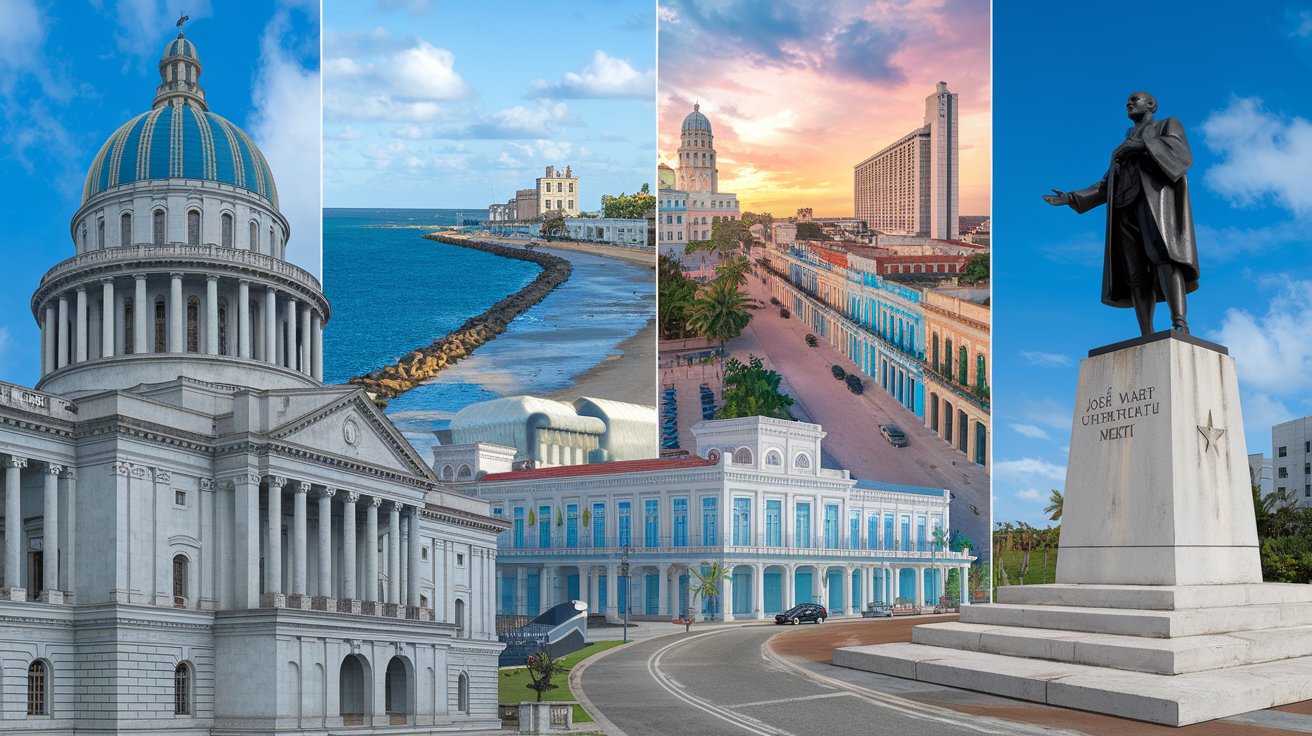
Havana, Cuba’s captivating capital, offers an extraordinary blend of colonial architecture, vibrant culture, and revolutionary history. From the UNESCO World Heritage site of Old Havana to the iconic Malecón seawall, these tourist attractions in Cuba Havana provide visitors with an unforgettable Caribbean experience combining Spanish colonial charm with modern Cuban life.
Old Havana (Habana Vieja): UNESCO World Heritage Marvel
Old Havana stands as Cuba’s crown jewel and one of the most preserved colonial cities in the Americas. This UNESCO World Heritage site encompasses over 140 hectares of cobblestone streets, baroque churches, and colonial mansions dating back to the 16th century. Walking through its narrow streets reveals layers of history, from Spanish colonial architecture to art deco buildings that showcase Havana’s famous cultural heritage.
The restoration efforts led by the Office of the City Historian have transformed Old Havana into a living museum where locals still reside and work. Visitors can explore centuries-old plazas, browse local artisan shops, and witness the daily life of Habaneros. The area contains four main plazas, each with its unique character and historical significance, making it essential for any tourist visiting Cuba.
Plaza de Armas: Havana’s First Square
Plaza de Armas, established in 1519, represents Havana’s oldest square and the heart of Old Havana. Surrounded by important buildings like the Museum of the City and the Palace of the Captains General, this plaza hosts a daily book market where visitors can find rare Cuban literature and vintage postcards. The central park features royal palm trees and serves as a peaceful gathering place for both tourists and locals.
Plaza Vieja: Architectural Time Capsule
Plaza Vieja showcases the evolution of Cuban architecture across four centuries. Originally built in 1559 as Plaza Nueva, this square features buildings representing baroque, art nouveau, and art deco styles. The Camera Obscura on the square’s northeast corner offers panoramic views of Havana, while the surrounding galleries and cafes provide insight into contemporary Cuban art and culture.
The Malecón: Havana’s Iconic Seawall
The Malecón seawall stretches for 8 kilometers along Havana’s coastline, serving as the city’s most beloved gathering place. Built between 1901 and 1952, this oceanfront promenade offers spectacular views of the Florida Straits and serves as Havana’s outdoor living room. During sunset, hundreds of locals and tourists gather to socialize, fish, and enjoy the sea breeze, making it one of the most famous tourist attractions in Cuba.
The Malecón connects several important neighborhoods, from Old Havana to Vedado, providing a scenic route for both walking and driving. Along its length, visitors encounter street performers, vendors selling fresh coconut water, and couples enjoying romantic moments. The seawall also serves as a cultural barometer of Havana, where you can observe daily Cuban life and the resilient spirit of its people.
Plaza de la Revolución: Symbol of Modern Cuba
Plaza de la Revolución represents one of the world’s largest public squares and the political heart of modern Cuba. Dominated by the José Martí Memorial, a 139-meter tower dedicated to Cuba’s national hero, this square has hosted millions during historic rallies and political events. The plaza covers 72,000 square meters and can accommodate over one million people, making it a significant site for understanding Cuba’s revolutionary history.
The iconic images of Che Guevara and Camilo Cienfuegos on the Ministry buildings have become symbols recognized worldwide. Visitors can ascend the José Martí Memorial for panoramic views of Havana and explore the museum dedicated to Cuba’s independence hero. The square’s importance extends beyond politics, serving as a venue for papal visits and major cultural events that define modern Cuban identity.
El Capitolio: Architectural Grandeur Restored
El Capitolio, Havana’s National Capitol Building, underwent extensive restoration and reopened in 2019 as the seat of Cuba’s National Assembly. Inspired by the U.S. Capitol but surpassing it in grandeur, this neoclassical masterpiece features a dome that rises 91.73 meters above sea level. The building’s interior showcases luxurious materials including Italian marble, bronze, and precious woods, representing one of Cuba’s most impressive architectural achievements.
The Capitol houses the world’s third-largest indoor statue, La República, a 17-meter bronze figure representing the Cuban nation. Guided tours reveal the building’s fascinating history, from its construction in the 1920s to its role in pre-revolutionary Cuba. The restoration project cost over $46 million and returned the building to its original splendor, making it a must-see attraction for tourists in Havana.
Revolutionary History Museums
Havana’s revolutionary museums provide deep insights into Cuba’s transformation from Spanish colony to socialist republic. These institutions house extensive collections of artifacts, documents, and exhibitions that chronicle the island’s struggle for independence and social change. Understanding this history is essential for appreciating modern Cuban culture and the context behind many of Havana’s famous landmarks.
Museo de la Revolución: Revolutionary Chronicle
The Museum of the Revolution, housed in the former Presidential Palace, chronicles Cuba’s path from Spanish colonialism through the 1959 Revolution. The museum’s collection includes personal belongings of revolutionary leaders, weapons, photographs, and interactive exhibits that bring Cuban history to life. The adjacent Granma Memorial displays the yacht that brought Fidel Castro and his revolutionaries from Mexico to Cuba in 1956.
Museo Nacional de Bellas Artes: Cultural Heritage
Split between two buildings, the National Museum of Fine Arts houses the most comprehensive collection of Cuban art from colonial times to the present. The Cuban Art building features works by renowned artists like Wifredo Lam and Amelia Peláez, while the Universal Art building displays international collections including European masters and ancient artifacts, making it essential for understanding Cuba’s artistic evolution.
Unique Neighborhoods and Local Experiences
Beyond the main tourist sites, Havana’s diverse neighborhoods offer authentic experiences that reveal the city’s true character. From the artistic enclave of Fusterlandia to the upscale streets of Vedado, each area provides unique insights into Cuban life. These neighborhoods showcase unique things to do in Havana that go beyond traditional sightseeing.
Fusterlandia: Mosaic Art Wonderland
Fusterlandia, created by artist José Fuster, transforms the Jaimanitas neighborhood into a colorful mosaic wonderland. This community art project covers homes, bus stops, and public spaces with vibrant ceramic tiles inspired by Gaudí’s work. The project demonstrates how art can revitalize communities and has become one of Havana’s most Instagram-worthy destinations.
Vedado: Modern Havana’s Heart
Vedado represents modern Havana with its grid-pattern streets, art deco buildings, and bustling nightlife. Home to the University of Havana, Hotel Nacional, and numerous paladares (private restaurants), this neighborhood offers excellent places to eat in Havana Cuba and showcases the city’s contemporary culture while maintaining its historic charm.
Historic Fortifications and Defensive Architecture
Havana’s strategic location made it a crucial port in Spain’s colonial empire, leading to the construction of impressive fortifications that still dominate the city’s skyline. These historic fortresses protected Spanish treasure fleets and now offer visitors spectacular views and insights into colonial military architecture. The fortress system represents one of the most complete examples of Spanish colonial defense in the Americas.
The fortifications include the Fortaleza de San Carlos de la Cabaña, one of the largest colonial fortresses in the Americas, and the Castillo de los Tres Reyes del Morro, which guards Havana Bay’s entrance. These structures showcase advanced military engineering and provide panoramic views of the city and ocean, making them essential stops for any comprehensive tourist visit to Cuba Havana.
Cultural Venues and Entertainment
Havana’s cultural scene reflects the island’s rich artistic traditions, from classical ballet to Afro-Cuban music and dance. The city’s theaters, concert halls, and cultural centers host world-class performances that showcase Cuban talent and international collaborations. These venues offer visitors insight into things to do in Havana at night and the vibrant cultural life that defines the Cuban capital.
Gran Teatro de La Habana: Opera House Elegance
The Gran Teatro de La Habana, home to the Cuban National Ballet and Opera, represents one of the world’s most beautiful opera houses. Built in 1838 and renovated multiple times, this neo-baroque building hosts international festivals and showcases Cuba’s exceptional ballet tradition. The theater’s ornate interior and excellent acoustics make it a premier venue for experiencing Cuban high culture.
Casa de la Música: Salsa and Son Cubano
Casa de la Música venues throughout Havana offer authentic experiences of Cuban music and dance. These intimate clubs feature live performances by renowned salsa and son cubano musicians, providing visitors with opportunities to experience Cuba’s musical heritage firsthand. The venues also offer dance lessons for those wanting to learn traditional Cuban rhythms.
Beaches and Coastal Attractions Near Havana
While Havana is primarily known for its urban attractions, nearby coastal areas offer beautiful beaches in Havana Cuba that provide relief from city exploration. Playas del Este, located just 20 kilometers east of Havana, features pristine white sand beaches and clear Caribbean waters. These beaches offer a perfect complement to urban sightseeing and showcase Cuba’s natural beauty.
The coastal areas also feature beach clubs, seafood restaurants, and water sports facilities that cater to tourists seeking relaxation and recreation. Santa María del Mar, the most developed of the eastern beaches, provides resort-style amenities while maintaining Cuban authenticity. These coastal attractions make Havana an ideal destination for combining cultural exploration with beach relaxation.
Family-Friendly Activities and Kid-Oriented Attractions
Havana offers numerous things to do in Havana Cuba with kids that combine education with entertainment. The city’s parks, museums, and interactive attractions cater to families seeking engaging experiences that introduce children to Cuban culture and history. From puppet theaters to science museums, Havana provides family-friendly options that create lasting memories.
The Acuario Nacional showcases marine life from Cuban waters, while Parque Lenin offers green spaces, amusement rides, and recreational activities. The city’s plazas often feature street performers and musicians who delight children with traditional Cuban entertainment. These family-oriented attractions ensure that visitors of all ages can enjoy Havana’s diverse tourist attractions.
Related video about tourist attractions in cuba havana
This video complements the article information with a practical visual demonstration.
Most asked questions about tourist attractions in cuba havana
What is Havana famous for in Cuba?
Havana is famous for its UNESCO World Heritage Old Town, revolutionary history, classic cars, cigars, rum, salsa music, and vibrant street art. The city combines Spanish colonial architecture with Afro-Cuban culture, creating a unique atmosphere that attracts millions of visitors annually to experience authentic Cuban lifestyle and history.
What is the number one tourist attraction in Cuba?
Old Havana (Habana Vieja) is widely considered Cuba’s number one tourist attraction. This UNESCO World Heritage site features the largest collection of colonial architecture in Latin America, with over 900 historic buildings, baroque churches, and cobblestone plazas that showcase 500 years of history in remarkably preserved condition.
What is there to do in Cuba Havana for first-time visitors?
First-time visitors should explore Old Havana’s historic plazas, walk along the Malecón seawall, visit Plaza de la Revolución, tour El Capitolio, experience Cuban music at Casa de la Música, enjoy authentic cuisine at local paladares, and take a classic car tour. These experiences provide comprehensive insight into Cuban culture, history, and lifestyle.
Why is Havana such a popular tourist attraction?
Havana attracts tourists due to its unique blend of Spanish colonial architecture, revolutionary history, vibrant music and arts scene, classic 1950s American cars, world-renowned cigars and rum, and the warm hospitality of Cuban people. The city offers an authentic Caribbean experience frozen in time yet vibrantly alive with culture.
What can you do in Havana for a full day itinerary?
A full day in Havana should include morning exploration of Old Havana’s main plazas, lunch at a local paladar, afternoon visit to Plaza de la Revolución and El Capitolio, evening stroll along the Malecón, and night entertainment featuring live Cuban music. This itinerary covers major attractions while experiencing authentic Cuban culture and cuisine.
Are there good beaches near Havana for tourists?
Yes, Playas del Este, located 20 kilometers east of Havana, offers excellent beaches including Santa María del Mar, Boca Ciega, and Guanabo. These pristine white sand beaches provide Caribbean waters, beach clubs, restaurants, and water sports, making them perfect day trips from the city for tourists seeking beach relaxation.
| Key Attraction | Historical Significance | Visitor Experience |
|---|---|---|
| Old Havana | UNESCO World Heritage colonial city | Immersive historical architecture tour |
| Malecón Seawall | 8km coastal promenade built 1901-1952 | Sunset views and local culture |
| Plaza de la Revolución | Political heart of modern Cuba | Revolutionary history and panoramic views |
| El Capitolio | Restored 1920s neoclassical masterpiece | Architectural grandeur and guided tours |
| Cultural Venues | Centers of Cuban arts and music | Authentic Cuban entertainment |