
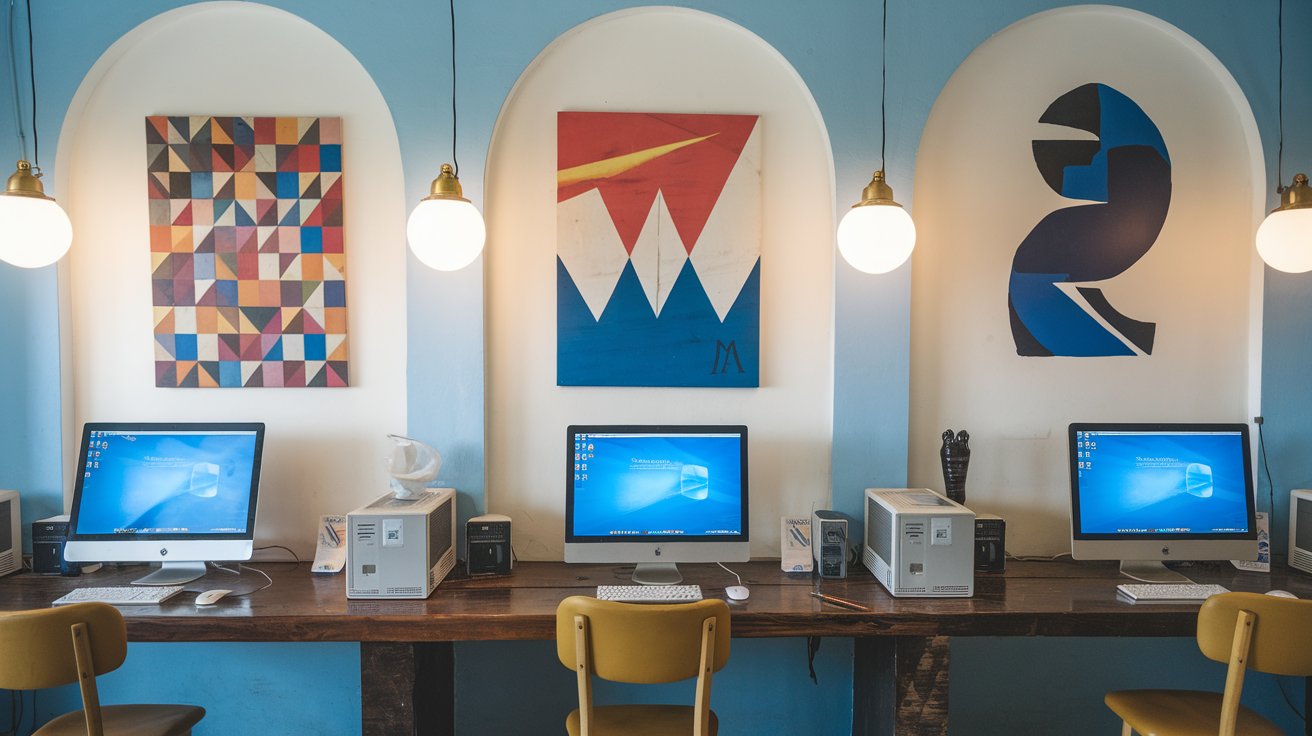
Yes, there is internet in Cuba for both locals and tourists in 2025, though it operates differently than most countries. Cuba’s internet infrastructure is managed by ETECSA, the state telecommunications company, and access requires purchasing NAUTA cards or using hotel WiFi. While internet connectivity has improved significantly since 2018, users still face slower speeds, higher costs, and certain restrictions compared to US standards.
Internet Availability in Cuba 2025: Current Status
Cuba’s internet infrastructure has undergone dramatic improvements since the government began expanding public WiFi access in 2015. As of 2025, internet connectivity is available throughout the island, though access methods and quality vary significantly by location. The Cuban government operates all internet services through ETECSA (Empresa de Telecomunicaciones de Cuba S.A.), which maintains strict control over connectivity and content.
Internet access in Cuba is primarily available through public WiFi hotspots, hotels, private accommodations with government approval, and increasingly through mobile data plans. Unlike the United States where internet is readily available and affordable, Cuban internet requires specific access cards and costs significantly more relative to local wages. The average connection speed ranges from 1-10 Mbps, which is adequate for basic browsing and messaging but challenging for streaming or video calls.
ETECSA and NAUTA: Cuba’s Internet System
ETECSA serves as Cuba’s sole internet service provider, operating under government oversight to manage all telecommunications services. The company provides internet access through NAUTA, their branded service that requires prepaid cards for connectivity. This monopolistic system ensures centralized control over internet usage and content accessibility across the island.
NAUTA cards function as prepaid internet credits, similar to phone cards, but specifically for WiFi access in Cuba. These cards contain unique usernames and passwords that allow users to connect to designated hotspots for predetermined time periods. The system tracks usage precisely, automatically disconnecting users when their purchased time expires or credits are depleted.
How NAUTA Cards Work for Internet Access
NAUTA cards provide temporary internet access through a credit-based system where users purchase specific amounts of connection time. Each card contains a unique username and scratch-off password that grants access to ETECSA WiFi networks. Users must manually connect and disconnect to preserve their purchased time, as the system continues running even during periods of inactivity. Cards are available in denominations of 1 hour ($1 USD), 5 hours ($5 USD), and larger packages for extended use.
Differences Between Tourist and Resident Access
Tourist internet access operates through the same NAUTA system as residents, but tourists typically pay higher rates and have easier access to purchasing cards in hotels and tourist areas. Residents can access government-subsidized internet rates at ETECSA offices and may qualify for monthly data plans through mobile devices. However, both groups face identical content restrictions and speed limitations, with tourists often experiencing better connectivity in hotel zones and tourist-designated areas.
Where to Access Internet in Cuba
Public WiFi hotspots represent the most common internet access points throughout Cuba, typically located in parks, plazas, and outside major hotels. These hotspots are easily identifiable by crowds of people using mobile devices and laptops, often sitting on benches or gathering in specific areas. Major cities like Havana, Santiago de Cuba, and Varadero offer numerous hotspot locations, while rural areas may have limited or no public access points.
Hotels provide the most reliable internet connectivity for tourists, though costs vary significantly between budget accommodations and luxury resorts. Many hotels offer both free limited WiFi in lobbies and paid premium access in rooms. Private casa particulares (licensed home accommodations) increasingly offer WiFi services, though quality and reliability depend on the host’s investment in proper equipment and ETECSA connections.
Public WiFi Hotspots and Parks
Cuba operates over 800 public WiFi hotspots nationwide, concentrated in urban centers and tourist destinations. Popular locations include Havana’s Central Park, Santiago’s Céspedes Park, and beachfront areas in Varadero. These hotspots typically operate from 8 AM to midnight, though hours may vary by location. Users should expect slower speeds during peak evening hours when locals and tourists compete for bandwidth on shared connections.
Hotel and Resort Internet Access
Most Cuban hotels offer WiFi services for guests, ranging from complimentary basic access to premium high-speed packages. Luxury resorts typically provide faster, more reliable connections with better coverage throughout the property. Budget hotels may charge additional fees for internet access or limit free usage to common areas only. International hotel chains generally offer superior connectivity compared to locally-operated establishments, though all connections ultimately route through ETECSA infrastructure.
Purchasing NAUTA Internet Cards
NAUTA cards are available through multiple channels, each with distinct advantages and pricing structures. Official ETECSA offices offer the most reliable source for authentic cards at standard government rates, though lines can be lengthy and locations may be limited in tourist areas. These offices typically operate during business hours and require patience, but guarantee legitimate cards without markup pricing.
Hotels and resorts provide convenient NAUTA card sales for guests, often available 24/7 at front desks or concierge services. However, hotel prices typically include markup fees ranging from 10-50% above official rates, making this the most expensive but most accessible option for tourists. Some hotels bundle internet access with room packages, potentially offering better overall value for extended stays.
Official ETECSA Offices and Outlets
ETECSA maintains offices in every major Cuban city, offering official NAUTA cards at government-set prices. These locations provide authentic cards without risk of fraud or dysfunction, along with customer service for technical issues. Office hours typically run from 8 AM to 5 PM, Monday through Saturday, with reduced Sunday hours in some locations. Tourists should bring identification and be prepared for potential language barriers, as English-speaking staff may be limited.
Hotel and Private Accommodation Sales
Hotels offer the most convenient option for purchasing internet cards in Cuba, with most properties maintaining card inventory for guest convenience. Prices typically range from $1.50-$2.00 per hour compared to the official $1.00 rate, reflecting convenience fees and hotel markup. Private casa particulares may also sell cards, often at competitive rates closer to official pricing. This option works best for travelers prioritizing convenience over cost savings.
Internet Speed and Performance in Cuba
Cuba internet speed averages between 1-10 Mbps for most public connections, significantly slower than US standards where average speeds exceed 100 Mbps. Download speeds typically range from 0.5-5 Mbps, while upload speeds rarely exceed 1 Mbps, making activities like video uploading or large file transfers extremely time-consuming. These speeds are adequate for basic web browsing, email, and text messaging but challenging for streaming video, video calls, or downloading large applications.
Performance varies dramatically by location and time of day, with better internet speeds generally available in major tourist areas and hotels. Peak usage hours (7-11 PM) often result in significantly slower connections as networks become congested. Rural areas and smaller towns may experience even slower speeds or intermittent connectivity, making reliable internet access a significant challenge for travelers venturing outside main tourist circuits.
Internet Restrictions and Censorship in Cuba
Cuba maintains internet restrictions that block access to numerous websites and services commonly used in the United States. Social media platforms like Facebook, Instagram, and Twitter are generally accessible, but many news websites, political opposition sites, and certain streaming services face blocking or restricted access. The government monitors internet usage and can restrict access to specific content deemed inappropriate or threatening to state security.
Blocked sites in Cuba include many international news outlets, political commentary websites, and some US-based services. However, the specific list changes frequently, and some previously blocked sites have become accessible while others face new restrictions. Users should avoid accessing content that could be considered politically sensitive or attempting to circumvent government restrictions, as violations can result in account suspension or legal consequences.
What Websites and Services Are Blocked
Common blocked websites in Cuba include several major news outlets, political opposition platforms, and some international streaming services. YouTube generally works but with slower loading times and occasional restrictions on specific videos. WhatsApp, Telegram, and similar messaging apps typically function normally, though voice and video calling may experience quality issues due to bandwidth limitations. VPN services are technically prohibited, though enforcement varies.
Consequences of Violating Internet Policies
Violating Cuba’s internet policy can result in immediate account suspension, permanent banning from NAUTA services, or legal prosecution in severe cases. The government monitors usage patterns and can detect attempts to access prohibited content or use unauthorized services. Tourists face lower risk than residents but should still exercise caution when accessing potentially sensitive material. Most violations result in warning messages or temporary service suspension rather than serious legal consequences for visitors.
Mobile Internet and Data Plans in Cuba
Mobile data services became available in Cuba in 2018, marking a significant expansion of internet access beyond WiFi hotspots. ETECSA offers prepaid mobile data packages for smartphones, with plans ranging from daily packages (200MB for $0.25) to monthly packages (4GB for $30). These services work with most unlocked international smartphones, though US visitors should verify their device compatibility before travel.
US cell phone carriers typically do not provide roaming services in Cuba due to ongoing trade restrictions and limited infrastructure agreements. T-Mobile and some other carriers offer limited roaming capabilities, but costs are extremely high and service quality remains poor. Most US tourists find purchasing Cuban SIM cards or relying on WiFi hotspots more practical and economical than attempting to use US mobile service.
Cost of Internet Access in Cuba
Internet costs in Cuba are substantially higher than US standards when compared to local wages and purchasing power. Official NAUTA card rates of $1 per hour represent significant expense for Cuban residents earning average monthly salaries of $25-50, but remain relatively affordable for US tourists. Hotel internet charges can reach $2-5 per hour, making extended usage expensive even for international visitors.
Monthly mobile data plans offer better value for extended stays, with 4GB packages costing $30 providing more cost-effective access than hourly WiFi cards for heavy users. However, data speeds and reliability through mobile networks often lag behind dedicated WiFi connections. Tourists planning extended stays should calculate their expected usage to determine whether hourly cards, mobile data plans, or hotel packages offer the best value for their specific needs.
Related video about is there internet in cuba
This video complements the article information with a practical visual demonstration.
Key Questions and Answers
Does Cuba have internet for tourists in 2025?
Yes, Cuba provides internet access for tourists through ETECSA’s NAUTA service, available via WiFi hotspots, hotels, and mobile data plans. Tourists can purchase NAUTA cards for hourly access or mobile data packages for extended connectivity, though speeds and costs differ significantly from US standards.
Will US cell phones work in Cuba?
Most US cell phones will not work in Cuba due to limited roaming agreements and trade restrictions. T-Mobile offers some roaming services but at extremely high costs. Tourists should plan to use WiFi hotspots, purchase Cuban SIM cards, or rely on hotel internet rather than expecting US mobile service to function.
How good is the internet in Cuba compared to the US?
Cuban internet is significantly slower and more expensive than US standards, with speeds typically ranging from 1-10 Mbps compared to US averages exceeding 100 Mbps. While adequate for basic browsing and messaging, Cuban internet struggles with streaming, video calls, and large downloads that US users take for granted.
What happens if you violate internet policy in Cuba?
Violating Cuba’s internet policies can result in immediate account suspension, permanent banning from NAUTA services, or legal prosecution in severe cases. The government monitors usage and restricts access to politically sensitive content. Tourists typically face warnings or temporary suspensions rather than serious legal consequences.
Are there internet restrictions for tourists in Cuba?
Yes, tourists face the same internet restrictions as residents, including blocked access to certain news websites, political opposition sites, and some streaming services. However, popular social media platforms like Facebook and Instagram generally work, and restrictions primarily target politically sensitive content rather than general tourist activities.
How much does internet cost in Cuba for tourists?
Official NAUTA cards cost $1 per hour, though hotels often charge $1.50-$2.00 per hour. Mobile data packages range from $0.25 for 200MB daily plans to $30 for 4GB monthly packages. While affordable for US tourists, these costs represent significant expense relative to Cuban wages and purchasing power.
| Internet Aspect | Cuba Details | Tourist Benefits |
|---|---|---|
| Availability | Available nationwide through ETECSA/NAUTA system | Can stay connected throughout Cuba |
| Access Methods | WiFi hotspots, hotels, mobile data plans | Multiple convenient options available |
| Speed | 1-10 Mbps average connection speeds | Adequate for basic communication needs |
| Cost | $1-2 per hour, $30 monthly mobile plans | Reasonable rates for US tourists |
| Restrictions | Limited access to political/news content | Social media and travel sites accessible |