
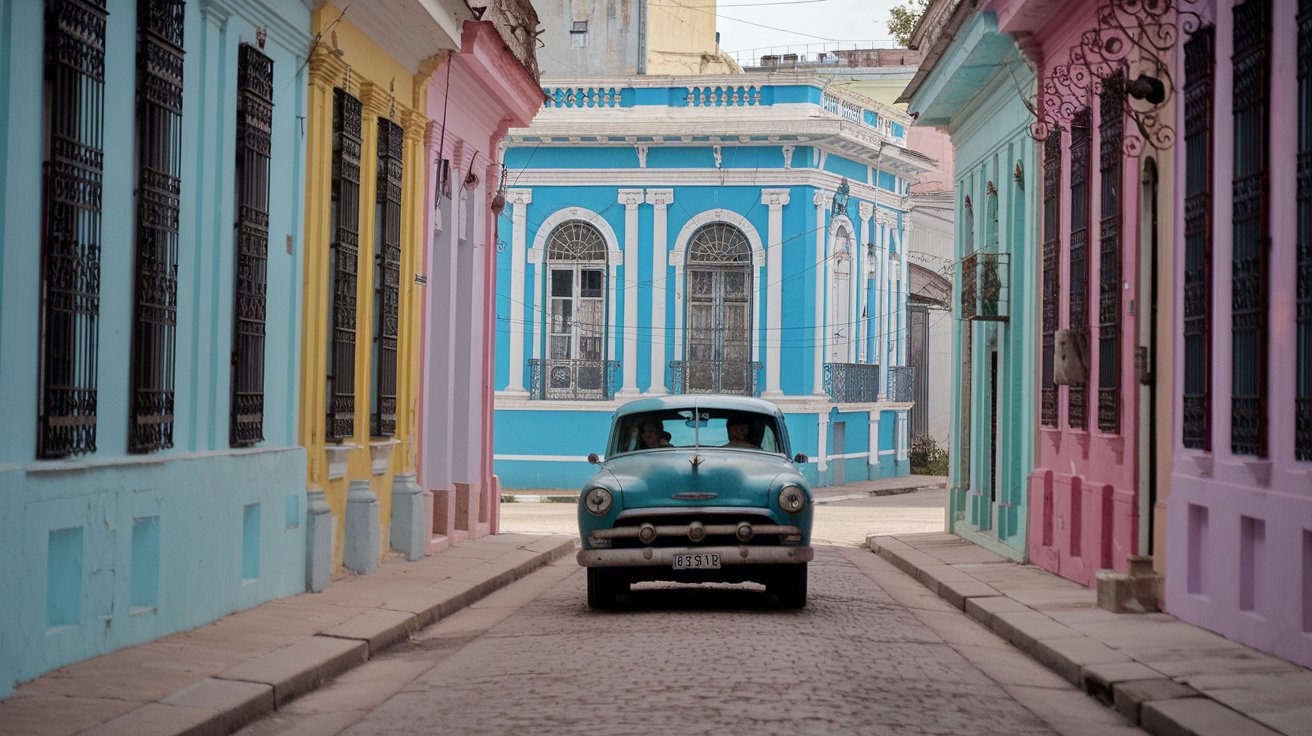
Cuba offers an extraordinary blend of colonial architecture, pristine beaches, vibrant culture, and revolutionary history that makes it one of the Caribbean’s most captivating destinations. From exploring Old Havana’s cobblestone streets to dancing salsa in Santiago de Cuba, this island nation provides countless adventures for US travelers in 2025.
Best Things to Do in Cuba for US Citizens
US citizens can legally visit Cuba through several authorized travel categories, including support for the Cuban people, educational activities, and people-to-people exchanges. The most popular approach involves staying at private casas particulares and dining at paladares (private restaurants), which directly supports Cuban entrepreneurs. This travel method allows Americans to experience authentic Cuban culture while complying with US regulations.
Planning your Cuban adventure requires understanding both countries’ requirements. US travelers must maintain detailed records of their activities and expenditures, while Cuba requires a tourist visa and travel insurance. The island’s dual currency system transitioned to Cuban pesos (CUP) in 2021, simplifying transactions for visitors.
Top Cultural Experiences in Cuba
Immerse yourself in Cuba’s rich cultural heritage by attending live music performances at venues like Buena Vista Social Club or Casa de la Música. Cuban son, salsa, and jazz fill every corner of the island, creating an unforgettable soundtrack to your journey. Art enthusiasts should explore Fusterlandia, José Fuster’s mosaic wonderland in Jaimanitas, and the vibrant street art scene in Havana’s neighborhoods.
Historical Sites and Revolutionary Landmarks
Cuba’s revolutionary history comes alive at the Museum of the Revolution in Havana and Che Guevara’s mausoleum in Santa Clara. Walk through Plaza de la Revolución, where Fidel Castro delivered historic speeches, and visit the Bay of Pigs Museum to understand this pivotal moment in Cuban-American relations. These sites provide essential context for understanding modern Cuba’s political and social landscape.
What to Do in Cuba Havana: Ultimate City Guide
Old Havana (Habana Vieja) stands as Cuba’s crown jewel, featuring four main squares connected by narrow colonial streets. Plaza de Armas showcases the island’s oldest square, while Plaza de la Catedral houses the baroque Havana Cathedral. The restoration efforts have transformed this UNESCO World Heritage site into a living museum where residents continue their daily lives among centuries-old architecture.
Modern Havana extends beyond the historic center, offering experiences like the Malecón seawall perfect for sunset strolls, and Vedado neighborhood’s art deco buildings and trendy restaurants. The iconic Hotel Nacional provides panoramic city views and serves as a testament to Havana’s glamorous pre-revolution era when it hosted celebrities and politicians from around the world.
Havana’s Best Neighborhoods to Explore
Centro Habana offers authentic local life with its bustling markets, while Miramar represents modern Cuba with its embassies and upscale paladares. Each neighborhood tells a different story of Cuban society, from the bohemian artists in San Isidro to the Afro-Cuban traditions preserved in Regla across the bay.
Classic Car Tours and Transportation
Experience Havana’s famous vintage American cars from the 1950s through organized tours or taxi rides. These beautifully maintained classics, born from necessity during the embargo years, now serve as moving museums and provide unique photography opportunities while exploring the city’s diverse districts.
Top 10 Places to Visit in Cuba Beyond Havana
Cuba’s diversity extends far beyond its capital, with each region offering distinct landscapes and cultural experiences. Trinidad, a perfectly preserved colonial town, transports visitors to the 16th century with its cobblestone streets and pastel-colored houses. The nearby Valle de los Ingenios showcases the island’s sugar plantation history and its connection to the slave trade.
Viñales Valley in western Cuba presents dramatic limestone formations called mogotes, surrounded by tobacco farms where the world’s finest cigars begin their journey. This UNESCO Biosphere Reserve offers hiking, cave exploration, and interactions with tobacco farmers who maintain traditional cultivation methods passed down through generations.
Eastern Cuba’s Hidden Gems
Santiago de Cuba, the island’s second-largest city, pulses with Afro-Cuban culture and revolutionary history. Visit the Moncada Barracks where Castro’s revolution began, then experience the city’s legendary music scene. Baracoa, Cuba’s first capital, offers pristine beaches and the country’s most unique cuisine, including the famous chocolate production.
Central Cuba’s Natural Wonders
The Escambray Mountains provide excellent hiking opportunities and waterfalls, while Cienfuegos, known as the ‘Pearl of the South,’ showcases French colonial architecture. These destinations offer cooler climates and stunning natural beauty away from the coastal heat.
Most Beautiful Places in Cuba: Beaches and Nature
Varadero Beach stretches for 20 kilometers along the Hicacos Peninsula, offering white sand and crystal-clear waters that rank among the Caribbean’s finest. While more developed than other Cuban beaches, it provides excellent infrastructure and water sports opportunities. For a more secluded experience, head to Playa Paraíso on Cayo Largo, accessible only by chartered flight or organized tours.
Cuba’s natural beauty extends to its coral reefs and marine life. The Jardines de la Reina marine park, one of the Caribbean’s largest coral reef systems, offers world-class diving and snorkeling. This protected area remains largely untouched, providing glimpses of marine life that has disappeared from other Caribbean destinations due to overfishing and development.
Unique Things to Do in Cuba: Authentic Experiences
Stay in casas particulares (private homestays) to experience authentic Cuban hospitality and daily life. These family-run accommodations offer intimate insights into Cuban culture while supporting local entrepreneurs. Your hosts often provide home-cooked meals featuring traditional recipes passed down through generations, creating memorable culinary experiences unavailable in restaurants.
Learn to dance salsa and rumba from local instructors who teach not just the steps but the cultural significance behind each movement. These dances originated in Cuba’s streets and contain stories of the island’s African, Spanish, and indigenous heritage. Many neighborhoods offer informal dance lessons in parks and community centers where locals gather for evening entertainment.
Cuban Cigar and Rum Experiences
Visit tobacco farms in Pinar del Río to witness the entire cigar-making process, from seed to finished product. Master torcedores (cigar rollers) demonstrate techniques refined over centuries, while explaining how soil, climate, and craftsmanship create Cuba’s legendary cigars. Pair this with rum tastings at distilleries like Havana Club or Santiago de Cuba.
Art and Craft Workshops
Participate in ceramic workshops in Havana’s artist studios or learn traditional Cuban cooking techniques from local chefs. These hands-on experiences provide deeper cultural understanding while creating personal mementos of your journey through Cuba’s creative landscape.
What to Do in Cuba for a Week: Perfect Itinerary
A seven-day Cuba itinerary allows sufficient time to experience the island’s highlights without rushing. Spend your first three days in Havana exploring Old Havana, taking classic car tours, and experiencing the nightlife. Day four should include a day trip to Viñales Valley for tobacco farm visits and mogote hiking. Days five and six can be split between Trinidad’s colonial charm and beach time at nearby Playa Ancón.
Your final day provides flexibility for shopping in Havana’s craft markets or visiting any missed attractions. This week-long itinerary balances cultural immersion, historical education, natural beauty, and relaxation while allowing time for spontaneous discoveries that make Cuban travel so rewarding.
Is Cuba Safe: 2025 Travel Safety Guide
Cuba maintains one of the lowest crime rates in Latin America, with violent crime against tourists being extremely rare. The Cuban government prioritizes tourist safety as a crucial economic factor, resulting in visible police presence in tourist areas and swift responses to any incidents. Petty theft and pickpocketing can occur in crowded areas, but basic precautions prevent most issues.
Health infrastructure in Cuba meets international standards in major cities, though rural areas may have limited facilities. The island’s healthcare system, renowned for its medical education and disease prevention, provides adequate emergency care. Travel insurance remains mandatory for entry and ensures coverage for any medical needs during your visit.
Current Safety Considerations for 2025
Political demonstrations remain uncommon and typically peaceful, though travelers should avoid large gatherings as a precaution. The economic situation creates occasional shortages of goods and services, but doesn’t impact tourist safety. Natural disasters like hurricanes primarily affect Cuba between June and November, making travel timing important for safety and enjoyment.
Health and Medical Preparedness
Bring necessary medications from home, as pharmacy supplies can be inconsistent. Water quality varies by region, so bottled water remains advisable. Cuba’s tropical climate requires sun protection and insect repellent, particularly during rainy season when mosquito-borne illnesses become more prevalent.
Related video about what to do in cuba
This video complements the article information with a practical visual demonstration.
Most asked questions about what to do in cuba
What are the best things to do in Cuba for first-time visitors?
First-time visitors should prioritize exploring Old Havana’s colonial architecture, taking a classic car tour, visiting a tobacco farm in Viñales Valley, and experiencing live Cuban music. These activities provide essential cultural immersion while showcasing Cuba’s unique history, natural beauty, and artistic heritage that defines the island’s character.
Is 7 days enough for Cuba?
Seven days provides sufficient time to experience Cuba’s highlights including Havana, Trinidad, and Viñales Valley. This duration allows for cultural immersion, historical exploration, and beach relaxation without rushing. However, Cuba’s diversity means longer stays reveal deeper cultural layers and hidden gems throughout the island’s diverse regions.
What can US citizens legally do in Cuba in 2025?
US citizens can visit Cuba through authorized travel categories including ‘support for the Cuban people’ by staying in casas particulares and eating at paladares. Educational activities, people-to-people exchanges, and professional meetings are also permitted. Travelers must maintain detailed records of activities and avoid government-owned establishments when possible.
What are the most important do’s and don’ts in Cuba?
Do respect photography restrictions around military installations, tip service workers in CUP currency, and support private businesses. Don’t discuss politics openly, photograph people without permission, or expect consistent internet access. Bring necessary medications and cash, as credit cards have limited acceptance and ATMs may be unreliable.
What makes Cuba’s tourist attractions unique compared to other Caribbean destinations?
Cuba offers authentic colonial architecture in cities like Havana and Trinidad, revolutionary history sites, world-renowned music and dance culture, and vintage American cars from the 1950s. The island’s time-capsule quality, combined with its rich Afro-Cuban heritage and pristine coral reefs, creates experiences unavailable elsewhere in the Caribbean.
How should visitors prepare for Cuba’s current economic situation in 2025?
Bring sufficient cash in euros or Canadian dollars for exchange to Cuban pesos, as US dollars incur additional fees. Pack essential items like toiletries, medications, and electronics since availability varies. Book accommodations and transportation in advance, and prepare for occasional shortages of goods and services while maintaining patience and flexibility.
| Travel Aspect | Key Requirements | Traveler Benefits |
|---|---|---|
| Legal Travel | Support Cuban people category, detailed records | Authentic cultural immersion |
| Accommodation | Casa particular bookings, advance planning | Local family experiences |
| Duration | Minimum 7 days for main highlights | Balanced cultural and nature experiences |
| Safety | Basic precautions, travel insurance | One of Latin America’s safest destinations |
| Currency | Cash in euros/CAD, Cuban pesos only | Simplified transactions since 2021 |